






MSME Export Roadmap: From Local Seller to Global Exporter
For many MSMEs, the journey from selling locally to exporting globally may seem complex. However, with the rise of digital commerce, this transition has become more accessible than ever. Today, small businesses can reach international customers through online marketplaces, social media platforms, and structured export systems—without the need for large overseas infrastructure. Many MSMEs simplify this transition with the help of professional eCommerce management services that support export readiness.
This roadmap outlines the step-by-step process for MSMEs to grow from local sellers into global exporters using modern e-commerce channels.
Step 1: Identify Export-Ready Products
Not every product that sells locally will succeed internationally. The first step is selecting products with global appeal.
What Makes a Product Export-Ready
- Lightweight and easy to ship
- Unique, handcrafted, or culturally distinctive
- Consistent quality and finish
- Competitive pricing even after shipping costs
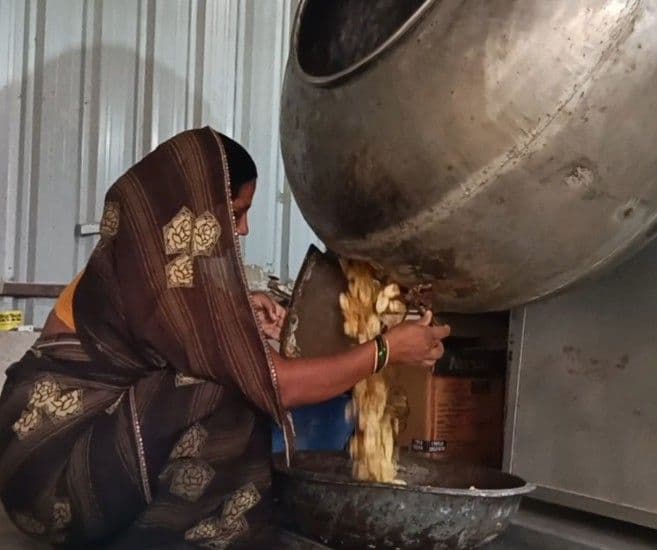
Products such as handicrafts, textiles, fashion accessories, home décor, and lifestyle items often perform well in international markets—especially when guided by structured eCommerce export planning support.
Step 2: Standardize Quality and Packaging
Global buyers expect consistent quality and professional packaging.
Key Actions
- Maintain uniform product specifications
- Use export-suitable packaging to prevent damage
- Ensure packaging reflects brand professionalism
Reliable quality reduces returns and builds long-term customer trust, a key focus area of expert eCommerce management services.
Step 3: Build a Digital Presence
Before entering global markets, MSMEs must establish a digital footprint.
Options for Digital Presence
- Social media profiles for product showcasing
- Listings on global e-commerce marketplaces
- Simple online catalog or website
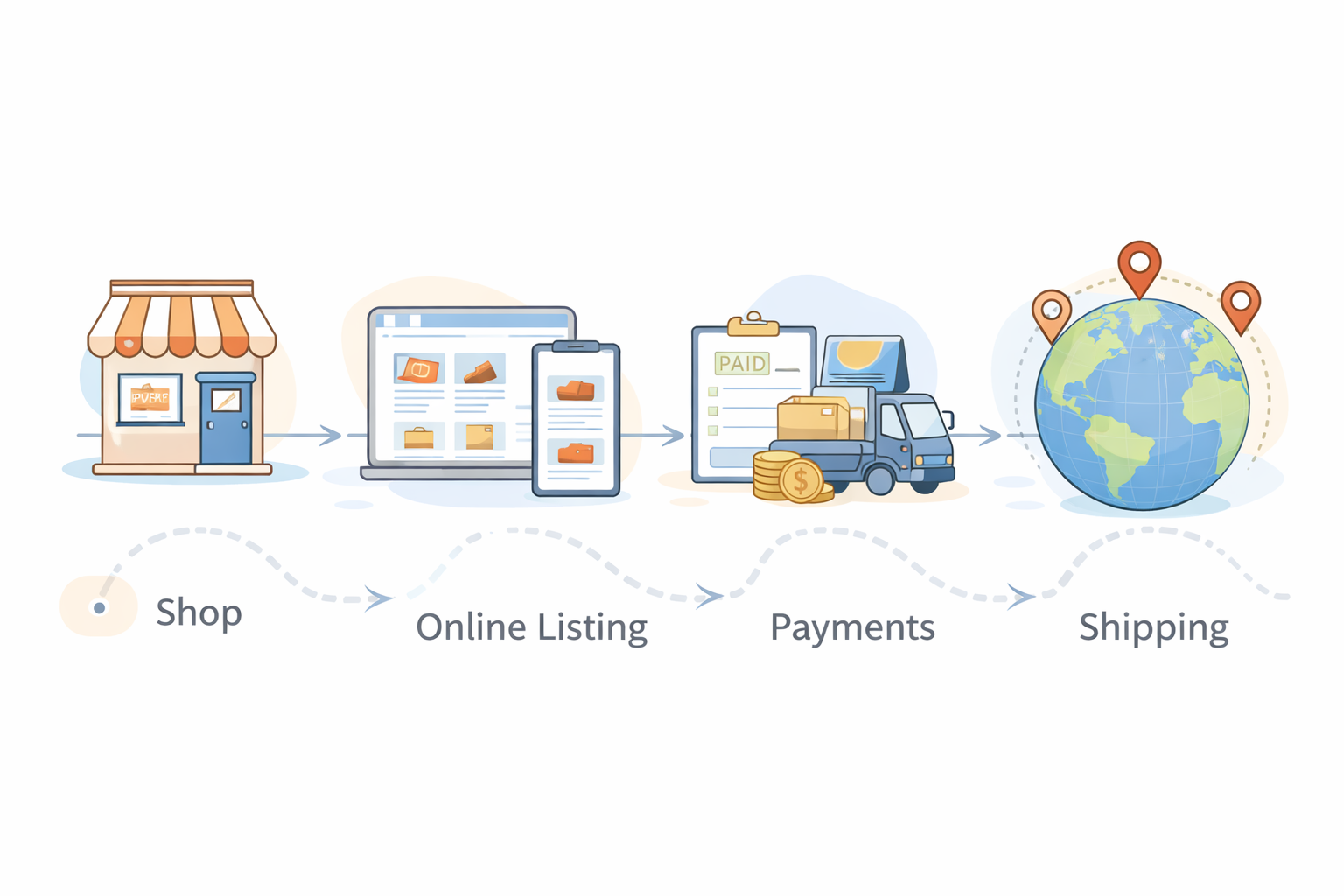
This digital presence acts as a storefront for international customers and is often developed through professional eCommerce marketplace management services.
Step 4: Start with Global Marketplaces
Marketplaces are one of the easiest ways to start exporting.
Why Marketplaces Help
- Access to a ready base of international buyers
- Integrated payment systems
- Standardized order and shipping workflows
They reduce the technical and operational complexity of exporting, especially when supported by end-to-end eCommerce management services.
Step 5: Use Social Media to Generate Demand
Social media complements marketplace selling by creating brand awareness.
How Social Media Supports Exports
- Showcases products through visual content
- Builds direct relationships with global buyers
- Drives traffic to marketplace listings or order channels
Social commerce strategies are often aligned with broader eCommerce growth services.
Step 6: Set Up International Payment Systems
Exporters must ensure they can receive payments from abroad through approved channels.
What MSMEs Should Do
- Link bank accounts to marketplace or payment platforms
- Understand payment settlement timelines
- Keep proper transaction records
Smooth payment handling is essential for maintaining cash flow and compliance—an area covered under professional eCommerce management services.
Step 7: Choose the Right Logistics Route
Shipping is a crucial part of global e-commerce exports.
Common Options
- Postal services for lightweight, cost-sensitive shipments
- Courier services for faster delivery and higher-value products
Choosing the right logistics model becomes easier with structured eCommerce export operations support.
Step 8: Understand Export Documentation and Compliance
Even small e-commerce exports must follow export procedures.
Key Responsibilities
- Accurate shipment declaration
- Timely realization of export proceeds
- Proper record-keeping for transactions
Compliance ensures smooth operations and avoids regulatory issues—often managed with expert eCommerce compliance services.
Step 9: Start Small and Test Markets
Entering global markets does not require large volumes at the beginning.
Smart Approach
- Start with a limited product range
- Target a few countries first
- Monitor demand and customer feedback
Testing helps MSMEs learn without taking excessive risks, a strategy commonly recommended in eCommerce export strategy planning.
Step 10: Improve Listings and Customer Experience
Success in global e-commerce depends heavily on presentation and service.
Areas to Improve
- High-quality product images
- Clear and accurate descriptions
- Prompt communication with buyers
- Transparent delivery timelines
Professional listing optimization is a core part of eCommerce management services.
Step 11: Manage Returns and After-Sales Support
Handling post-sale issues professionally builds trust.
Best Practices
- Communicate return policies clearly
- Provide timely updates on shipments
- Maintain documentation for returns and refunds
Efficient post-sale management improves brand credibility and is supported through structured eCommerce support services.
Step 12: Expand to Multiple Channels
Once exports stabilize, MSMEs can diversify.
Expansion Options
- Add more products
- Sell on multiple marketplaces
- Strengthen social commerce channels
- Explore direct website sales
Channel diversification is often guided by growth-focused eCommerce management services.
Step 13: Monitor Costs and Profitability
As sales grow, cost management becomes critical.
Key Cost Areas
- Platform fees
- Shipping and packaging
- Returns and refunds
- Promotional expenses
Regular cost tracking is a major component of sustainable scaling through eCommerce performance management services.
Step 14: Build a Global Brand Identity
Over time, MSMEs should shift from being just sellers to becoming recognized brands.
Brand-Building Actions
- Consistent visual identity
- Storytelling around products and origin
- Engaging content for global audiences
Brand-building for exports is strengthened with professional eCommerce brand development services.
Conclusion
Becoming a global MSME exporter is no longer limited to large businesses. With digital platforms, structured payment systems, and accessible logistics options, even small sellers can reach international markets. The journey begins with selecting export-ready products and building a digital presence, followed by leveraging marketplaces, social media, and compliant payment and shipping systems.
By starting small, maintaining quality, and gradually expanding channels, MSMEs can transform from local sellers into successful global exporters. With the right roadmap—and support from experienced eCommerce management services—international e-commerce can become a powerful driver of growth and opportunity.
![[object Object]](/_next/image?url=https%3A%2F%2Fcms.msmestory.com%2Fwp-content%2Fuploads%2F2026%2F04%2Fog-6.webp&w=3840&q=75)
![[object Object]](/_next/image?url=https%3A%2F%2Fcms.msmestory.com%2Fwp-content%2Fuploads%2F2026%2F02%2Fog-13.jpg&w=3840&q=75)
![[object Object]](/_next/image?url=https%3A%2F%2Fcms.msmestory.com%2Fwp-content%2Fuploads%2F2026%2F01%2Fsocial-media-for-export-orders-for-MSMEs.png&w=3840&q=75)
![[object Object]](/_next/image?url=https%3A%2F%2Fcms.msmestory.com%2Fwp-content%2Fuploads%2F2026%2F01%2Fcost-breakdown-of-selling-on-e-commerce-platforms.png&w=3840&q=75)
![[object Object]](/_next/image?url=https%3A%2F%2Fcms.msmestory.com%2Fwp-content%2Fuploads%2F2026%2F01%2Fsocial-commerce-exports-for-global-sales.png&w=3840&q=75)
![[object Object]](/_next/image?url=https%3A%2F%2Fcms.msmestory.com%2Fwp-content%2Fuploads%2F2026%2F01%2FHow-MSMEs-Can-Export-Using-Global-Marketplaces-1.png&w=3840&q=75)
![[object Object]](/_next/image?url=https%3A%2F%2Fcms.msmestory.com%2Fwp-content%2Fuploads%2F2026%2F01%2Fwrite-off-rules-for-unrealised-export-proceeds.png&w=3840&q=75)
![[object Object]](/_next/image?url=https%3A%2F%2Fcms.msmestory.com%2Fwp-content%2Fuploads%2F2026%2F01%2FHandling-Returns-And-Rejections-in-Global-E-Commerce.png&w=3840&q=75)
![[object Object]](/_next/image?url=https%3A%2F%2Fcms.msmestory.com%2Fwp-content%2Fuploads%2F2026%2F01%2FIGST-refund-process-for-e-commerce-exports.png&w=3840&q=75)
![[object Object]](/_next/image?url=https%3A%2F%2Fcms.msmestory.com%2Fwp-content%2Fuploads%2F2026%2F01%2FRBI-guidelines-for-export-payments.png&w=3840&q=75)
![[object Object]](/_next/image?url=https%3A%2F%2Fcms.msmestory.com%2Fwp-content%2Fuploads%2F2026%2F01%2Fhow-MSMEs-receive-payments-from-international-e-commerce-sales.png&w=3840&q=75)
![[object Object]](/_next/image?url=https%3A%2F%2Fcms.msmestory.com%2Fwp-content%2Fuploads%2F2026%2F01%2Fhow-to-reduce-logistics-cost-in-cross-border-e-commerce-1.png&w=3840&q=75)
![[object Object]](/_next/image?url=https%3A%2F%2Fcms.msmestory.com%2Fwp-content%2Fuploads%2F2026%2F01%2FPostal-and-courier-export-weight-limits-and-costs.png&w=3840&q=75)
![[object Object]](/_next/image?url=https%3A%2F%2Fcms.msmestory.com%2Fwp-content%2Fuploads%2F2026%2F01%2FDak-Niryat-Kendra.png&w=3840&q=75)
![[object Object]](/_next/image?url=https%3A%2F%2Fcms.msmestory.com%2Fwp-content%2Fuploads%2F2026%2F01%2FIndia-Post-vs-courier-services-for-e-commerce-exports.png&w=3840&q=75)
![[object Object]](/_next/image?url=https%3A%2F%2Fcms.msmestory.com%2Fwp-content%2Fuploads%2F2026%2F01%2FPackaging-Guidelines-for-E-Commerce-Exports-from-India.png&w=3840&q=75)
![[object Object]](/_next/image?url=https%3A%2F%2Fcms.msmestory.com%2Fwp-content%2Fuploads%2F2026%2F01%2FSEO-Friendly-Product-Descriptions-for-International-E-Commerce.png&w=3840&q=75)
![[object Object]](/_next/image?url=https%3A%2F%2Fcms.msmestory.com%2Fwp-content%2Fuploads%2F2026%2F01%2FProduct-Images-and-Descriptions-for-E-Commerce-Exports.png&w=3840&q=75)
![[object Object]](/_next/image?url=https%3A%2F%2Fcms.msmestory.com%2Fwp-content%2Fuploads%2F2026%2F01%2FHigh-converting-product-catalogue-for-global-buyers.png&w=3840&q=75)