






Introducing Farming in Schools
More than 40 years ago, a dedicated educator introduced farming lessons into school curriculums with a clear vision: children should learn firsthand how to grow their own food. This initiative aimed to provide students with a deeper understanding of where their food comes from and the skills needed to cultivate it.
Growing Numbers and Impact
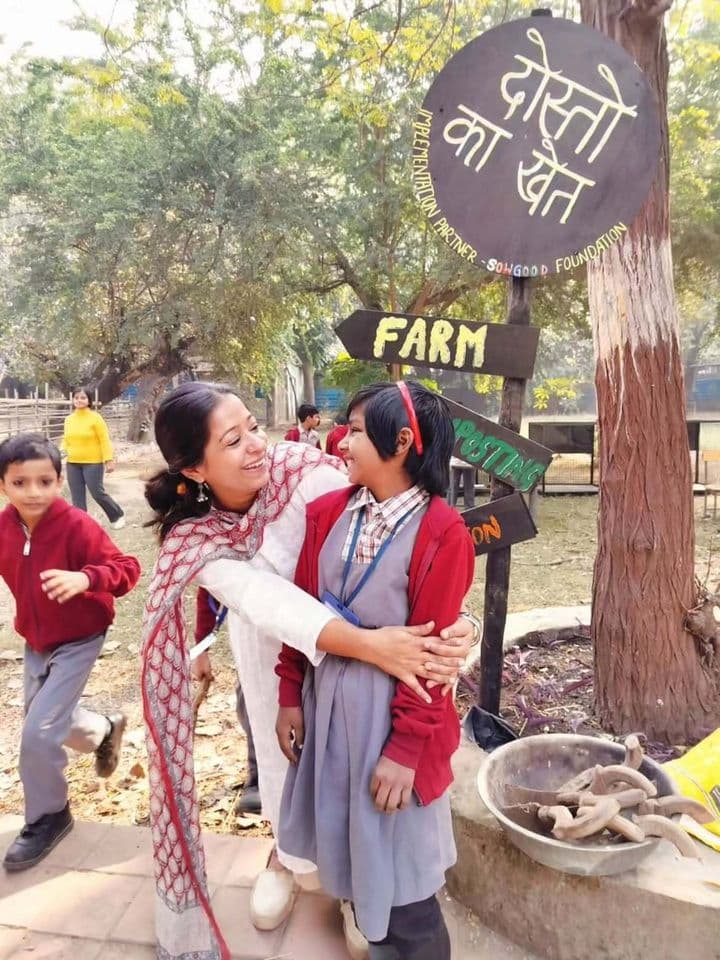
Today, this pioneering concept has expanded significantly. Approximately 78,000 children now participate in farming education programs as part of their school experience. This practical, hands-on approach fosters a strong connection between students and nature while equipping them with valuable life skills.
Learning by Doing
The program extends beyond agricultural techniques; it emphasizes cultivating responsibility, patience, and a sense of achievement. As students nurture fruits and vegetables, they observe the tangible results of their efforts and develop a greater appreciation for healthy eating habits.
Engaging children directly in growing their own food teaches essential life skills and instills an enduring respect for health and the environment.
Supporting Communities and the Environment
In addition to benefiting individual students, school farming initiatives contribute to local food production, enhancing community self-reliance. These programs also promote environmentally sustainable practices such as composting and minimizing chemical use.
Ongoing Growth and Future Plans
The success of this educational farming movement continues to inspire additional schools to adopt such programs. Educators and policymakers are collaborating to broaden its reach, aiming to integrate farming education as a standard element in schools nationwide.
Summary
From the vision of one educator over four decades ago, farming has become an integral part of education for tens of thousands of children. Teaching students to cultivate their own food not only develops vital skills but also supports communities and fosters environmental stewardship. This initiative demonstrates how a straightforward curricular addition can produce lasting positive impacts across generations.