




Introduction
IAS officer Aojasvi Raj’s innovative approach in Ballia revitalized the district’s traditional Sattu industry, creating meaningful economic opportunities for women and local farmers. This case exemplifies how leadership and community collaboration can transform a declining local product into a thriving enterprise with national and international reach.
The Decline of Ballia’s Traditional Sattu Industry
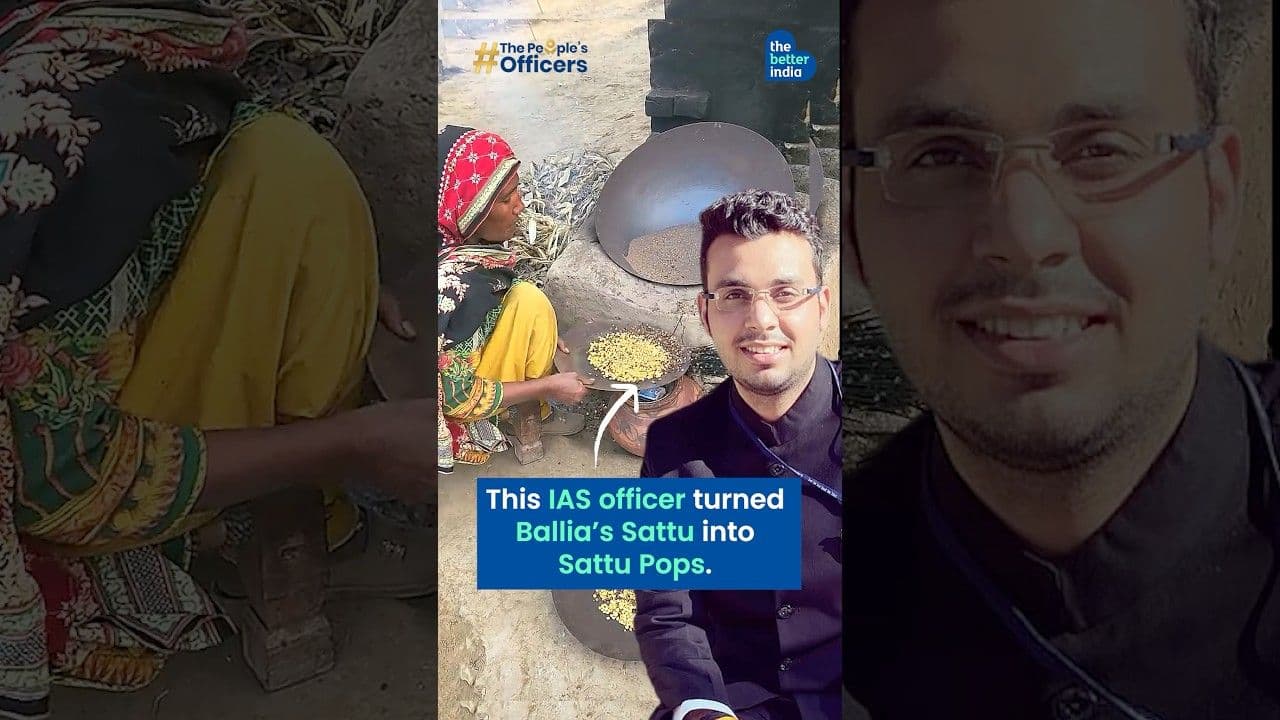
When Aojasvi Raj began his tenure in Ballia, he observed a significant drop in the Sattu business—a local flour made from roasted grains that had once been a staple product of the region. The industry was struggling to keep pace with changing market demands and competition.
Revival Through Women-Led Self Help Groups
To address this challenge, Aojasvi Raj facilitated the formation of over 700 Self Help Groups (SHGs) led by women. These SHGs enabled women to collaborate effectively in producing and marketing Sattu, fostering both entrepreneurship and community empowerment.
“Combining local products with strong community support can revive an economy while simultaneously empowering women.”
Impact on Employment and Agriculture
This initiative created numerous employment opportunities for women in the district. Additionally, the increased production led to higher demand for locally grown crops, directly benefiting farmers and strengthening the agricultural economy.
Expansion Beyond Local Markets
As a result of these efforts, Ballia’s Sattu has transcended its local origins. The product is now available online and has found consumers internationally, inspiring a new wave of entrepreneurship within the region.