









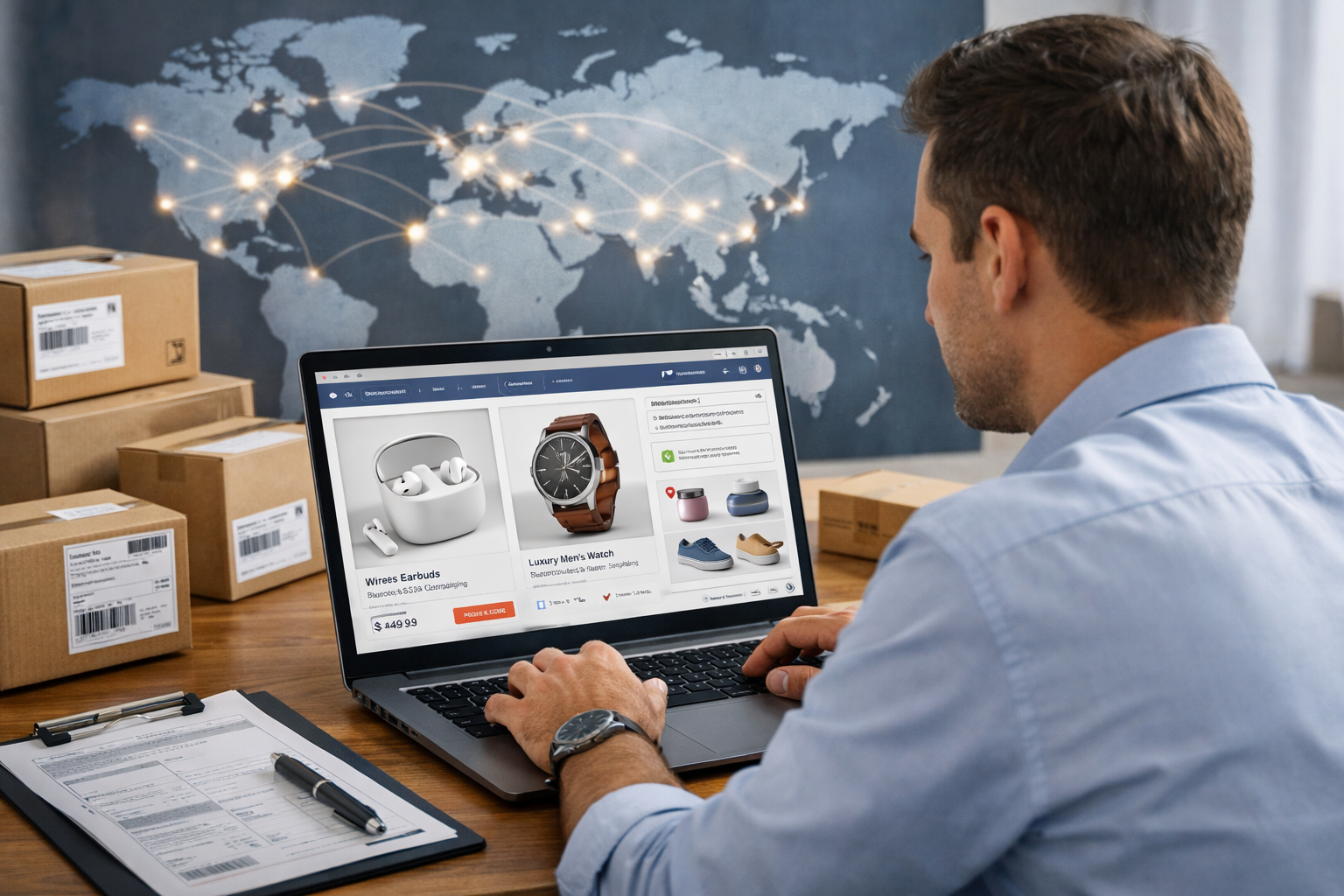
Product Images and Descriptions for E-Commerce Exports: Why They Decide Export Success
In e-commerce exports, buyers make purchasing decisions without ever touching, feeling, or physically examining the product. This makes product images and descriptions the most critical elements of an export listing. Yet, they are also the most commonly underestimated. Even a high-quality product can fail globally if its visuals and descriptions do not communicate value clearly.
Poor images and vague descriptions don’t cause loud failures—they cause silent losses. Low conversions, high bounce rates, and missed opportunities quietly drain export growth. This blog explains why product images and descriptions are essential for global buyers and how exporters can optimize them to drive consistent success, especially when supported by professional eCommerce management services.
Why Images and Descriptions Matter More in Global Exports
Unlike domestic retail, global e-commerce buyers rely entirely on digital information to evaluate a product. There is no showroom, no sales representative, and no physical reassurance—only what they see and read on the screen.
Strong images and well-written descriptions help to:
- Build immediate trust with international buyers
- Clearly communicate product quality and functionality
- Reduce hesitation caused by uncertainty
- Minimize returns, complaints, and negative feedback
Weak presentation, on the other hand, leads to lost sales without obvious errors. Many exporters struggle to identify why sales are low until listings are audited through structured eCommerce marketplace management services.
High-Quality Product Images Drive Buyer Confidence
Images are the first thing buyers notice and often the deciding factor in whether they click “Buy” or scroll away. In global exports, images replace physical inspection entirely.
Best Practices for Product Images
- Use clear, sharp, high-resolution photographs
- Capture products from multiple angles
- Show close-ups to highlight texture, material, and finish
- Maintain accurate color representation
- Use clean, uncluttered backgrounds
Images must answer questions visually—size, usage, finish, and quality should be immediately obvious. Export-focused eCommerce management services often prioritize image optimization because even minor improvements can significantly increase conversion rates.
Descriptions Must Be Clear, Not Creative Guesswork
Many exporters make the mistake of writing overly creative or exaggerated descriptions. Global buyers, however, value clarity over creativity. They want accurate, structured, and honest information.
What Strong Product Descriptions Include
- A simple explanation of what the product is
- Key features and functional benefits
- Specifications such as size, material, weight, or usage
- Care instructions or handling details (where relevant)
- Honest and precise information without ambiguity
Clear descriptions help buyers make confident decisions and reduce post-purchase dissatisfaction. Exporters frequently refine descriptions using data-backed eCommerce export management services to align with global buyer expectations.
SEO-Friendly Yet Buyer-Focused Content
Product descriptions must work for both buyers and search algorithms. A listing that looks good but cannot be found will not sell.
How to Balance SEO and Readability
- Use relevant keywords naturally within descriptions
- Avoid keyword stuffing or forced repetition
- Structure content with short paragraphs and bullet points
- Focus on buyer intent, not just rankings
Consistency Across Listings Builds Brand Trust
Inconsistent product presentation is a hidden trust killer. When images, descriptions, and pricing formats vary widely across listings, buyers perceive the brand as unprofessional.
Areas Where Consistency Is Critical
- Image style, lighting, and background
- Description structure and tone
- Pricing format and currency presentation
- Product naming conventions
Consistency creates a strong brand identity and improves buyer confidence. Many exporters rely on centralized eCommerce marketplace management services to maintain uniformity across multiple platforms and countries.
FAQs Fill the Gaps Buyers Don’t Ask Directly
Global buyers often hesitate without asking questions. FAQs address those silent doubts before they cause drop-offs.
Why FAQs Improve Conversions
- Answer common questions proactively
- Reduce buyer uncertainty
- Lower customer support dependency
- Improve confidence before checkout
Including FAQs strengthens listings and reduces friction in the buying journey, especially for first-time international customers.
Poor Presentation Leads to Hidden Losses
The biggest risk of weak images and descriptions is that exporters often don’t realize the damage being done.
Common Silent Losses Include
- Low conversion rates despite high traffic
- High bounce rates on product pages
- Increased returns due to mismatched expectations
- Negative reviews affecting future sales
These issues quietly erode export performance and profitability. Structured audits through eCommerce management services help identify and fix these gaps before they scale.
Conclusion
Product images and descriptions may seem like small details, but they are silent deal-makers—or deal-breakers—in e-commerce exports. For global buyers, they replace physical inspection, personal interaction, and in-store experience.
Exporters who invest in high-quality visuals, clear descriptions, SEO-friendly structure, and consistent presentation—often supported by professional eCommerce management services—see stronger trust, higher conversions, and sustainable global growth.
In global e-commerce, what buyers see and read is what they believe. Make every image and every word work for your export success.
![[object Object]](/_next/image?url=https%3A%2F%2Fcms.msmestory.com%2Fwp-content%2Fuploads%2F2026%2F04%2Fog-6.webp&w=3840&q=75)
![[object Object]](/_next/image?url=https%3A%2F%2Fcms.msmestory.com%2Fwp-content%2Fuploads%2F2026%2F02%2Fog-13.jpg&w=3840&q=75)
![[object Object]](/_next/image?url=https%3A%2F%2Fcms.msmestory.com%2Fwp-content%2Fuploads%2F2026%2F01%2FMSME-export-roadmap.png&w=3840&q=75)
![[object Object]](/_next/image?url=https%3A%2F%2Fcms.msmestory.com%2Fwp-content%2Fuploads%2F2026%2F01%2Fsocial-media-for-export-orders-for-MSMEs.png&w=3840&q=75)
![[object Object]](/_next/image?url=https%3A%2F%2Fcms.msmestory.com%2Fwp-content%2Fuploads%2F2026%2F01%2Fcost-breakdown-of-selling-on-e-commerce-platforms.png&w=3840&q=75)
![[object Object]](/_next/image?url=https%3A%2F%2Fcms.msmestory.com%2Fwp-content%2Fuploads%2F2026%2F01%2Fsocial-commerce-exports-for-global-sales.png&w=3840&q=75)
![[object Object]](/_next/image?url=https%3A%2F%2Fcms.msmestory.com%2Fwp-content%2Fuploads%2F2026%2F01%2FHow-MSMEs-Can-Export-Using-Global-Marketplaces-1.png&w=3840&q=75)
![[object Object]](/_next/image?url=https%3A%2F%2Fcms.msmestory.com%2Fwp-content%2Fuploads%2F2026%2F01%2Fwrite-off-rules-for-unrealised-export-proceeds.png&w=3840&q=75)
![[object Object]](/_next/image?url=https%3A%2F%2Fcms.msmestory.com%2Fwp-content%2Fuploads%2F2026%2F01%2FHandling-Returns-And-Rejections-in-Global-E-Commerce.png&w=3840&q=75)
![[object Object]](/_next/image?url=https%3A%2F%2Fcms.msmestory.com%2Fwp-content%2Fuploads%2F2026%2F01%2FIGST-refund-process-for-e-commerce-exports.png&w=3840&q=75)
![[object Object]](/_next/image?url=https%3A%2F%2Fcms.msmestory.com%2Fwp-content%2Fuploads%2F2026%2F01%2FRBI-guidelines-for-export-payments.png&w=3840&q=75)
![[object Object]](/_next/image?url=https%3A%2F%2Fcms.msmestory.com%2Fwp-content%2Fuploads%2F2026%2F01%2Fhow-MSMEs-receive-payments-from-international-e-commerce-sales.png&w=3840&q=75)
![[object Object]](/_next/image?url=https%3A%2F%2Fcms.msmestory.com%2Fwp-content%2Fuploads%2F2026%2F01%2Fhow-to-reduce-logistics-cost-in-cross-border-e-commerce-1.png&w=3840&q=75)
![[object Object]](/_next/image?url=https%3A%2F%2Fcms.msmestory.com%2Fwp-content%2Fuploads%2F2026%2F01%2FPostal-and-courier-export-weight-limits-and-costs.png&w=3840&q=75)
![[object Object]](/_next/image?url=https%3A%2F%2Fcms.msmestory.com%2Fwp-content%2Fuploads%2F2026%2F01%2FDak-Niryat-Kendra.png&w=3840&q=75)
![[object Object]](/_next/image?url=https%3A%2F%2Fcms.msmestory.com%2Fwp-content%2Fuploads%2F2026%2F01%2FIndia-Post-vs-courier-services-for-e-commerce-exports.png&w=3840&q=75)
![[object Object]](/_next/image?url=https%3A%2F%2Fcms.msmestory.com%2Fwp-content%2Fuploads%2F2026%2F01%2FPackaging-Guidelines-for-E-Commerce-Exports-from-India.png&w=3840&q=75)
![[object Object]](/_next/image?url=https%3A%2F%2Fcms.msmestory.com%2Fwp-content%2Fuploads%2F2026%2F01%2FSEO-Friendly-Product-Descriptions-for-International-E-Commerce.png&w=3840&q=75)
![[object Object]](/_next/image?url=https%3A%2F%2Fcms.msmestory.com%2Fwp-content%2Fuploads%2F2026%2F01%2FHigh-converting-product-catalogue-for-global-buyers.png&w=3840&q=75)