









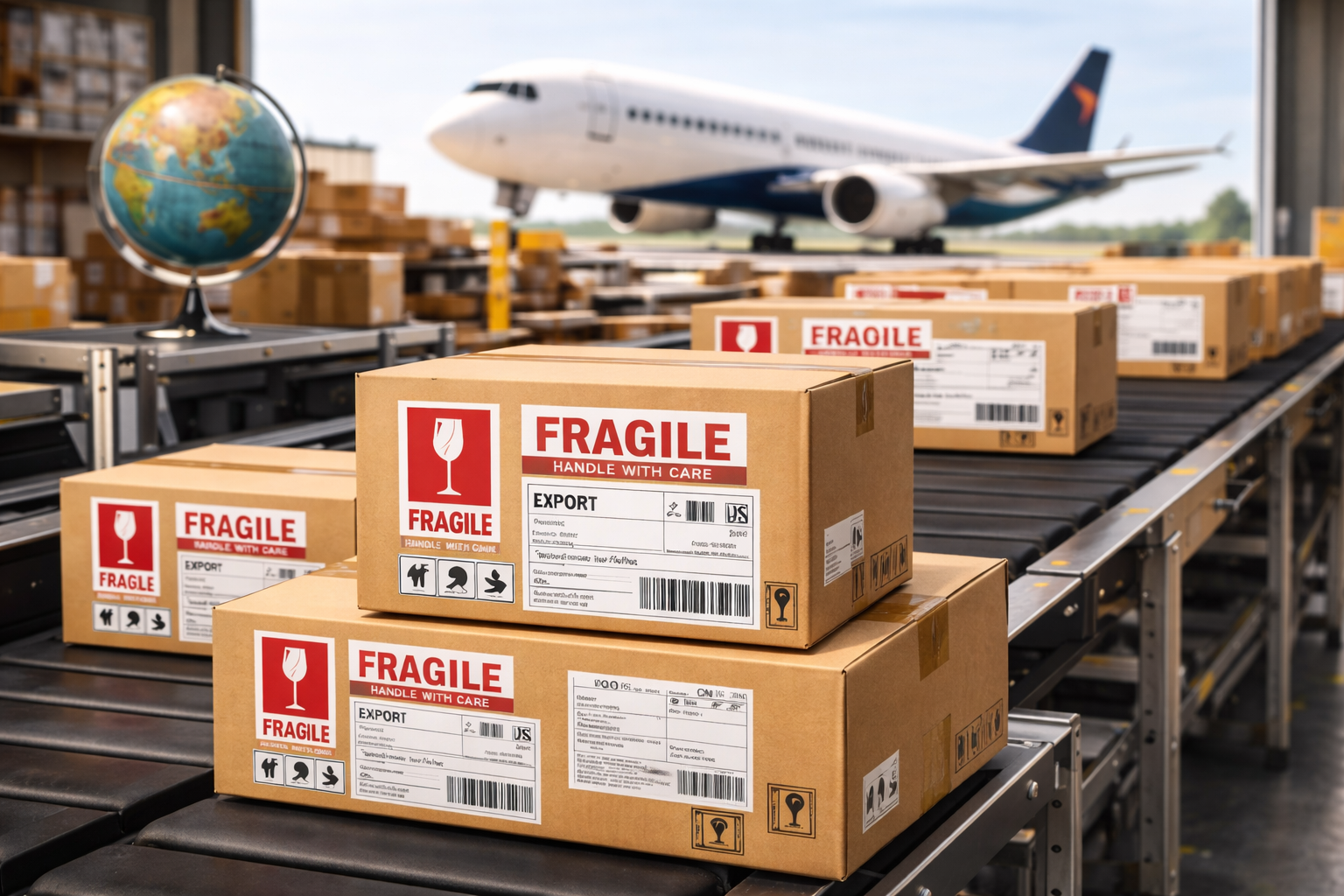
Packaging Guidelines for E-Commerce Exports from India
Packaging is one of the most critical yet overlooked aspects of e-commerce exports. In cross-border trade, products travel long distances, pass through multiple handling points, and face changes in climate, pressure, and transport modes. Poor packaging can lead to damaged goods, shipment rejection, returns, or customer dissatisfaction—even when the product itself is of high quality.
For Indian exporters, especially MSMEs, following proper packaging guidelines is essential to ensure smooth customs clearance, safe delivery, and a positive buyer experience. Many exporters rely on professional eCommerce management services to align packaging with international shipping standards.
Why Packaging Matters in E-Commerce Exports
Unlike domestic shipments, international e-commerce parcels are exposed to repeated handling and longer transit times. Packaging must protect the product not only during transportation but also during storage, customs inspection, and last-mile delivery.
Effective export packaging helps to:
- Prevent physical damage during transit
- Protect goods from tampering
- Safeguard products against climate and pressure changes
- Ensure safety for handlers and postal officials
- Reduce returns, losses, and customer complaints
Strong packaging directly contributes to export reliability and brand reputation—an area often addressed through end-to-end eCommerce management services.
General Packaging Requirements for Export Shipments
Every export parcel must be packed with careful consideration of the product’s nature and journey.
Key Packaging Principles
- Packaging must match the weight and nature of the contents
- It should withstand repeated handling
- The product must remain protected throughout the entire journey
- Packaging should not endanger the health or safety of anyone handling the parcel
Exporters must ensure that packaging is strong, secure, and appropriate for international shipment, especially when shipping via courier or postal routes.
Protection Against Damage and Tampering
One of the primary objectives of export packaging is to protect the contents from damage and unauthorized access.
Best Practices
- Use durable outer packaging that does not tear or collapse easily
- Seal packages in a way that makes tampering clearly visible
- Ensure the product cannot move freely inside the package
- Add cushioning material where required
These practices are critical for avoiding customs issues and delivery disputes—areas where eCommerce export management services help exporters reduce operational risk.
Climate and Environmental Protection
International shipments often pass through different climatic zones and transport conditions.
Environmental Risks to Consider
- Temperature variations
- Changes in atmospheric pressure
- Humidity and moisture
- Long storage periods
Packaging must protect products from these environmental changes to prevent warping, leakage, or spoilage.
Space for Labels, Instructions, and Stamps
Proper labeling is essential for international shipments.
Packaging Must Allow Space For
- Shipping labels
- Customs documentation
- Handling instructions
- Barcodes and tracking labels
Poorly designed packaging that lacks labeling space can delay customs clearance and disrupt delivery timelines.
Special Packaging Requirements for Certain Products
Some products require additional care and specialized packaging.
Examples
- Fragile items such as glass or ceramics
- Liquids, ointments, or semi-liquid products
- Precious metals or high-value items
- Products sensitive to pressure or temperature
Such products benefit from compliance-focused packaging strategies, often planned through MSME export planning, registration & compliance support.
Importance of Proper Packaging for Postal and Courier Exports
E-commerce exports from India are commonly shipped through postal or courier routes.
Why Standardized Packaging Is Important
- Compatibility with automated sorting systems
- Reduced risk of damage during transit
- Faster customs clearance
- Improved tracking accuracy
Well-packaged shipments move faster and face fewer operational issues across borders.
Enhancing the Unboxing Experience
While compliance and protection are essential, packaging also plays a role in customer satisfaction.
Benefits
- Creates a positive first impression
- Enhances brand perception
- Encourages repeat purchases
- Improves customer reviews
Exporters who combine safe packaging with presentation often see better long-term results, especially in direct-to-consumer exports.
Conclusion
Packaging is a foundational requirement for successful e-commerce exports from India. It protects products, ensures safety, supports customs processes, and directly impacts customer satisfaction.
By following proper packaging guidelines—focused on protection, safety, compliance, and presentation—Indian exporters can minimize risks, improve delivery outcomes, and build long-term trust with global buyers.
Strong packaging, supported by expert eCommerce management services, is not an expense—it is an investment in export success.
![[object Object]](/_next/image?url=https%3A%2F%2Fcms.msmestory.com%2Fwp-content%2Fuploads%2F2026%2F04%2Fog-6.webp&w=3840&q=75)
![[object Object]](/_next/image?url=https%3A%2F%2Fcms.msmestory.com%2Fwp-content%2Fuploads%2F2026%2F02%2Fog-13.jpg&w=3840&q=75)
![[object Object]](/_next/image?url=https%3A%2F%2Fcms.msmestory.com%2Fwp-content%2Fuploads%2F2026%2F01%2FMSME-export-roadmap.png&w=3840&q=75)
![[object Object]](/_next/image?url=https%3A%2F%2Fcms.msmestory.com%2Fwp-content%2Fuploads%2F2026%2F01%2Fsocial-media-for-export-orders-for-MSMEs.png&w=3840&q=75)
![[object Object]](/_next/image?url=https%3A%2F%2Fcms.msmestory.com%2Fwp-content%2Fuploads%2F2026%2F01%2Fcost-breakdown-of-selling-on-e-commerce-platforms.png&w=3840&q=75)
![[object Object]](/_next/image?url=https%3A%2F%2Fcms.msmestory.com%2Fwp-content%2Fuploads%2F2026%2F01%2Fsocial-commerce-exports-for-global-sales.png&w=3840&q=75)
![[object Object]](/_next/image?url=https%3A%2F%2Fcms.msmestory.com%2Fwp-content%2Fuploads%2F2026%2F01%2FHow-MSMEs-Can-Export-Using-Global-Marketplaces-1.png&w=3840&q=75)
![[object Object]](/_next/image?url=https%3A%2F%2Fcms.msmestory.com%2Fwp-content%2Fuploads%2F2026%2F01%2Fwrite-off-rules-for-unrealised-export-proceeds.png&w=3840&q=75)
![[object Object]](/_next/image?url=https%3A%2F%2Fcms.msmestory.com%2Fwp-content%2Fuploads%2F2026%2F01%2FHandling-Returns-And-Rejections-in-Global-E-Commerce.png&w=3840&q=75)
![[object Object]](/_next/image?url=https%3A%2F%2Fcms.msmestory.com%2Fwp-content%2Fuploads%2F2026%2F01%2FIGST-refund-process-for-e-commerce-exports.png&w=3840&q=75)
![[object Object]](/_next/image?url=https%3A%2F%2Fcms.msmestory.com%2Fwp-content%2Fuploads%2F2026%2F01%2FRBI-guidelines-for-export-payments.png&w=3840&q=75)
![[object Object]](/_next/image?url=https%3A%2F%2Fcms.msmestory.com%2Fwp-content%2Fuploads%2F2026%2F01%2Fhow-MSMEs-receive-payments-from-international-e-commerce-sales.png&w=3840&q=75)
![[object Object]](/_next/image?url=https%3A%2F%2Fcms.msmestory.com%2Fwp-content%2Fuploads%2F2026%2F01%2Fhow-to-reduce-logistics-cost-in-cross-border-e-commerce-1.png&w=3840&q=75)
![[object Object]](/_next/image?url=https%3A%2F%2Fcms.msmestory.com%2Fwp-content%2Fuploads%2F2026%2F01%2FPostal-and-courier-export-weight-limits-and-costs.png&w=3840&q=75)
![[object Object]](/_next/image?url=https%3A%2F%2Fcms.msmestory.com%2Fwp-content%2Fuploads%2F2026%2F01%2FDak-Niryat-Kendra.png&w=3840&q=75)
![[object Object]](/_next/image?url=https%3A%2F%2Fcms.msmestory.com%2Fwp-content%2Fuploads%2F2026%2F01%2FIndia-Post-vs-courier-services-for-e-commerce-exports.png&w=3840&q=75)
![[object Object]](/_next/image?url=https%3A%2F%2Fcms.msmestory.com%2Fwp-content%2Fuploads%2F2026%2F01%2FSEO-Friendly-Product-Descriptions-for-International-E-Commerce.png&w=3840&q=75)
![[object Object]](/_next/image?url=https%3A%2F%2Fcms.msmestory.com%2Fwp-content%2Fuploads%2F2026%2F01%2FProduct-Images-and-Descriptions-for-E-Commerce-Exports.png&w=3840&q=75)
![[object Object]](/_next/image?url=https%3A%2F%2Fcms.msmestory.com%2Fwp-content%2Fuploads%2F2026%2F01%2FHigh-converting-product-catalogue-for-global-buyers.png&w=3840&q=75)