


Piyush Goyal Urges Exporters to Capitalize on Free Trade Agreements
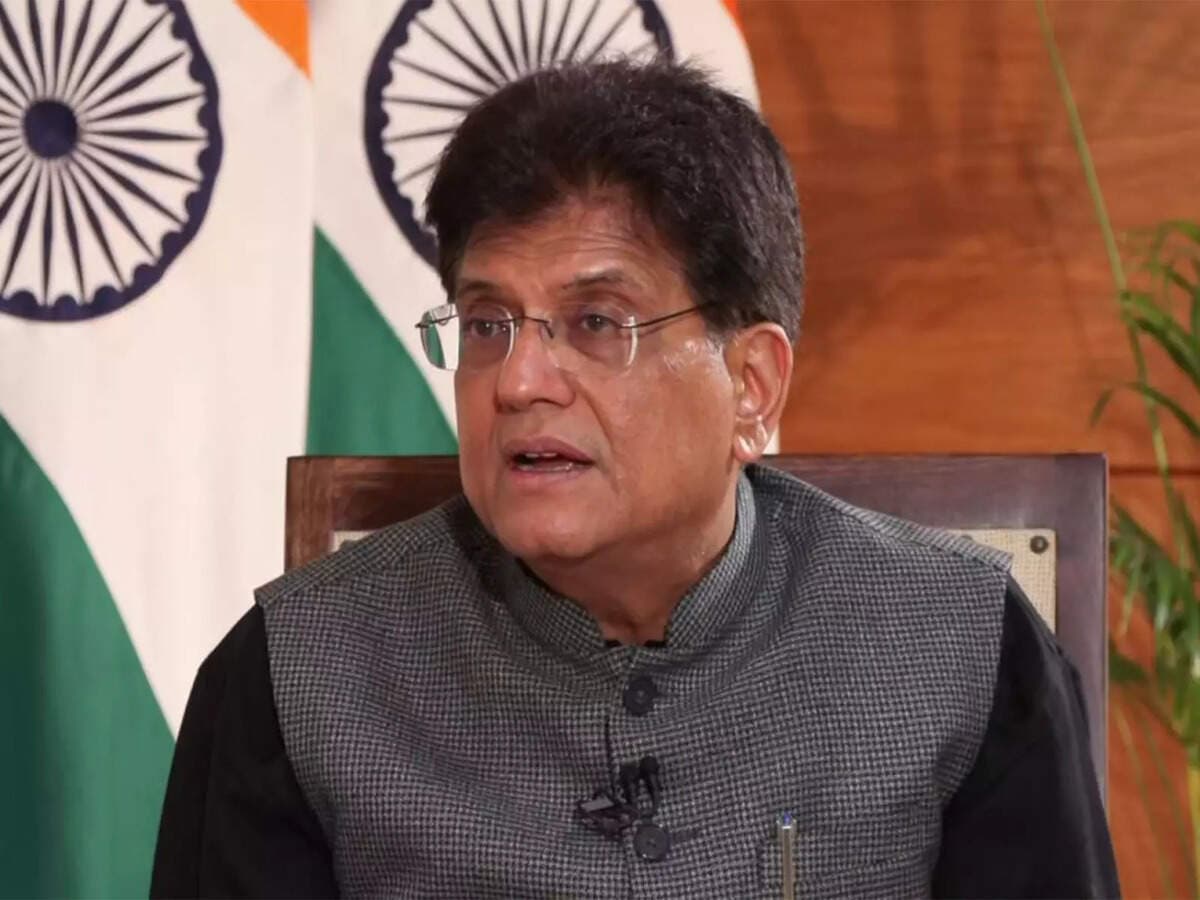
India’s Commerce and Industry Minister, Piyush Goyal, has encouraged exporters and industry organizations to fully utilize the free trade agreements (FTAs) that India has recently signed with developed nations. He highlighted these FTAs as opportunities to enhance job creation and increase exports of goods and services.
Meeting with Export Promotion Councils and Industry Associations
During a meeting with major export promotion councils and industry associations—representing key export sectors—the minister discussed India’s significant trade agreements with the European Union and the United States. The discussion also touched on concerns related to the US-Bangladesh trade pact and its potential implications for India’s textile sector.
Impact of Tariff Reductions on Various Sectors
Past challenges faced by sectors such as gems, jewellery, textiles, apparel, carpets, leather, footwear, marine products, handicrafts, engineering goods, and chemicals due to high US tariffs have been alleviated following recent tariff reductions.
These changes have improved business confidence and helped preserve jobs, particularly in labor-intensive industries.
Minister’s Call to Action for Exporters
Minister Goyal urged industry participants to intensify efforts to enter new markets, improve product quality, and enhance competitiveness to maximize benefits from these trade agreements.
Officials from the Commerce Ministry presented details about the interim trade agreement with the US, outlining opportunities for market access, compliance requirements, and growth strategies for exports.
Concerns Over US-Bangladesh Reciprocal Trade Agreement
Industry members expressed concerns over the US-Bangladesh reciprocal trade agreement, which permits tariff-free exports of apparel and textiles to the US if manufacturers use cotton or man-made fibres produced in the US.
This agreement reduces US tariffs on Bangladesh from 20% to 19%, narrowing the tariff gap between Bangladesh and India to just 1%. Bangladesh, the world’s second-largest garment producer, is a major competitor to India in the US textile and apparel market alongside China and Vietnam.
Stakeholders worry that the pact could adversely affect India’s competitiveness and harm its cotton yarn exports to Bangladesh, as the agreement encourages sourcing raw materials from the US. Textile industry representatives have requested similar concessions from the US in India’s trade negotiations. Officials indicated that these issues are actively being discussed.
Some industry observers noted that the operational details of the US-Bangladesh pact, including monitoring cotton content, compliance costs, and notification processes, are yet to be finalized and will determine its impact.
Trade Figures and Market Dynamics
Bangladesh’s annual apparel and textile exports to the US total approximately $44 billion, with the US market accounting for roughly 20% of that figure.
However, Bangladesh also requires raw materials for exports to the EU market, and increasing imports from the US could pose challenges for India.
Government Stance and Future Outlook
The government continues to evaluate these developments while encouraging Indian exporters to leverage existing trade agreements for expanding their global reach.
Key Takeaways
- Minister Piyush Goyal emphasizes the importance of leveraging recently signed free trade agreements with developed nations.
- Recent tariff reductions have bolstered confidence and preserved jobs across multiple export sectors.
- Concerns remain regarding the US-Bangladesh trade pact’s potential impact on India’s textile competitiveness.
- Operational details of the US-Bangladesh agreement are pending and will influence future market dynamics.
- The government encourages exporters to improve product quality and pursue new markets to maximize trade agreement benefits.
![[object Object]](/_next/image?url=https%3A%2F%2Fcms.msmestory.com%2Fwp-content%2Fuploads%2F2026%2F04%2Fog-6.webp&w=3840&q=75)
![[object Object]](/_next/image?url=https%3A%2F%2Fcms.msmestory.com%2Fwp-content%2Fuploads%2F2026%2F01%2FMSME-export-roadmap.png&w=3840&q=75)
![[object Object]](/_next/image?url=https%3A%2F%2Fcms.msmestory.com%2Fwp-content%2Fuploads%2F2026%2F01%2Fsocial-media-for-export-orders-for-MSMEs.png&w=3840&q=75)
![[object Object]](/_next/image?url=https%3A%2F%2Fcms.msmestory.com%2Fwp-content%2Fuploads%2F2026%2F01%2Fcost-breakdown-of-selling-on-e-commerce-platforms.png&w=3840&q=75)