


Traditional Indian folk art holds immense cultural value but has long struggled to find a place in everyday life and commerce. Folkstroke, a women-led artisanal startup based in Raipur, is bridging this gap by innovating craft production methods and creating market opportunities for hundreds of artisans across India. Their approach blends tradition with modern design, ensuring sustainable livelihoods while preserving heritage crafts.
Background: Crossing Cultural and Career Boundaries
Santu Tekam, a Gond tribal artist from Patangarh in Madhya Pradesh, once relied on seasonal, irregular income from his craft. Like many artisans, his earnings were disrupted during the monsoon and stalled entirely amid the COVID-19 pandemic. His association with Folkstroke transformed his fortunes, providing steady work and enhanced earnings.
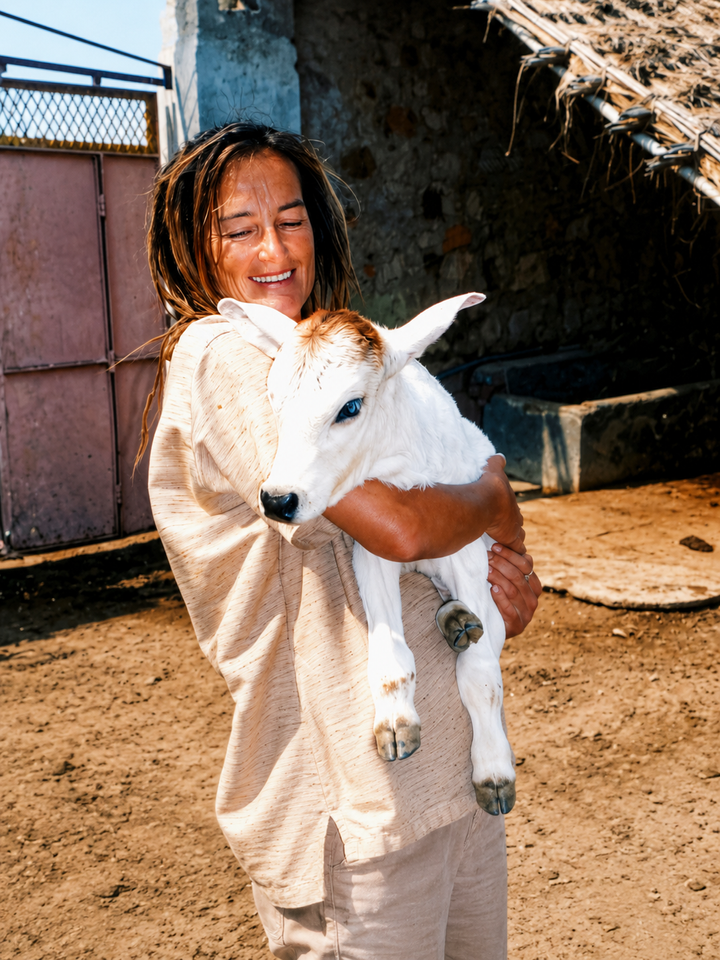
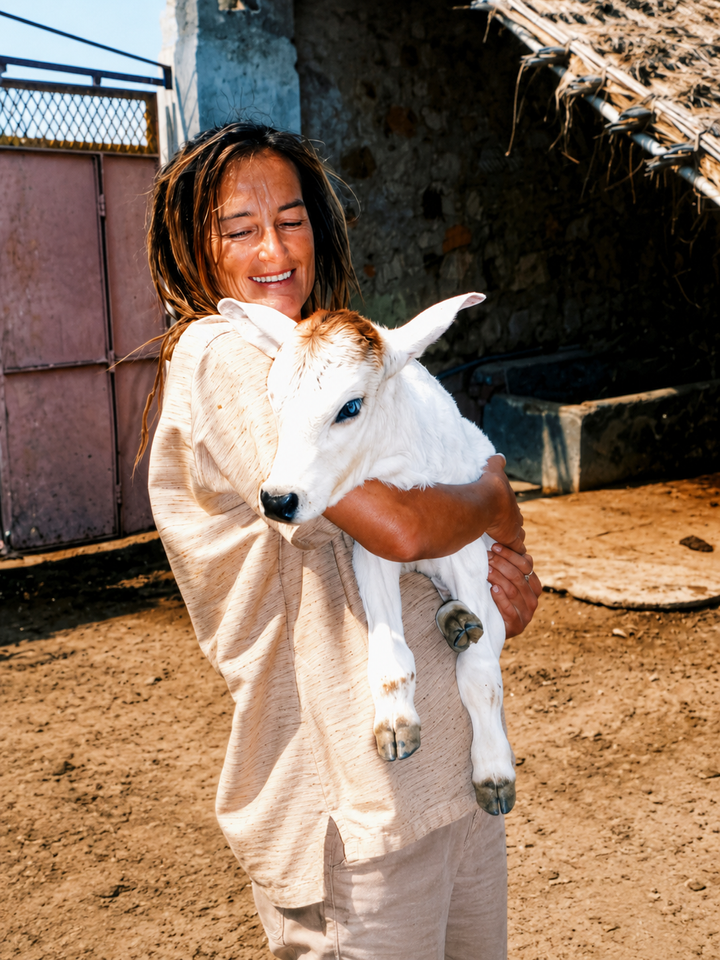
Shambhavi Pandey, the founder of Folkstroke, draws on her diverse cultural experiences across India and her corporate career in human resources to lead this initiative. Dissatisfied with corporate roles, she sought purpose-led work that could empower traditional artisans while adapting folk art for contemporary markets.
The Challenge: Traditional Art Outside Everyday Use
Despite the ubiquity and skill involved in Indian folk art, it predominantly remains confined to galleries and occasional fairs. Shambhavi identified a critical need to modernize folk art products to suit contemporary tastes, making them both appealing and functional for daily life.
“Traditional Indian folk art needs to be updated for modern tastes to regain its appeal,” Shambhavi explains, underscoring Folkstroke’s mission to blend cultural heritage with contemporary aesthetics.
Innovating Product Design and Artisan Engagement
Folkstroke offers a diverse product range—from animal head wall mounts and folding side tables to hand-painted calendars and corporate gifts—all handcrafted using traditional techniques such as Gond, Warli, and Tholu Bommalata styles. Products are primarily wooden, with some incorporating hand-cast iron and metalwork from various Indian regions.
Working with over 200 artisans across seven states and emphasizing women’s participation, Folkstroke has expanded artisan incomes by about 30% over six years by ensuring fair wages and continuous work.
Streamlining Production Through Collaborative Art Forms
Folkstroke revolutionized craft production by integrating multiple art forms into single products. This simultaneous multi-cluster approach reduces dependency on individual artisans and cuts production times by approximately 60%, creating a sustainable workflow that benefits a broader artisan base.
Impact on Artisan Livelihoods
Santu Tekam’s experience exemplifies this impact, with stable year-round income replacing previous seasonal uncertainty. Similarly, Folkstroke revived the nearly lost craft of Tholu Bommalata through collaboration with artist Shiva Shinde, supporting him to rebuild his craft business from a rural farm laborer to a practicing artisan.
Scaling Through B2B Partnerships and Export Growth
Approximately 80% of Folkstroke’s revenue now stems from business-to-business orders with major companies like TCS and SAP Labs. The brand’s largest order involved supplying 2,500 handcrafted gifts to BharathCloud, showcasing tribal arts from across India in corporate gifting.
Folkstroke exports products to countries including Malaysia, the UK, the US, and Australia, steadily growing its international footprint.
Empowering Women and Supporting Financial Independence
Folkstroke’s Raipur operations team comprises exclusively women, managing product finishing and ensuring direct, bank-mediated payments to artisans. This empowerment fosters financial independence and creates a supportive workplace sensitive to women’s unique challenges.
Recognition and Future Outlook
Founder Shambhavi Pandey has earned multiple accolades, including the National Women Recognition Award for Entrepreneurship. Pursuing a PhD in entrepreneurial leadership, she plans to expand Folkstroke’s exports and B2B offerings and integrate digital technology into crafts to engage younger consumers.
Conclusion
Folkstroke’s model highlights a meaningful measure of success: enabling artisans like Santu Tekam and Shiva Shinde to sustain their traditional crafts. By innovating production, fostering markets, and prioritizing artisans’ welfare, the Raipur startup is preserving Indian heritage while creating tangible economic benefits.