

Introduction
Innovations in simple technologies can dramatically improve daily life, especially in communities facing hardship. The Divya washing machine, developed by engineer Navjot Sawhney, offers a transformative solution by drastically reducing water usage and physical strain related to washing clothes. This article explores how this low-cost, flat-pack washing machine is changing the lives of women across the globe, particularly in displaced and remote communities.
Origin of the Divya Washing Machine
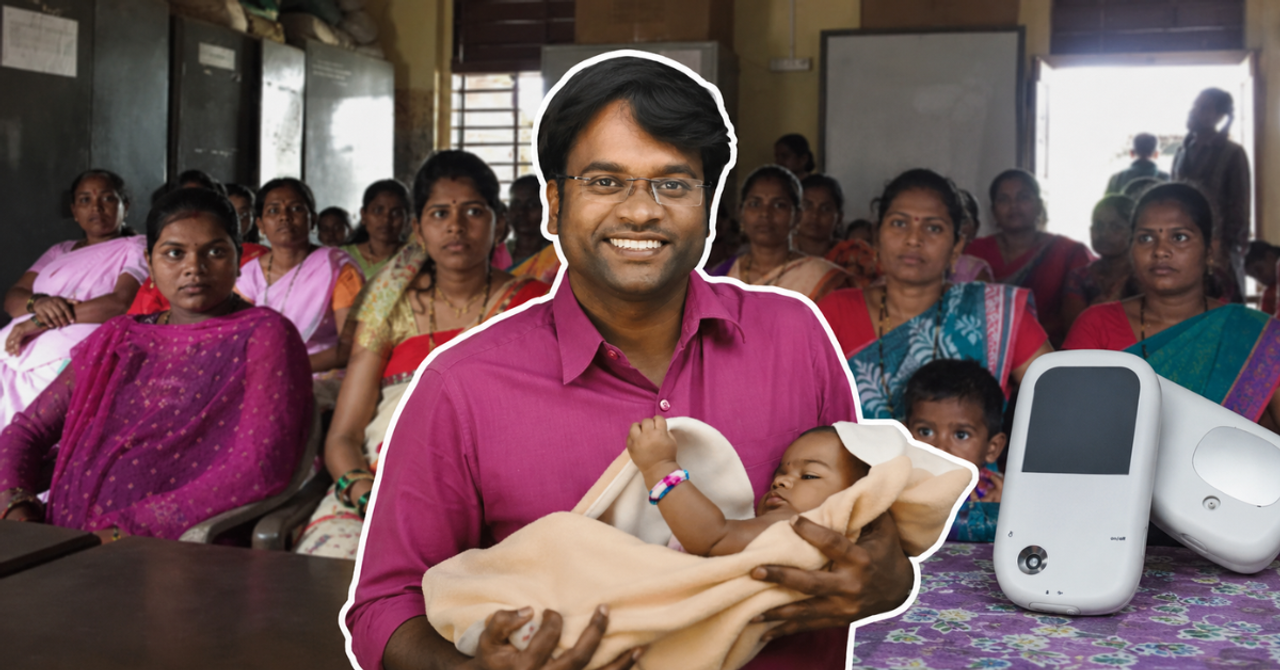
Navjot Sawhney, an aeronautical engineer, returned to a village in Tamil Nadu to present a new version of his washing machine to Divya, whose complaints about back pain and skin problems inspired the creation of The Washing Machine Project. At the time, Navjot was traveling through India during a break from his job and was moved by the daily hardships faced by women like Divya.
He designed a manual washing machine that uses minimal water and requires no electricity. Navjot explained, “I was working for a high-end vacuum company but took a break. After seeing village life and its challenges, it didn’t feel right to work on products for wealthy people. So I quit and spent about a year designing this washing machine.”
The machine has since been introduced in 14 countries, including India, Iraq, Lebanon, Mexico, Kenya, Uganda, the Republic of Congo, South Africa, Ghana, Greece, as well as refugee centers in Gaza, Palestine, and Uganda.
The Hidden Hard Work of Washing Clothes
While commonly perceived as a luxury in many parts of the world, Navjot considers the washing machine a necessity due to the significant burden washing clothes imposes on women. Research conducted across 13 countries involving over 3,000 families highlighted that laundering is overwhelmingly a woman’s responsibility globally.
“Women often laugh and talk while washing clothes by rivers. But we don’t see how hard and tiring this task really is.” — Navjot Sawhney
The physical effort includes scrubbing clothes on stones, wringing wet laundry, and exposure to harsh detergents, all of which contribute to fatigue and health issues.
A Practical Tool to Reduce Women’s Workload
Women engaged with The Washing Machine Project have shared insights such as, “For the first time in 15 years, my husband understands my struggles,” shedding light on the exhausting nature of handwashing. This task not only causes physical strain but also limits time freedom, as it consumes an estimated 50-60 liters of water per wash, often requiring long walks to fetch it.
In the Mamrashan Refugee Camp in Iraq, women reported losing free time that could have been spent resting or assisting their children with studies. Navjot estimated that eliminating handwashing could save women approximately 750 hours annually.
These findings motivated the creation of the Divya Washing Machine, a flat-pack, easy-to-assemble device designed to save time, water, and energy, particularly benefiting women and girls in remote and displaced communities.
How the Divya Washing Machine Works
Divya’s design prioritizes simplicity, repairability, and recyclability. A single 30-minute wash cycle requires minimal manual effort, consumes 50% less water, and takes just 25% of the time compared to traditional handwashing.
The concept originated in 2018 using a salad spinner to wash clothes without electricity. The first prototype, created in 2019 from a repurposed drum, was tested by displaced families in Iraq whose feedback informed subsequent enhancements. By 2021, the Divya 1.5 model was developed collaboratively with partners and communities; this version is lighter, easily assembled locally, and built for durability and straightforward maintenance.
Real-Life Impact Stories
Alamelu, a woman in her 60s from Puducherry, spent much of her life handwashing clothes. Over time, the task caused health issues, but the arrival of Navjot’s machine in 2024 brought relief, ensuring household laundry continued even if she was unable to wash.
Similar stories abound: Anjali regained hours daily to rest and manage her tea shop; Sarasu and her daughter Aishwarya gained time for studies; Sangeetha found relief from hip pain. Additionally, Alamelu’s grandchildren now have the option to attend school instead of assisting with laundry chores.
A Simple Innovation Making a Global Difference
Navjot believes the washing machine is a modest invention, yet it profoundly improves women’s lives worldwide by easing a labor-intensive, overlooked burden.
Source: “Making Life Lighter: On Improving Laundry” by Meghna Mukherjee and Frank Van Steenbergen
Author: Krystelle Dsouza