








How to Check If a Brand Name Is Already Taken
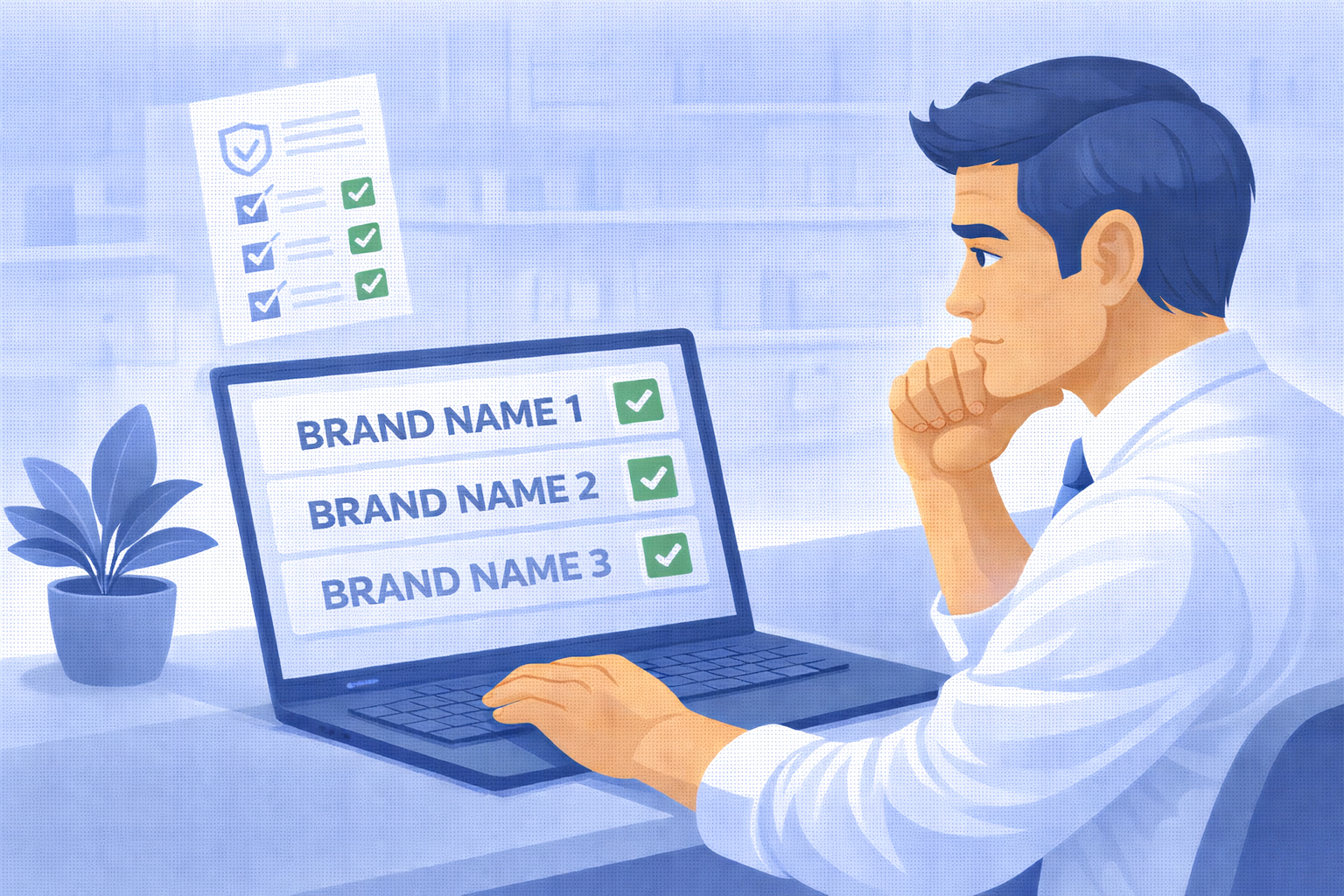
Choosing the right brand name is one of the most exciting steps in starting a business. It reflects your identity, helps customers remember you, and builds trust in the marketplace. But before you print packaging, build a website, or launch marketing campaigns, there’s one crucial question you must answer:
Is your brand name already taken?
Failing to check name availability can lead to legal disputes, forced rebranding, and financial losses. Understanding how to verify whether a brand name is available helps you protect your business from avoidable risks.
This guide explains how to check if a brand name is already taken in India and what steps to take before finalizing it.
Why Checking Brand Name Availability Is Important
Many businesses unknowingly select names that are already in use or legally protected. This can result in:
- trademark objections or rejection
- legal notices from existing brand owners
- forced rebranding after launch
- customer confusion in the marketplace
A proper search ensures your brand name is unique and legally safer to use.
Step 1: Search the Trademark Database
The most important step is checking the official trademark registry database.
In India, you can search the IP India Trademark Public Search portal to find:
- registered trademarks
- pending applications
- similar or phonetically identical names
When searching, check:
✔ exact matches
✔ similar spellings
✔ phonetic similarities
✔ same industry class
Even small spelling differences may still create legal conflicts.
Step 2: Check Business Name Registrations
Trademark search is essential, but you should also verify company and business registrations.
Search the Ministry of Corporate Affairs (MCA) database to see if a company is registered with a similar name. While company registration does not equal trademark protection, similar names can still cause confusion.
Step 3: Search Domain Name Availability
Your website domain is a key part of your brand identity.
Check domain availability using domain registrars to see if your brand name is already taken online. Even if the trademark is available, an unavailable domain can limit your digital presence.
Consider checking:
- .com
- .in
- relevant industry extensions
Step 4: Check Social Media Platforms
Search major platforms such as Instagram, Facebook, LinkedIn, and YouTube.
Even unregistered brand usage can create confusion and conflict. If the name is widely used online, securing a unique variation may be wiser.
Consistency across platforms strengthens brand recognition.
Step 5: Look for Common Law Usage
Some businesses operate without registered trademarks but still use their brand names extensively.
Search:
- Google results
- online marketplaces
- local business listings
- industry directories
If a name is already in active commercial use, using it could lead to disputes later.
Step 6: Check Phonetic and Visual Similarity
Trademark conflicts are not limited to identical names.
Names that sound alike, look similar, or convey similar meanings may be rejected or opposed.
Examples:
- “QuickKart” vs “KwikKart”
- “Freshlite” vs “Fresh Light”
Even if spelled differently, similar pronunciation can cause issues.
Understanding Trademark Classes
Trademark protection is organized into specific categories called classes, which group goods and services by industry. The global classification system (Nice Classification) divides trademarks into 45 classes — Classes 1–34 cover goods (products), and Classes 35–45 cover services.
A trademark is protected only in the class or classes in which it is registered. This means a brand name may be registered in one class but still be available in another if the businesses operate in unrelated industries.
For example:
-
A brand registered for clothing (Class 25) may not prevent use of the same name for software services (Class 42).
-
However, if the goods or services are closely related, the registry may still raise objections due to potential consumer confusion.
What Happens If You Skip This Step?
Skipping a proper search can lead to serious problems:
❌ trademark rejection or objections
❌ legal notices from existing owners
❌ forced name changes
❌ loss of marketing investment
❌ customer confusion
A name search is far easier and cheaper than rebranding later.
Tips for Choosing a Safer Brand Name
✔ Choose unique and creative names
✔ Avoid descriptive or generic words
✔ Avoid copying competitors’ styles
✔ Check phonetic variations
✔ Think long-term and scalable
Distinctive names are easier to protect legally.
Should You Get Professional Help?
While you can perform basic searches yourself, professional search reports provide deeper analysis. Experts review:
- phonetic similarities
- class conflicts
- potential objections
- legal risks
This reduces uncertainty before filing.
When Should You Conduct a Brand Name Search?
You should check availability:
✔ before finalizing your business name
✔ before designing logos or packaging
✔ before launching marketing campaigns
✔ before filing a trademark application
Early verification prevents costly mistakes.
Final Thoughts
Checking whether a brand name is already taken is a critical step before launching your business. A proper search helps avoid legal conflicts, protects your investment, and ensures your brand can grow without obstacles.
Choosing a unique and legally safe name today can save you from major challenges tomorrow.
Choosing a unique brand name is the first step toward building a strong business identity. If you’re ready to secure your name and avoid future conflicts, explore the complete trademark registration process in India and protect your brand the right way.
![[object Object]](/_next/image?url=https%3A%2F%2Fcms.msmestory.com%2Fwp-content%2Fuploads%2F2026%2F03%2Fmistakes-to-avoid-when-filing-a-trademark-application.png&w=3840&q=75)
![[object Object]](/_next/image?url=https%3A%2F%2Fcms.msmestory.com%2Fwp-content%2Fuploads%2F2026%2F03%2Fonline-trademark-registration.png&w=3840&q=75)
![[object Object]](/_next/image?url=https%3A%2F%2Fcms.msmestory.com%2Fwp-content%2Fuploads%2F2026%2F03%2Fapply-for-trademark-without-a-lawyer.png&w=3840&q=75)
![[object Object]](/_next/image?url=https%3A%2F%2Fcms.msmestory.com%2Fwp-content%2Fuploads%2F2026%2F03%2Findividual-vs-company-trademark-application.png&w=3840&q=75)
![[object Object]](/_next/image?url=https%3A%2F%2Fcms.msmestory.com%2Fwp-content%2Fuploads%2F2026%2F03%2Ftrademark-classes-explained-in-simple-terms-1.png&w=3840&q=75)
![[object Object]](/_next/image?url=https%3A%2F%2Fcms.msmestory.com%2Fwp-content%2Fuploads%2F2026%2F03%2Ftrademark-classes-explained-in-simple-terms.png&w=3840&q=75)
![[object Object]](/_next/image?url=https%3A%2F%2Fcms.msmestory.com%2Fwp-content%2Fuploads%2F2026%2F03%2Fhow-long-does-it-take-to-get-a-trademark-registered.png&w=3840&q=75)
![[object Object]](/_next/image?url=https%3A%2F%2Fcms.msmestory.com%2Fwp-content%2Fuploads%2F2026%2F03%2Fhow-much-does-trademark-registration-cost.png&w=3840&q=75)
![[object Object]](/_next/image?url=https%3A%2F%2Fcms.msmestory.com%2Fwp-content%2Fuploads%2F2026%2F03%2Fdocuments-required-for-trademark-registration1.png&w=3840&q=75)
![[object Object]](/_next/image?url=https%3A%2F%2Fcms.msmestory.com%2Fwp-content%2Fuploads%2F2026%2F03%2FStep-by-step-trademark-registration-process-for-startups.png&w=3840&q=75)
![[object Object]](/_next/image?url=https%3A%2F%2Fcms.msmestory.com%2Fwp-content%2Fuploads%2F2026%2F03%2Fdifference-between-trademark-and-company-registration.png&w=3840&q=75)
![[object Object]](/_next/image?url=https%3A%2F%2Fcms.msmestory.com%2Fwp-content%2Fuploads%2F2026%2F03%2Fmyths-about-trademark-protection.png&w=3840&q=75)
![[object Object]](/_next/image?url=https%3A%2F%2Fcms.msmestory.com%2Fwp-content%2Fuploads%2F2026%2F03%2FIs-a-logo-automatically-protected.png&w=3840&q=75)
![[object Object]](/_next/image?url=https%3A%2F%2Fcms.msmestory.com%2Fwp-content%2Fuploads%2F2026%2F02%2Fwhen-should-a-startup-apply-for-a-trademark.png&w=3840&q=75)
![[object Object]](/_next/image?url=https%3A%2F%2Fcms.msmestory.com%2Fwp-content%2Fuploads%2F2026%2F02%2FWhat-happens-if-I-dont-trademark-my-brand-name.png&w=3840&q=75)
![[object Object]](/_next/image?url=https%3A%2F%2Fcms.msmestory.com%2Fwp-content%2Fuploads%2F2026%2F02%2FCan-I-Use-a-Business-Name-Without-Trademark-Registration.png&w=3840&q=75)
![[object Object]](/_next/image?url=https%3A%2F%2Fcms.msmestory.com%2Fwp-content%2Fuploads%2F2026%2F02%2FDo-Startups-Need-Trademark-Registration.png&w=3840&q=75)
![[object Object]](/_next/image?url=https%3A%2F%2Fcms.msmestory.com%2Fwp-content%2Fuploads%2F2026%2F02%2FTrademark-registration-for-small-businesses.png&w=3840&q=75)
![[object Object]](/_next/image?url=https%3A%2F%2Fcms.msmestory.com%2Fwp-content%2Fuploads%2F2026%2F02%2FTrademark-rejection-reasons-in-India.png&w=3840&q=75)