




Introduction
In the remote villages of Assam, the greater adjutant stork—locally known as the hargila—once faced extinction due to misunderstanding and neglect. Purnima Devi Burman’s inspiring journey transformed local mockery into a vibrant conservation movement. Through cultural connection and community engagement, she built an army of over 20,000 women dedicated to rescuing this endangered bird and revitalizing their own livelihoods.
The Beginning: A Fallen Nest
In Dadara, one of the last refuges for the greater adjutant stork, a decisive event shook the conservation community. A giant nesting tree was cut down, causing nine young hargila chicks to fall to the ground, injured and vulnerable. Despite Purnima Devi Burman’s urgent efforts, some chicks did not survive.
When Purnima confronted the men responsible, her warnings went unheeded and were met with ridicule. To the villagers, the hargila was considered dirty and an omen of bad luck.
“Scientific data means very little if people believe a species is worthless or cursed.” — Purnima Devi Burman
January 2007 marked a turning point; Purnima decided to shift from pure research to community-driven conservation.
Childhood Inspirations by the Brahmaputra
Raised in the village of Pub Majir Gaon by the Brahmaputra River, Purnima’s deep respect for birds was nurtured by her grandmother, Aita. Through stories and daily life, birds were revered as sacred beings interwoven with culture and nature.
These early experiences fostered a lifelong connection, grounding Purnima in the local traditions and inspiring her dedication to conservation.
From Research to Community Action
After excelling in Zoology and beginning her PhD on the hargila’s ecology at Gauhati University, Purnima received distressing reports of habitat destruction in 2007. She recognized that scientific research alone could not counter entrenched superstitions labeling the bird as a bad omen.
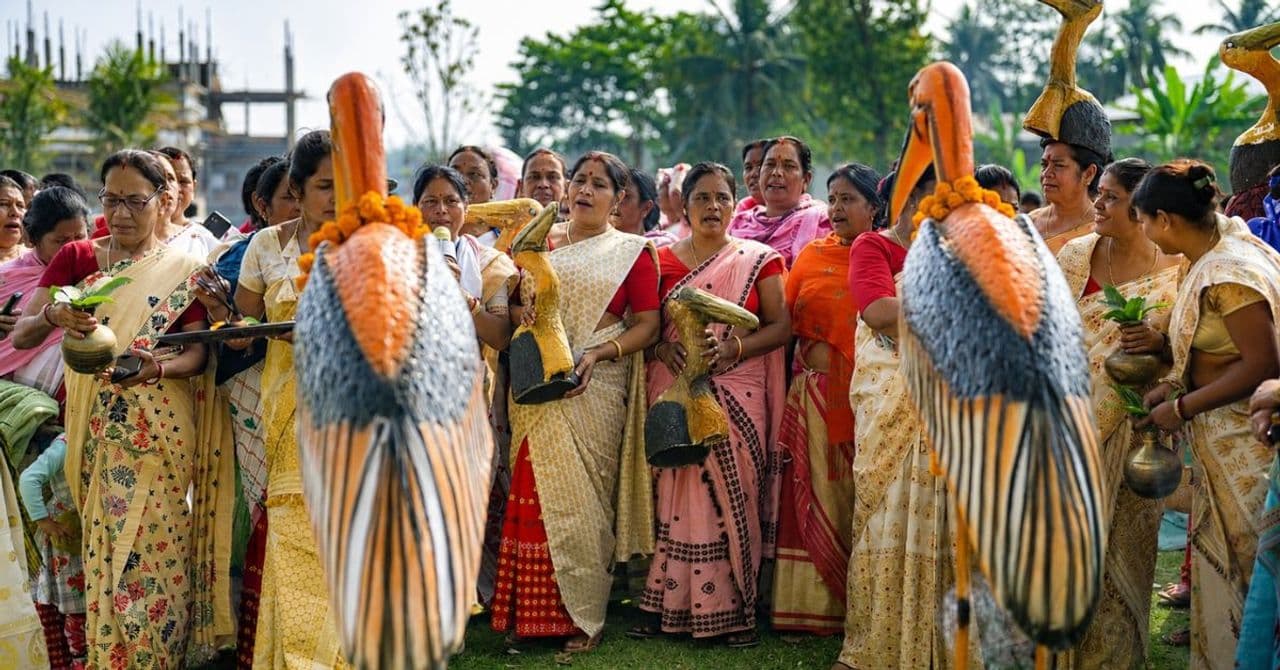
Undeterred, she engaged the community through culturally resonant activities such as cooking contests, rangoli art, and folk prayers—events that created safe spaces for women to connect. Rather than lectures, she fostered dialogue. This approach began to shift perceptions.
One particularly impactful idea was the “hargila baby shower,” which symbolized the devotion of hargila mothers caring for their chicks and resonated deeply with local women.
This transformation of fear into pride led to the inception of the Hargila Army in 2007, a grassroots group championing bird conservation.
Women at the Heart of Conservation
Purnima emphasizes that women integrate conservation seamlessly into their cultural, familial, and work lives. The Hargila Army has expanded to over 20,000 women, with approximately 1,500 actively involved in fieldwork.
Members monitor nests, rescue chicks, protect habitats, and educate future generations. Husbands, once skeptical, now support their wives’ involvement.
The hargila’s image has shifted from “ugly bird” to cherished cultural symbol through storytelling and community pride.
Moreover, handicrafts featuring hargila motifs have empowered women economically, blending conservation with improved livelihoods.
Stories from the Hargila Army
- Labita Baishya joined in 2017, trained women in weaving and tailoring, and earns Rs 7,000–8,000 monthly.
- Saroda Das, who once disliked the hargila, now leads tailoring classes in Kulhati’s new nesting colony and experiences newfound freedom and respect.
Measurable Conservation Success
Since 2007, hargila nests in key villages have increased from 18 to over 485, with newly discovered colonies like Kulhati housing 52 nests in 2024. The population in Assam has rebounded from roughly 400 to 1,800–2,000—the world’s largest.
Conservation status has improved from Critically Endangered to Near Threatened. Nest monitoring, chick rescue, and the use of scientifically designed artificial platforms have further supported recovery.
Women’s Livelihoods and Leadership
- Income generation through tailoring, weaving, embroidery, and handicrafts.
- Skill development workshops enhancing employment opportunities.
- Increased participation of women in family decisions.
- Global recognition of the Hargila Army’s leadership in conservation.
Now based in Guwahati, Purnima balances research, advocacy, and on-the-ground work. Her honors include TIME’s Women of the Year 2025, the Whitley Gold Award 2024, UN Champions of the Earth, and the Nari Shakti Puraskar.
She continues to collaborate internationally, recently training women in Cambodia on the community-led conservation model, aiming to extend its impact beyond India.
Changing Stories, Changing Minds
The transformation of the hargila’s image showcases the power of narrative. Festivals, songs, textiles, and children’s art now celebrate the bird, integrating conservation into everyday life.
Purnima envisions increasing the global hargila population substantially and adapting the women-led model to other species and regions.
She advocates beginning conservation education early, grounded in care and environmental stewardship.
Stories of New Generations
- Tridip Das, dubbed a “son of the Hargila Army,” began conserving wildlife as a teenager with the care of an injured kite bird.
- Pratima Kalika Rajbongshi joined in 2010, motivated by the plight of fallen chicks, and now leads awareness and financial contributions across villages.
They exemplify the expanding legacy of conservation driven by community and familial responsibility.
Building a Legacy of Sisterhood
Purnima’s journey from childhood stories in Assam’s paddy fields to becoming the “Stork Sister” encapsulates a profound bond between people and nature.
Through the Hargila Army, she extended that familial care to a vast community, creating a movement that safeguards an endangered species while empowering women.