









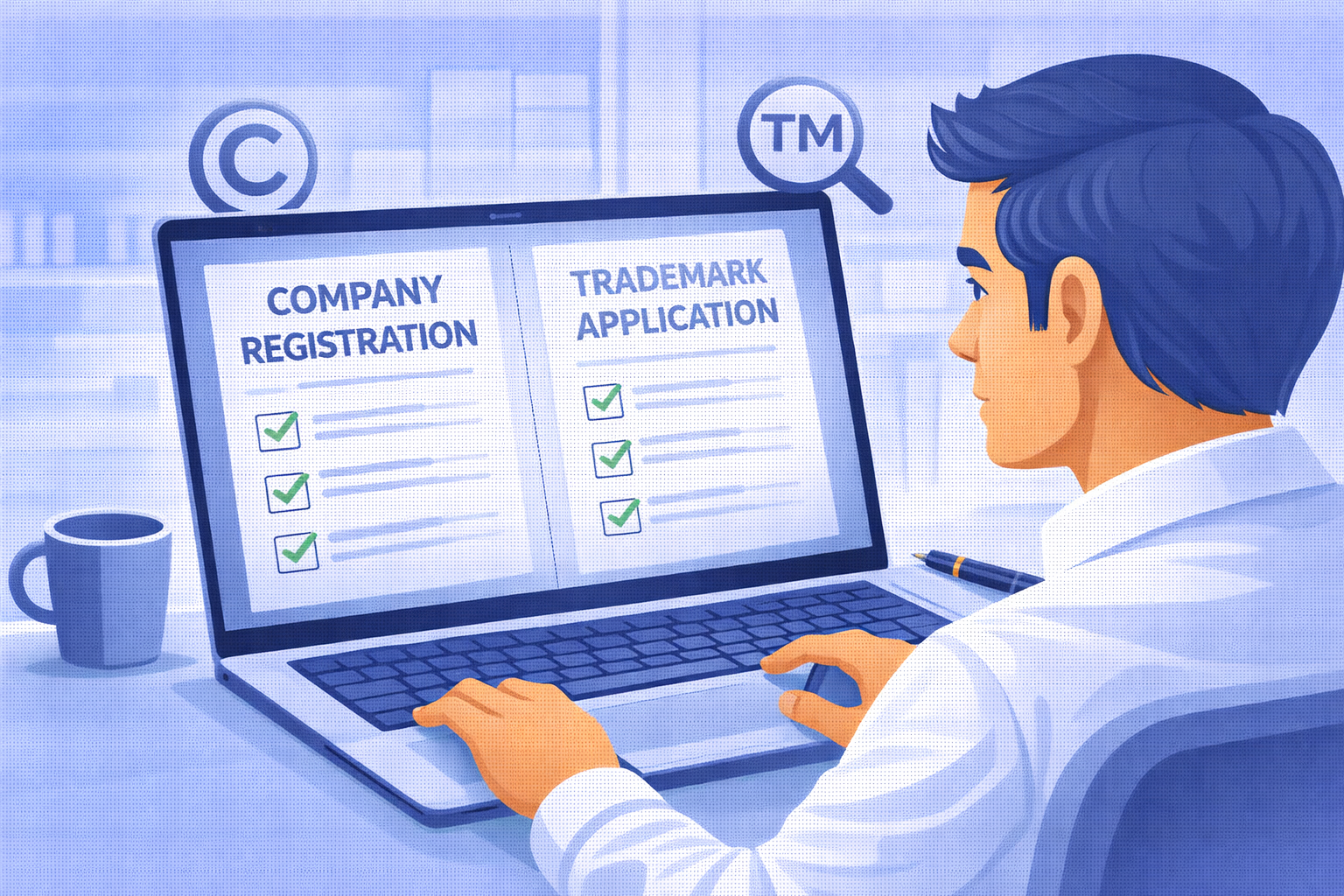
Difference Between Trademark and Company Registration
When starting a business, many entrepreneurs complete company registration as their first legal step. However, a common misconception is that registering a company automatically protects the business name or brand. In reality, there is a clear difference between trademark and company registration.
Understanding the difference between trademark and company registration is essential for protecting your business identity properly. While both are important legal steps, they serve very different purposes and protect different aspects of your business.
Let’s break it down in simple terms so you can make informed decisions for your brand.
What Is Company Registration?
Company registration is the legal process of creating a recognized business entity. In India, businesses can register under different structures such as:
- Private Limited Company
- Limited Liability Partnership (LLP)
- One Person Company (OPC)
- Partnership Firm
- Sole Proprietorship
This registration is typically done with the Ministry of Corporate Affairs (MCA).
Purpose of Company Registration
Company registration allows your business to:
✔ operate legally under a specific name
✔ open business bank accounts
✔ sign contracts and agreements
✔ comply with tax and regulatory requirements
✔ limit personal liability in certain structures
However, company registration does not provide full brand protection in the marketplace.
What Is Trademark Registration?
Trademark registration protects your brand identity, including:
- brand name
- logo
- slogan or tagline
- product names
- distinctive symbols
A trademark ensures that customers can clearly associate your brand with your business and not confuse it with competitors.
Trademark registration is handled by the Controller General of Patents, Designs and Trademarks in India.
Purpose of Trademark Registration
Trademark protection allows you to:
✔ gain exclusive rights to use the mark
✔ prevent others from using similar marks
✔ take legal action against infringement
✔ build brand recognition and trust
✔ use the ® symbol after registration
Key Differences Between Trademark and Company Registration
|
Feature |
Company Registration |
Trademark Registration |
| Purpose | Create legal business entity | Protect brand identity |
| Authority | Ministry of Corporate Affairs | Trademark Registry |
| Protects | Business structure | Brand name, logo, slogan |
| Market Exclusivity | No | Yes |
| Scope | Corporate records | Consumer marketplace |
In simple terms:
Company registration protects your business entity.
Trademark registration protects your brand.
Why Business Owners Often Confuse the Two
Many entrepreneurs believe that if the government approves their company name during registration, it automatically prevents others from using it.
However, the company name approval process mainly checks for identical names within corporate records. It does not guarantee brand exclusivity in the marketplace.
This is why trademark registration is still necessary.
Real-World Example
Imagine you register a company called “GreenLeaf Naturals Pvt Ltd.”
Another business might still sell products under the brand name “Green Leaf Naturals” if the trademark is not registered.
Customers could become confused, and you might face brand disputes.
Trademark registration prevents this type of situation.
Why Businesses Need Both Registrations
For most businesses, both registrations are important.
Company registration helps you operate legally, while trademark registration protects the identity customers recognize.
Having both provides:
✔ legal structure for operations
✔ brand ownership protection
✔ stronger credibility with customers
✔ safer expansion opportunities
Risks of Relying Only on Company Registration
If you only register your company name and skip trademark registration, you may face several risks.
Brand Conflicts
Another business may register a similar trademark and restrict your use of the name.
Rebranding Costs
You may need to change your brand name after investing in marketing and packaging.
Customer Confusion
Similar brand names can confuse customers and weaken brand recognition.
Legal Disputes
Trademark conflicts can lead to notices, objections, or legal cases.
When Should You Register a Trademark?
The best time to apply for trademark registration is:
✔ after finalizing your brand name
✔ before launching marketing campaigns
✔ before listing products online
✔ before expanding to new markets
Early registration reduces legal risks and protects your brand from the start.
Benefits of Trademark Protection for Growing Businesses
Registering a trademark provides long-term advantages.
Strong Brand Identity
Customers recognize and trust protected brands more easily.
Business Asset Creation
Trademarks become valuable intellectual property assets.
Licensing and Franchising Opportunities
Registered trademarks can be licensed to partners or franchisees.
Investor Confidence
Investors prefer businesses with protected intellectual property.
Final Thoughts
Understanding the difference between trademark and company registration helps business owners avoid common legal misunderstandings. Company registration allows you to operate legally, but trademark registration protects the brand identity that customers associate with your business.
For startups and growing businesses, securing both forms of protection ensures stronger legal security and long-term brand value.
Understanding the difference between trademark and company registration is the first step toward protecting your business identity. If you want to secure your brand name and avoid future conflicts, explore the complete trademark registration process in India and learn how to protect your brand properly.
![[object Object]](/_next/image?url=https%3A%2F%2Fcms.msmestory.com%2Fwp-content%2Fuploads%2F2026%2F03%2Fmistakes-to-avoid-when-filing-a-trademark-application.png&w=3840&q=75)
![[object Object]](/_next/image?url=https%3A%2F%2Fcms.msmestory.com%2Fwp-content%2Fuploads%2F2026%2F03%2Fonline-trademark-registration.png&w=3840&q=75)
![[object Object]](/_next/image?url=https%3A%2F%2Fcms.msmestory.com%2Fwp-content%2Fuploads%2F2026%2F03%2Fapply-for-trademark-without-a-lawyer.png&w=3840&q=75)
![[object Object]](/_next/image?url=https%3A%2F%2Fcms.msmestory.com%2Fwp-content%2Fuploads%2F2026%2F03%2Findividual-vs-company-trademark-application.png&w=3840&q=75)
![[object Object]](/_next/image?url=https%3A%2F%2Fcms.msmestory.com%2Fwp-content%2Fuploads%2F2026%2F03%2Ftrademark-classes-explained-in-simple-terms-1.png&w=3840&q=75)
![[object Object]](/_next/image?url=https%3A%2F%2Fcms.msmestory.com%2Fwp-content%2Fuploads%2F2026%2F03%2Ftrademark-classes-explained-in-simple-terms.png&w=3840&q=75)
![[object Object]](/_next/image?url=https%3A%2F%2Fcms.msmestory.com%2Fwp-content%2Fuploads%2F2026%2F03%2Fhow-long-does-it-take-to-get-a-trademark-registered.png&w=3840&q=75)
![[object Object]](/_next/image?url=https%3A%2F%2Fcms.msmestory.com%2Fwp-content%2Fuploads%2F2026%2F03%2Fhow-much-does-trademark-registration-cost.png&w=3840&q=75)
![[object Object]](/_next/image?url=https%3A%2F%2Fcms.msmestory.com%2Fwp-content%2Fuploads%2F2026%2F03%2Fdocuments-required-for-trademark-registration1.png&w=3840&q=75)
![[object Object]](/_next/image?url=https%3A%2F%2Fcms.msmestory.com%2Fwp-content%2Fuploads%2F2026%2F03%2FStep-by-step-trademark-registration-process-for-startups.png&w=3840&q=75)
![[object Object]](/_next/image?url=https%3A%2F%2Fcms.msmestory.com%2Fwp-content%2Fuploads%2F2026%2F03%2Fmyths-about-trademark-protection.png&w=3840&q=75)
![[object Object]](/_next/image?url=https%3A%2F%2Fcms.msmestory.com%2Fwp-content%2Fuploads%2F2026%2F03%2FIs-a-logo-automatically-protected.png&w=3840&q=75)
![[object Object]](/_next/image?url=https%3A%2F%2Fcms.msmestory.com%2Fwp-content%2Fuploads%2F2026%2F02%2Fwhen-should-a-startup-apply-for-a-trademark.png&w=3840&q=75)
![[object Object]](/_next/image?url=https%3A%2F%2Fcms.msmestory.com%2Fwp-content%2Fuploads%2F2026%2F02%2FWhat-happens-if-I-dont-trademark-my-brand-name.png&w=3840&q=75)
![[object Object]](/_next/image?url=https%3A%2F%2Fcms.msmestory.com%2Fwp-content%2Fuploads%2F2026%2F02%2FHow-to-Check-If-a-Brand-Name-Is-Already-Taken.png&w=3840&q=75)
![[object Object]](/_next/image?url=https%3A%2F%2Fcms.msmestory.com%2Fwp-content%2Fuploads%2F2026%2F02%2FCan-I-Use-a-Business-Name-Without-Trademark-Registration.png&w=3840&q=75)
![[object Object]](/_next/image?url=https%3A%2F%2Fcms.msmestory.com%2Fwp-content%2Fuploads%2F2026%2F02%2FDo-Startups-Need-Trademark-Registration.png&w=3840&q=75)
![[object Object]](/_next/image?url=https%3A%2F%2Fcms.msmestory.com%2Fwp-content%2Fuploads%2F2026%2F02%2FTrademark-registration-for-small-businesses.png&w=3840&q=75)
![[object Object]](/_next/image?url=https%3A%2F%2Fcms.msmestory.com%2Fwp-content%2Fuploads%2F2026%2F02%2FTrademark-rejection-reasons-in-India.png&w=3840&q=75)