








Apply for Trademark Without a Lawyer
For many entrepreneurs and small business owners, protecting their brand through trademark registration is an important step. A common question that often comes up is whether it is possible to apply for trademark without a lawyer.
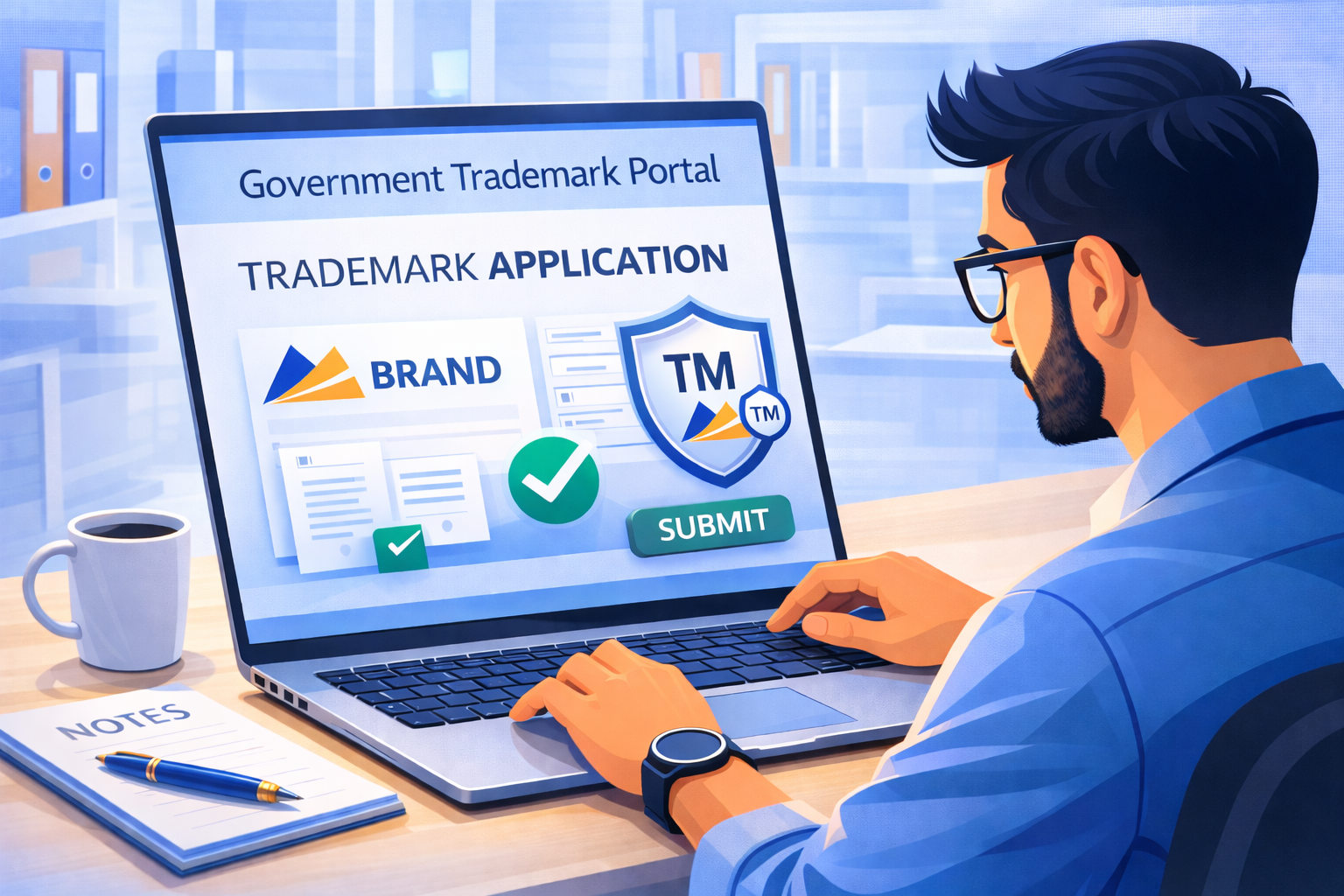
The answer is yes. In many countries, including India, individuals and business owners can apply for trademark without a lawyer by submitting their application directly through the official trademark registry portal. The system allows applicants to file their trademark application, upload documents, select the appropriate trademark class, and track the application status online.
However, while it is legally possible to apply for trademark without professional assistance, it is important to understand the process and requirements carefully to avoid mistakes or delays during the registration process.
What Is a Trademark Application?
A trademark application is a formal request submitted to the trademark registry to obtain legal protection for a brand identifier. This identifier could be:
- a brand name
- a logo or symbol
- a slogan or tagline
- a product name
Once the trademark is registered, the owner gains exclusive rights to use that mark for specific goods or services.
The application process involves multiple steps such as trademark search, class selection, filing, examination, publication, and final registration.
Can You File a Trademark Application Yourself?
Yes. Individuals, entrepreneurs, and businesses can file trademark applications directly through the official IP India trademark portal.
The system allows applicants to:
- conduct trademark searches
- choose the appropriate trademark class
- upload required documents
- submit the application online
- track the application status
This means that legally speaking, a lawyer is not required to file a trademark application.
Advantages of Filing a Trademark Without a Lawyer
Some business owners prefer filing trademarks themselves, especially in the early stages of a startup.
Lower Initial Costs
Filing the application yourself means you only pay the government filing fee. This can reduce initial expenses for small businesses.
Direct Control Over the Application
When filing yourself, you handle all aspects of the application process directly, including class selection and document submission.
Faster Decision Making
Without involving external professionals, some applicants find they can move quickly through the early stages of the process.
Challenges of Filing Without Professional Help
While it is possible to file independently, the trademark registration process involves legal considerations that can sometimes be complex.
Choosing the Correct Trademark Class
Selecting the wrong class can lead to weak protection or rejection of the application. Many applicants struggle with understanding the trademark classification system.
Conducting a Proper Trademark Search
A basic search may miss similar trademarks that could later lead to objections or legal conflicts.
Trademark professionals typically conduct detailed searches that go beyond simple database checks.
Responding to Trademark Objections
If the trademark examiner raises objections, the applicant must submit a legal response explaining why the trademark should be approved.
Preparing these responses can be challenging without legal experience.
Handling Opposition Proceedings
After publication, another business may oppose the trademark application. In such cases, legal arguments and documentation are often required.
When Filing Without a Lawyer May Work
Some situations are relatively straightforward and may allow applicants to file their trademarks themselves.
This may include:
- simple word marks with unique names
- businesses operating in a single trademark class
- applications with minimal risk of conflict
However, even in these cases, careful research is necessary.
When It May Be Better to Use a Trademark Professional
In many situations, professional guidance can help reduce risk and improve the chances of successful registration.
Professional help may be beneficial when:
- the brand name is similar to existing trademarks
- multiple trademark classes are involved
- the application receives objections
- the business plans international expansion
Trademark professionals understand the legal standards used by examiners and can help navigate complex situations.
The Risk of Trademark Rejection
One of the most common problems in self-filed trademark applications is rejection due to avoidable errors.
Common reasons include:
- similarity with existing trademarks
- descriptive or generic brand names
- incorrect class selection
- incomplete application details
When applications are rejected, businesses may need to restart the process or rebrand entirely.
How to File a Trademark Application Yourself
If you choose to file your trademark independently, the general process typically involves the following steps.
1. Conduct a Trademark Search
Search the trademark database to identify similar existing trademarks.
2. Choose the Correct Trademark Class
Identify the class that matches your goods or services.
3. Prepare the Application
Gather necessary documents such as:
- applicant identity details
- brand logo or name
- description of goods or services
4. Submit the Application Online
File the application through the trademark registry portal and pay the government filing fee.
5. Track Application Status
Monitor the application for examination reports, objections, or publication updates.
Is Hiring a Lawyer Mandatory?
No. Trademark law does not require applicants to hire lawyers or agents.
However, many businesses choose to work with professionals because trademark registration involves legal evaluation, and mistakes can lead to delays or rejection.
For businesses investing heavily in branding, professional assistance can provide added confidence.
Balancing Cost and Risk
For some startups, saving money by filing independently may be appealing. But it is important to consider the long-term value of the brand.
A trademark often becomes a critical business asset.
If mistakes during filing lead to rejection or disputes, the cost of correcting those issues may exceed the initial savings.
Final Thoughts
However, while self-filing is possible, the process involves legal evaluation, class selection, and potential objections that may require expertise. For many businesses, especially those building long-term brands, professional guidance can help reduce risks and improve the chances of successful registration.
Ultimately, the decision depends on your comfort level with the trademark process and the importance of the brand you are protecting.
If you’re planning to register your brand and want a clear understanding of the process, explore the complete trademark registration process in India and learn how to protect your brand correctly.
![[object Object]](/_next/image?url=https%3A%2F%2Fcms.msmestory.com%2Fwp-content%2Fuploads%2F2026%2F03%2Fmistakes-to-avoid-when-filing-a-trademark-application.png&w=3840&q=75)
![[object Object]](/_next/image?url=https%3A%2F%2Fcms.msmestory.com%2Fwp-content%2Fuploads%2F2026%2F03%2Fonline-trademark-registration.png&w=3840&q=75)
![[object Object]](/_next/image?url=https%3A%2F%2Fcms.msmestory.com%2Fwp-content%2Fuploads%2F2026%2F03%2Findividual-vs-company-trademark-application.png&w=3840&q=75)
![[object Object]](/_next/image?url=https%3A%2F%2Fcms.msmestory.com%2Fwp-content%2Fuploads%2F2026%2F03%2Ftrademark-classes-explained-in-simple-terms-1.png&w=3840&q=75)
![[object Object]](/_next/image?url=https%3A%2F%2Fcms.msmestory.com%2Fwp-content%2Fuploads%2F2026%2F03%2Ftrademark-classes-explained-in-simple-terms.png&w=3840&q=75)
![[object Object]](/_next/image?url=https%3A%2F%2Fcms.msmestory.com%2Fwp-content%2Fuploads%2F2026%2F03%2Fhow-long-does-it-take-to-get-a-trademark-registered.png&w=3840&q=75)
![[object Object]](/_next/image?url=https%3A%2F%2Fcms.msmestory.com%2Fwp-content%2Fuploads%2F2026%2F03%2Fhow-much-does-trademark-registration-cost.png&w=3840&q=75)
![[object Object]](/_next/image?url=https%3A%2F%2Fcms.msmestory.com%2Fwp-content%2Fuploads%2F2026%2F03%2Fdocuments-required-for-trademark-registration1.png&w=3840&q=75)
![[object Object]](/_next/image?url=https%3A%2F%2Fcms.msmestory.com%2Fwp-content%2Fuploads%2F2026%2F03%2FStep-by-step-trademark-registration-process-for-startups.png&w=3840&q=75)
![[object Object]](/_next/image?url=https%3A%2F%2Fcms.msmestory.com%2Fwp-content%2Fuploads%2F2026%2F03%2Fdifference-between-trademark-and-company-registration.png&w=3840&q=75)
![[object Object]](/_next/image?url=https%3A%2F%2Fcms.msmestory.com%2Fwp-content%2Fuploads%2F2026%2F03%2Fmyths-about-trademark-protection.png&w=3840&q=75)
![[object Object]](/_next/image?url=https%3A%2F%2Fcms.msmestory.com%2Fwp-content%2Fuploads%2F2026%2F03%2FIs-a-logo-automatically-protected.png&w=3840&q=75)
![[object Object]](/_next/image?url=https%3A%2F%2Fcms.msmestory.com%2Fwp-content%2Fuploads%2F2026%2F02%2Fwhen-should-a-startup-apply-for-a-trademark.png&w=3840&q=75)
![[object Object]](/_next/image?url=https%3A%2F%2Fcms.msmestory.com%2Fwp-content%2Fuploads%2F2026%2F02%2FWhat-happens-if-I-dont-trademark-my-brand-name.png&w=3840&q=75)
![[object Object]](/_next/image?url=https%3A%2F%2Fcms.msmestory.com%2Fwp-content%2Fuploads%2F2026%2F02%2FHow-to-Check-If-a-Brand-Name-Is-Already-Taken.png&w=3840&q=75)
![[object Object]](/_next/image?url=https%3A%2F%2Fcms.msmestory.com%2Fwp-content%2Fuploads%2F2026%2F02%2FCan-I-Use-a-Business-Name-Without-Trademark-Registration.png&w=3840&q=75)
![[object Object]](/_next/image?url=https%3A%2F%2Fcms.msmestory.com%2Fwp-content%2Fuploads%2F2026%2F02%2FDo-Startups-Need-Trademark-Registration.png&w=3840&q=75)
![[object Object]](/_next/image?url=https%3A%2F%2Fcms.msmestory.com%2Fwp-content%2Fuploads%2F2026%2F02%2FTrademark-registration-for-small-businesses.png&w=3840&q=75)
![[object Object]](/_next/image?url=https%3A%2F%2Fcms.msmestory.com%2Fwp-content%2Fuploads%2F2026%2F02%2FTrademark-rejection-reasons-in-India.png&w=3840&q=75)