




The welfare promise and the database challenge of cash transfer schemes
Recent research highlights the significant positive effects of cash transfer programs focused on women, demonstrating improvements not only for the recipients but also for their households. A working paper by the Economic Advisory Council to the Prime Minister (EAC-PM) analyzing programs in Maharashtra and Odisha revealed substantial increases in savings and expenditures among beneficiaries.
Specifically, Maharashtra’s Mukhyamantri Majhi Ladki Bahin Yojana raised account balances by approximately 84% (₹6,884) and monthly spending by 46% (₹1,349). Odisha’s Subhadra Yojana resulted in a 45% uplift in balances (₹6,887) and a 28% increase in spending (₹1,920).
Positive outcomes from cash transfer programs
These findings align with previous studies showing that regular cash transfers to women lead to improved nutrition, reduced gender disparities in food consumption, and enhanced child development, though some physical growth measures remained unchanged.
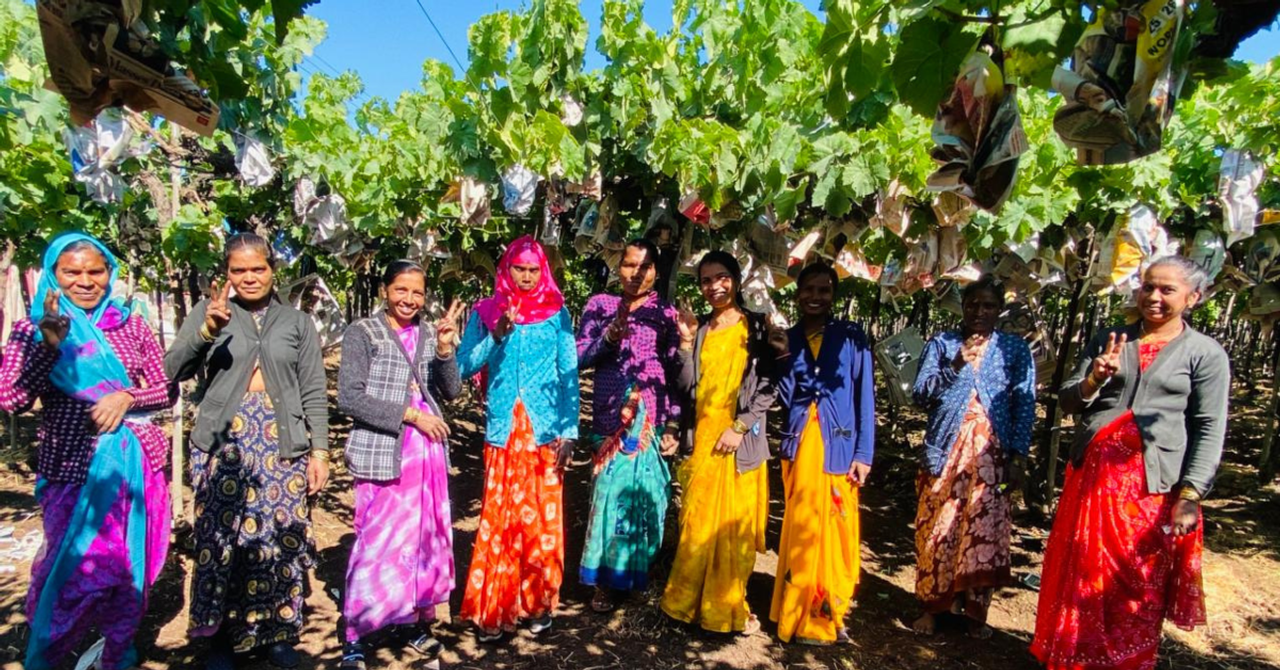
Furthermore, such programs have been shown to strengthen women’s economic empowerment and decision-making influence within households. However, while these transfers provide important support against shocks like illness and climate events, they alone may not suffice to eradicate poverty.
Challenges in beneficiary management and rationalisation
States administering these programs have begun large-scale reductions in beneficiary lists under efforts termed ‘rationalisation.’ Maharashtra has removed roughly 9.2 million beneficiaries from its cash transfer scheme, often citing exclusions of government employees, taxpayers, or those lacking proper KYC documentation.
Similar pruning of beneficiary rolls has occurred in Madhya Pradesh, where six million fewer persons receive benefits compared to the program’s inception. Adjustments in allotments have also affected other groups, such as women farmers, who have seen their benefits significantly reduced.
Political influence and beneficiary exclusions
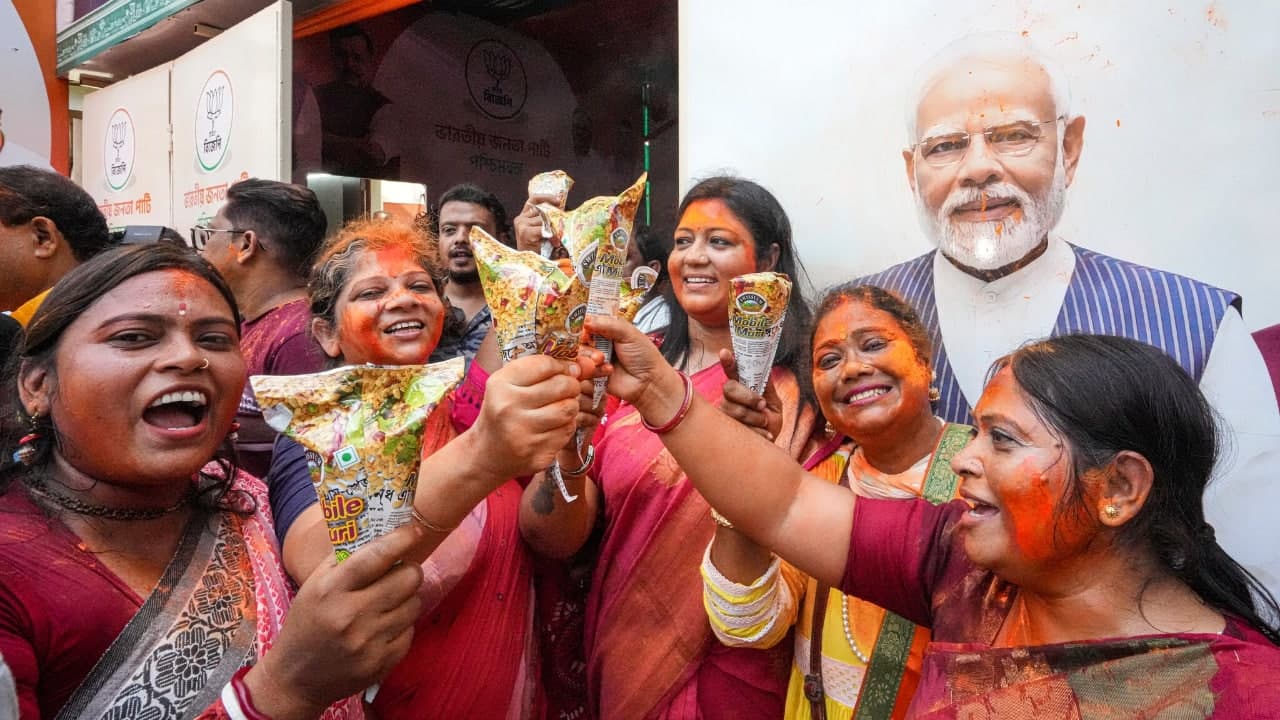
Political changes have influenced such schemes as well. In West Bengal, the BJP-led government renamed and increased monthly payments for a women’s scheme but reportedly plans to drop around three million beneficiaries following a revision of electoral rolls. Delhi plans to limit cash transfers to one eligible family member per household, among other conditions.
Concerns over transparency and exclusion errors
Critics have raised concerns about these beneficiary deletions, describing the processes as opaque, heavily dependent on algorithms, and marked by limited opportunities for grievance redressal.
Errors, such as mistaken deaths or migrations and discrepancies in personal data, may lead to wrongful exclusions. Experts note that the framing of these deletions as efficiency improvements often overlooks the absence of thorough manual verification.
Perceptions of cash transfers and their impact on citizenship
There is a perception that cash transfers are gifts rather than rights, which may diminish public resistance when payments cease, potentially undermining empowerment and the establishment of accountability between citizens and the state.
Some scholars argue that shifting welfare governance toward outcomes and direct cash payments distances the state from day-to-day citizen engagement, impacting the exercise of citizenship.
Governance challenges in digital beneficiary management
From a governance perspective, while direct benefit transfer (DBT) systems have curbed leakages by digitizing beneficiary databases, they have introduced new vulnerabilities, such as local collusion and erroneous or multiple registrations linked to Aadhaar.
Governments periodically conduct one-time verification drives, though these are limited compared to continuous monitoring.
The typical cycle involves rapid enrollment of beneficiaries around elections followed by post-election reviews for financial sustainability and targeting accuracy.
Increasingly, states are developing family ID databases to map and potentially rationalize welfare distribution across multiple programs, aiming to reduce overlaps and ensure appropriate allocation.
Balancing exclusion and financial sustainability
Balancing the principled goal of excluding ineligible recipients with financial constraints remains a core challenge as states manage cash transfer schemes targeting women’s welfare and empowerment.
Key Takeaways
- Cash transfer programs directed at women significantly improve household savings and expenditures.
- Such programs enhance nutrition, reduce gender disparities, and empower women economically.
- States are reducing beneficiary lists through rationalisation efforts, sometimes leading to controversial exclusions.
- Beneficiary deletion processes face criticism for lack of transparency and potential errors.
- Digital governance of welfare schemes improves leakages but introduces new challenges.
- Balancing inclusion, financial sustainability, and effective targeting remains a key policy challenge.
![[object Object]](/_next/image?url=https%3A%2F%2Fcms.msmestory.com%2Fwp-content%2Fuploads%2F2026%2F07%2Fog-46.jpg&w=3840&q=75)
![[object Object]](/_next/image?url=https%3A%2F%2Fcms.msmestory.com%2Fwp-content%2Fuploads%2F2026%2F07%2Fog-40.jpg&w=3840&q=75)
![[object Object]](/_next/image?url=https%3A%2F%2Fcms.msmestory.com%2Fwp-content%2Fuploads%2F2026%2F07%2Fog-24.jpg&w=3840&q=75)
![[object Object]](/_next/image?url=https%3A%2F%2Fcms.msmestory.com%2Fwp-content%2Fuploads%2F2026%2F07%2Fog-23.jpg&w=3840&q=75)