






Rewind: No UPI, Only Cash – Digital Inclusion vs GST Enforcement
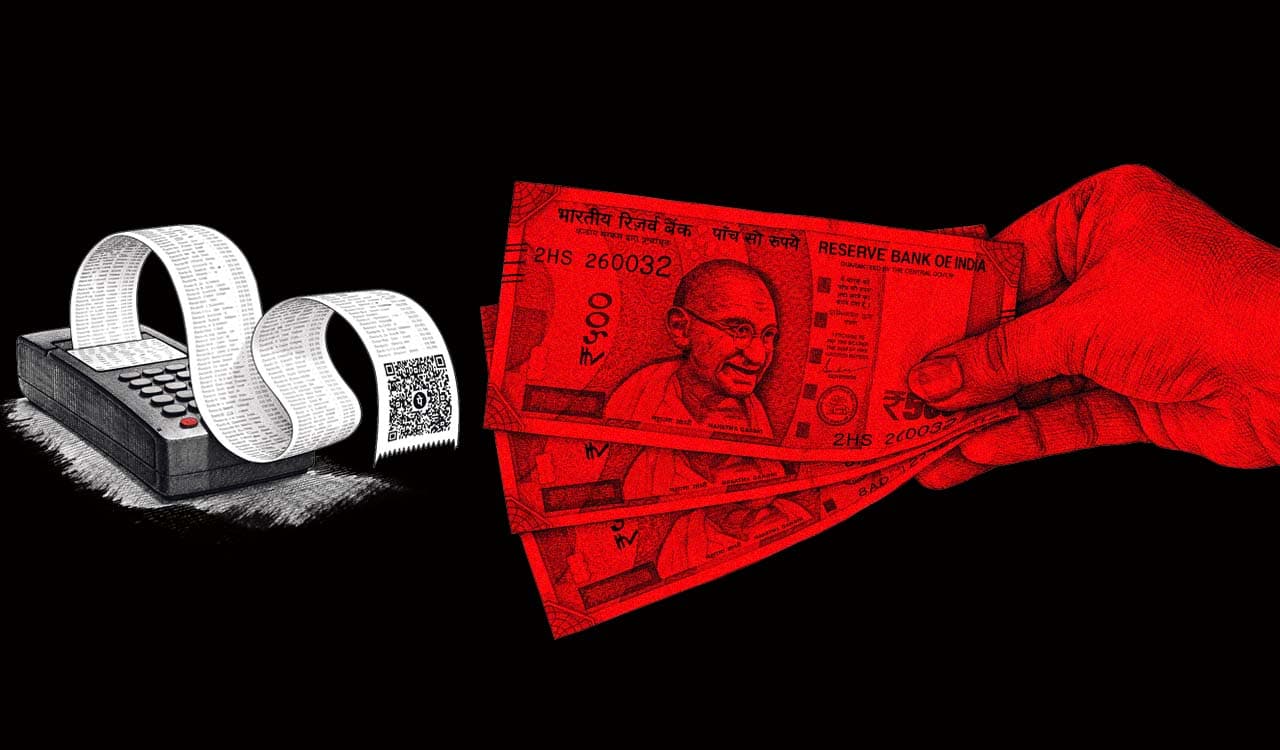
The ongoing debate highlights the tension between promoting digital transaction methods and enforcing tax regulations under the Goods and Services Tax (GST) system.
While digital payment tools like UPI (Unified Payments Interface) are designed to encourage financial inclusion and reduce cash dependency, strict GST compliance often necessitates rigorous documentation and monitoring. Many small businesses find it challenging to maintain such requirements through digital means alone.
This situation creates a scenario where businesses might prefer cash transactions to avoid complexities associated with GST enforcement. Consequently, this preference slows the progress toward widespread digital adoption.
Balancing Digital Inclusion and GST Compliance
The interplay between the goals of enhancing digital financial inclusion and effective GST enforcement continues to pose significant policy and operational challenges for regulators and businesses alike.
Key Takeaways
- Digital payment methods like UPI aim to promote financial inclusion and reduce reliance on cash.
- GST enforcement requires comprehensive documentation and monitoring, posing challenges for small businesses.
- These challenges may encourage businesses to rely more on cash transactions to avoid compliance difficulties.
- The conflict between digital adoption and GST compliance presents ongoing regulatory and operational hurdles.
![[object Object]](/_next/image?url=https%3A%2F%2Fcms.msmestory.com%2Fwp-content%2Fuploads%2F2026%2F04%2Fog-36.jpg&w=3840&q=75)
![[object Object]](/_next/image?url=https%3A%2F%2Fcms.msmestory.com%2Fwp-content%2Fuploads%2F2026%2F04%2Fog-35.jpg&w=3840&q=75)
![[object Object]](/_next/image?url=https%3A%2F%2Fcms.msmestory.com%2Fwp-content%2Fuploads%2F2026%2F04%2Fog-33.jpg&w=3840&q=75)
![[object Object]](/_next/image?url=https%3A%2F%2Fcms.msmestory.com%2Fwp-content%2Fuploads%2F2026%2F04%2FComing_years_require_vision_not_just_regulation_insight_not_just_oversight_Pandey.jpg&w=3840&q=75)
![[object Object]](/_next/image?url=https%3A%2F%2Fcms.msmestory.com%2Fwp-content%2Fuploads%2F2026%2F04%2Fog-32.jpg&w=3840&q=75)