




Introduction
At just 14 years old, Pratik Shingare is transforming urban accessibility through technology after a life-altering accident left him reliant on a wheelchair. Recognizing the challenges faced by people with mobility impairments, he has launched StairlessJourney — an innovative project mapping and verifying accessible places across several Indian cities. This article explores his journey, the significance of accessibility verification, and the growing impact of his work.
Discovering the Need for Accessibility Mapping
When Pratik was 13, a severe road accident resulted in multiple fractures, forcing him to use a wheelchair during his recovery. The city of Pune, which he once navigated with ease, suddenly presented obstacles: steps blocking building entrances, narrow doorways, inaccessible washrooms, and visually misleading information about accessibility.
Beyond physical barriers, Pratik faced social challenges. His school refused to readmit him, citing safety concerns related to his condition — osteogenesis imperfecta, a genetic disorder leading to brittle bones.
“I was heartbroken. There were no provisions for students like me.” — Pratik Shingare
This personal struggle highlighted a broader issue: For many with mobility challenges, the city’s design limits freedom and normalcy. Questions about ramps, door widths, and accessible facilities often dictate whether venturing outside is possible.
Introducing StairlessJourney: Mapping Accessibility Across Cities
Motivated by these barriers, Pratik founded StairlessJourney, which verifies and maps accessible locations in Pune, Goa, and Kolkata to empower people with disabilities.
Scope and Reach
In just over a year, StairlessJourney has documented more than 50 accessible spots. The initiative shares detailed videos and descriptions on Instagram and LinkedIn, guiding users with clear expectations before visiting. Although the social media following is modest, it consists of an engaged community of wheelchair users, caregivers, and disability advocates.
Personalized Accessibility Verification
Each location undergoes rigorous testing to ensure real-world usability:
- Entry ease without assistance
- Freedom of movement inside
- Availability of seating
- Accessible washroom facilities
As Pratik explains, “Accessibility on paper is very different from accessibility in real life.” This hands-on approach is crucial for meaningful inclusion.
Transforming Adversity into Action
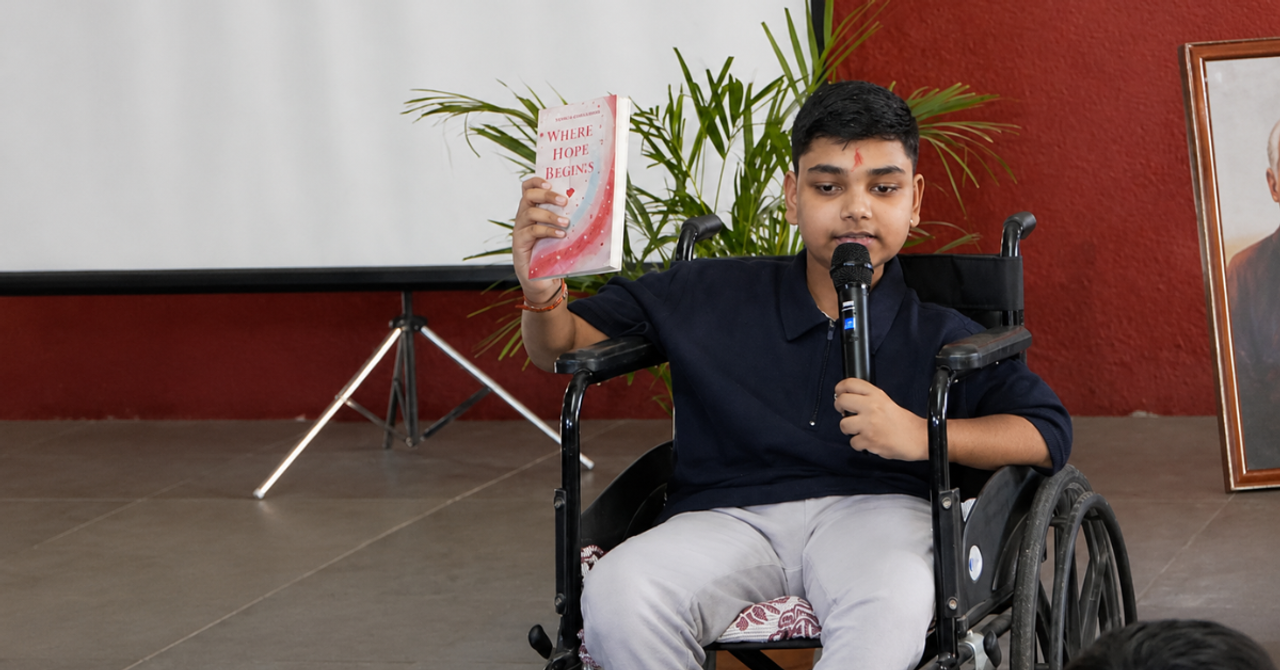
Before his accident, Pratik was a lively child known for his humor. Recovery confined him indoors, where he turned to writing and art as healing outlets. His published book, Where Hope Begins, shares poems and reflections from this period.
Inspired by a conversation with his sister, Pratik conceptualized StairlessJourney as a means to help others overcome barriers he knows well. The project evolved from an Instagram page into an organized effort backed by a team of dedicated volunteers.
Operations and Teamwork Behind StairlessJourney
The initiative’s 13-member volunteer team includes people with disabilities, students, and young professionals who contribute through research, content generation, outreach, and on-site verification.
Accessibility Verification Process
- Completion of a checklist covering ramps, parking, seating, and movement ease.
- In-person assessment by Accessibility Ambassadors aged 20 to 25, who test comfort and navigation.
- Production of videos demonstrating key accessibility features.
Many team members discovered the project via LinkedIn or through current volunteers, reflecting growing community engagement.
Growth, Impact, and Community Engagement
The mapped locations largely consist of cafés and restaurants, venues that are frequently visited but often lack consistent accessibility features.
Each week, the team researches and verifies new sites and collaborates with business owners before bringing places to the platform.
Popular mapped venues include Pineapple Villa in Goa, The Yellow Turtle in Kolkata, and The Sassy Spoon in Pune.
By reducing uncertainty about accessibility, StairlessJourney helps users explore their cities confidently. As one wheelchair user from Pune noted, “Finding StairlessJourney made it easier to find places where I could go safely.”
Beyond mapping, the initiative has hosted online seminars addressing inclusive infrastructure, legal frameworks, education, and activism. Its screening of the disability-centered short film Fragile fostered dialogue among students, advocates, and organizations nationwide.
Challenges and Future Prospects
Balancing school, personal recovery, and managing an expanding project is demanding. Pratik often faces skepticism regarding his age and capacity to sustain the work, but he counters these doubts by highlighting tangible results.
He plans to continue formal education via open schooling following a gap year and envisions expanding StairlessJourney to Mumbai by 2026.
Recognizing that a digital map cannot solve all issues, Pratik emphasizes its role in minimizing uncertainty, saving time, and facilitating easier city navigation.
On any typical day, StairlessJourney restores a vital freedom many take for granted: the choice to step outside without fear.