








From Steel To Textile, These Items To Become Cheaper After US SC Blocks Trump Tariff; How Will Indian Traders Get Benefits?
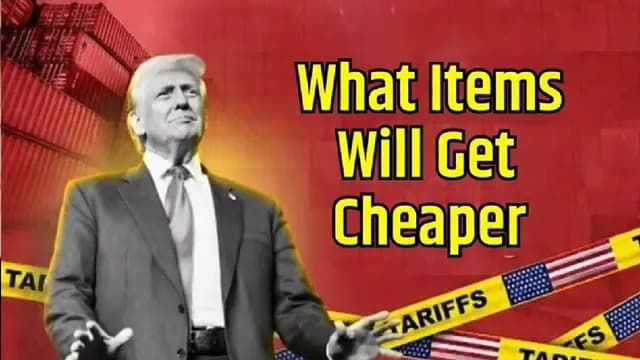
The United States Supreme Court dealt a significant setback to former President Donald Trump by declaring his imposed tariffs illegal. In a 6-3 decision, the Court ruled that Trump exceeded his authority under the International Emergency Economic Powers Act (IEEPA) when he levied tariffs ranging from 10% to 50% on various countries, including India.
Implications for Indian Trade
If these tariffs are fully removed or drastically lowered, India stands to gain considerably. The US is India’s largest export destination, and the previous high tariffs increased the cost of Indian products, reducing demand.
With prices set to fall in the American market, Indian exports are expected to increase, potentially creating more jobs, especially in labor-intensive industries.
Key Benefits for India
India is likely to see several advantages as a result of this ruling:
- Growth in exports, especially in textiles, gems and jewelry, leather goods, and chemicals
- Increased investment by Indian businesses in the US market
- Reduced pressure on the Indian rupee and a stronger national economy
- Potential refunds for tariffs previously paid by companies
Products Becoming More Affordable in the US
Several sectors affected by tariffs ranging from 25% to 50% stand to benefit, including:
- Textiles and apparel (ready-made garments, cotton clothing)
- Gems and jewelry (diamonds, gold ornaments)
- Leather and footwear
- Organic chemicals
- Automobile components
- Home décor and handicrafts
- Seafood such as shrimp
- Furniture and sporting goods
With reduced costs, American buyers are likely to increase purchases of Indian goods, even though some sectors like pharmaceuticals were already exempt from tariffs. Industry experts view this ruling as a major blow to former President Trump’s trade policies and a relief to global commerce.
Legal and Policy Clarifications
The Supreme Court’s decision also clarifies the legal boundaries around reciprocal tariffs, providing certainty and limiting the president’s unilateral ability to impose such trade measures.
Previously, under an interim agreement, the US had lowered reciprocal tariffs on Indian products to 18%, but this arrangement is rendered less relevant following the Court’s judgment.
Manoj Mishra, Partner and Tax Controversy Management Leader at Grant Thornton Bharat, noted that any future attempt to impose similar tariffs would require Congressional approval.
This development is expected to give Indian exporters a competitive advantage and may open the door to potential tariff refunds collected without proper legal authorization.
Supreme Court’s Ruling
The Court’s majority opinion, authored by Chief Justice John Roberts, affirmed that the 1977 IEEPA does not grant the president the authority to impose tariffs. Roberts stated, Our task today is to decide only whether the power to regulate importation, as granted to the president in IEEPA, embraces the power to impose tariffs. It does not.
Key Takeaways
- The US Supreme Court ruled Trump’s tariffs illegal under IEEPA.
- Removal or reduction of tariffs will benefit Indian exports significantly.
- Multiple product sectors such as textiles, gems, chemicals, and leather will become more competitive in the US market.
- Legal precedent limits the president’s authority to impose unilateral tariffs, requiring Congressional approval in the future.
- The ruling may lead to tariff refunds and strengthen Indo-US economic relations.
![[object Object]](/_next/image?url=https%3A%2F%2Fcms.msmestory.com%2Fwp-content%2Fuploads%2F2026%2F08%2Fog-23.webp&w=3840&q=75)
![[object Object]](/_next/image?url=https%3A%2F%2Fcms.msmestory.com%2Fwp-content%2Fuploads%2F2026%2F08%2Fog-43.jpg&w=3840&q=75)
![[object Object]](/_next/image?url=https%3A%2F%2Fcms.msmestory.com%2Fwp-content%2Fuploads%2F2026%2F08%2Fog-9.png&w=3840&q=75)
![[object Object]](/_next/image?url=https%3A%2F%2Fcms.msmestory.com%2Fwp-content%2Fuploads%2F2026%2F08%2Fog-13.jpg&w=3840&q=75)
![[object Object]](/_next/image?url=https%3A%2F%2Fcms.msmestory.com%2Fwp-content%2Fuploads%2F2026%2F08%2Fog-2.png&w=3840&q=75)