




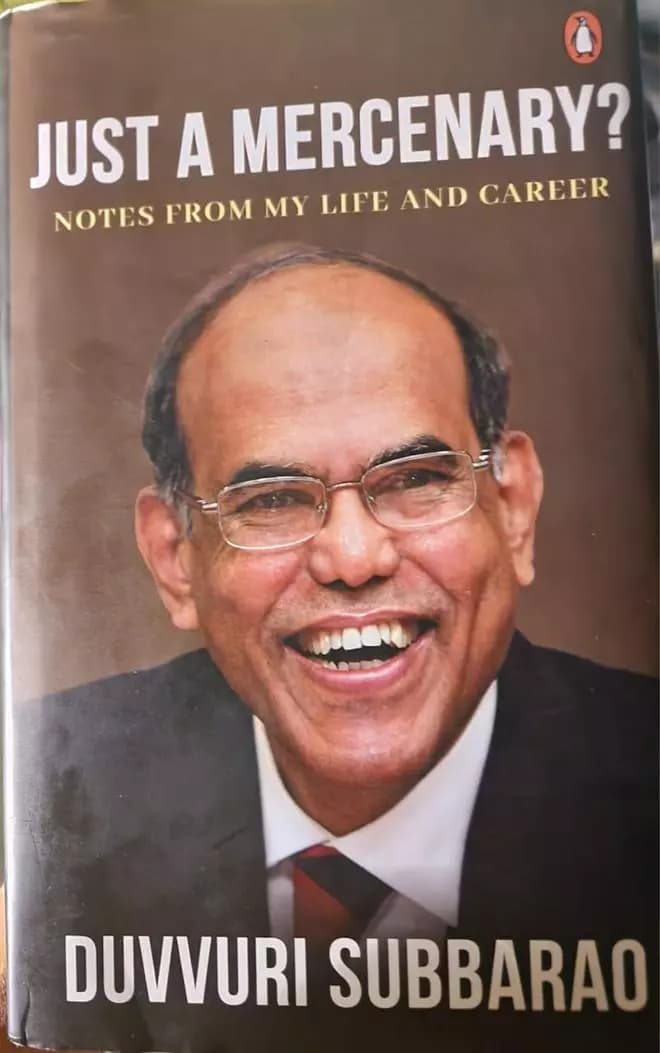
Former RBI Governor Duvvuri Subbarao has emphasized the need for the Reserve Bank of India to further advance the internationalisation of the Indian rupee. In a recent interaction with businessline while promoting his latest book, ‘Just a Mercenary?—Notes from my life and career, Subbarao suggested that the RBI should adopt a less interventionist approach in the foreign exchange market.
Key Points Discussed:
- The advice from Prime Minister Narendra Modi regarding enhancing the international acceptability of the rupee.
- The necessity to remove capital controls and allow for greater autonomy in RBI’s operations.
- The concept of capital account convertibility and the importance of India’s independent roadmap.
Challenges and Opportunities:
Subbarao acknowledged that transitioning towards a more globalised rupee would require concerted efforts and structural adjustments. He emphasized the significance of the RBI gradually reducing its interventionist tendencies to facilitate this shift.
Demystifying Economic Policies:
In addition to discussing the internationalisation of the rupee, Subbarao highlighted the crucial role of the government and financial regulators in simplifying economic policies for the general public. This approach includes explaining complex concepts like the Goods and Services Tax (GST) in a more accessible manner.
Transparency and Accountability:
Subbarao stressed the importance of transparent communication regarding budget allocations and the impact of economic policies on various sectors. He cited the Bank of England’s practice of townhall meetings as a model for enhancing public understanding and demanding accountability from financial institutions.
Effective Communication for Informed Decision-Making:
By adopting clearer communication strategies, policymakers can not only ensure public comprehension but also foster better governance and political credibility. Subbarao underlined the need for disseminating information on matters like foreign direct investment (FDI) and government expenditures to enhance public awareness and participation.
![[object Object]](/_next/image?url=https%3A%2F%2Fcms.msmestory.com%2Fwp-content%2Fuploads%2F2026%2F08%2Fog-23.webp&w=3840&q=75)
![[object Object]](/_next/image?url=https%3A%2F%2Fcms.msmestory.com%2Fwp-content%2Fuploads%2F2026%2F08%2Fog-43.jpg&w=3840&q=75)
![[object Object]](/_next/image?url=https%3A%2F%2Fcms.msmestory.com%2Fwp-content%2Fuploads%2F2026%2F08%2Fog-9.png&w=3840&q=75)
![[object Object]](/_next/image?url=https%3A%2F%2Fcms.msmestory.com%2Fwp-content%2Fuploads%2F2026%2F08%2Fog-13.jpg&w=3840&q=75)
![[object Object]](/_next/image?url=https%3A%2F%2Fcms.msmestory.com%2Fwp-content%2Fuploads%2F2026%2F08%2Fog-2.png&w=3840&q=75)