









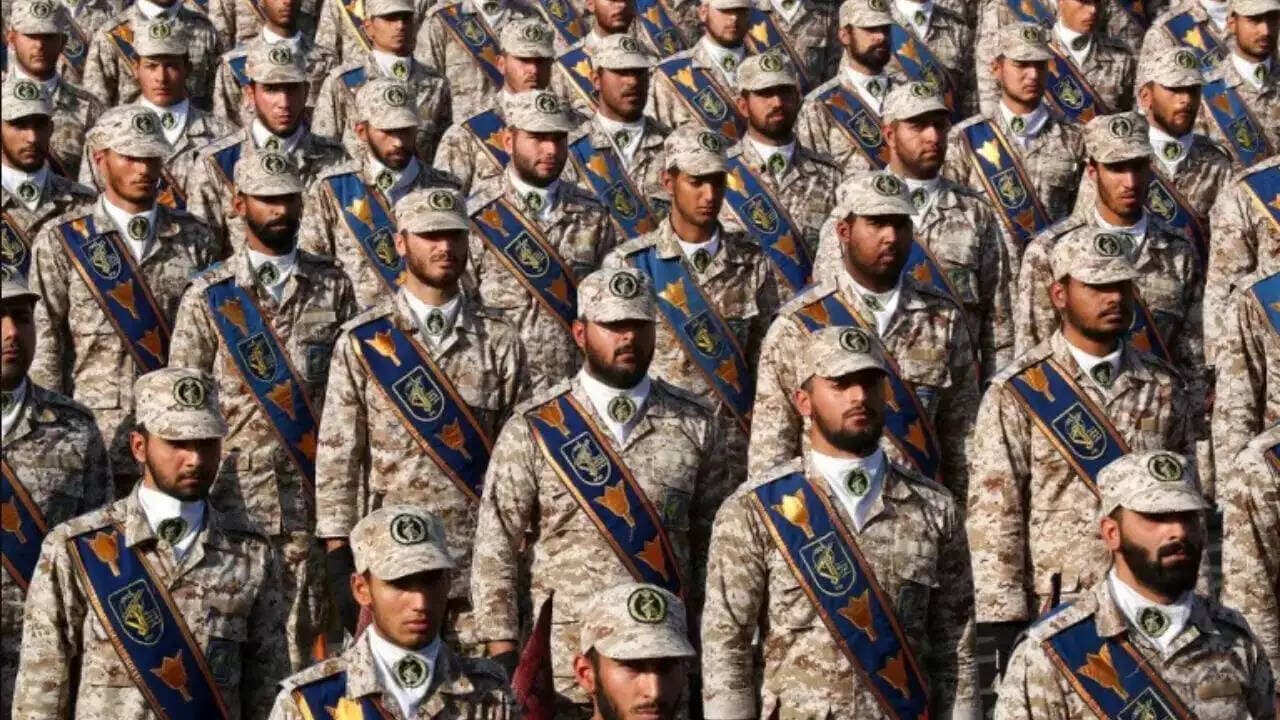
Escalating Tensions in the Strait of Hormuz: Iran and US Face Off
Recent military clashes between Iran and the United States have intensified tensions in the Strait of Hormuz, threatening a recently agreed memorandum of understanding (MoU) between the two nations. These incidents include missile strikes by Iran targeting US military bases and a US-facilitated agreement allowing Israeli troops in southern Lebanon, complicating regional stability.
Missile Strikes and Military Retaliation
The Islamic Revolutionary Guard Corps (IRGC) of Iran released footage showing ballistic missiles striking US military sites, including the Ali Al Salem Air Base in Kuwait and the US Fifth Fleet headquarters in Bahrain. These strikes were reportedly in retaliation for earlier US attacks on Iranian forces. The IRGC has warned of additional responses should the US violate the agreement again.
Shipping Route Disruptions in the Strait of Hormuz
In response to these heightened security concerns, the US, Oman, and the International Maritime Organization have rerouted commercial shipping around Iranian-controlled waters in the Strait of Hormuz. Iran retaliated by attacking a container ship and an oil tanker with explosive drones, seeking to reassert control over shipping lanes.
Diplomatic Statements and Regional Security Dynamics
Iranian Foreign Minister Abbas Araghchi, during a visit to Iraq, stated that Iran will maintain exclusive navigation control over the Strait of Hormuz for 30 days before normal maritime transit resumes. He emphasized a clause in the Iran-US memorandum calling for a permanent halt to military operations, including in Lebanon, urging the US to pressure Israel to stop its military activities in southern Lebanon.
The situation is further complicated by a US-negotiated agreement allowing Israeli troops to remain in southern Lebanon until Hezbollah is disarmed. Iranian officials argue that this contradicts the Iran-US memorandum, while Hezbollah has rejected the agreement, labeling it a surrender of Lebanese sovereignty. Experts warn this disagreement could undermine the overall Iran-US accord.
Strategic Importance of the Strait of Hormuz
Foreign policy analysts view Iran’s assertion of control over the Strait of Hormuz as a strategic bargaining tool. This crucial waterway facilitates global oil shipments, and any disruption raises international market pressures and political challenges for the US and its allies. Iran aims to establish itself as the primary authority over maritime traffic through the strait, diverging from prior practices.
Domestic Political Responses in Iran
Iranian political leaders, including President Masoud Pezeshkian, Parliament Speaker Mohammad Bagher Ghalibaf, and Judiciary Chief Gholam-Hossein Mohseni-Ejei, held a public meeting for the first time since the conflict’s onset. Supreme Leader Mojtaba Khamenei, successor to Ayatollah Ali Khamenei, promised repercussions for those responsible for attacks on Iran.
Supporters have praised the recent IRGC strikes, while hardline politicians call for stronger responses to the US and Israel. Some conservative factions advocate for closer military cooperation with Russia and China to counterbalance American influence in the Middle East.
Economic Impact of Renewed Hostilities
The renewed conflict has destabilized Iran’s markets. Following two nights of missile strikes, the Iranian rial depreciated significantly from earlier gains, trading at approximately 1.7 million rials to the US dollar on Tehran’s open market. The Tehran Stock Exchange dropped over 100,000 points in a single session.
Business owners report disruptions including shortages and rising prices, especially in Tehran’s Grand Bazaar, notably affecting imported car parts. These economic impacts raise concerns about the risk of full-scale conflict despite ongoing diplomatic efforts.
Key Takeaways
- Tensions in the Strait of Hormuz have escalated due to military clashes between Iran and the US.
- Iran’s missile strikes target US military bases as retaliation for prior attacks.
- Shipping routes are being rerouted, with Iran enforcing control over maritime traffic.
- Disagreements over Lebanese security arrangements challenge the Iran-US memorandum.
- Economic instability in Iran is growing amid renewed hostilities.
While the Iran-US memorandum initially eased tensions, recent events have cast doubt on its durability and the future stability of the region.
![[object Object]](/_next/image?url=https%3A%2F%2Fcms.msmestory.com%2Fwp-content%2Fuploads%2F2026%2F08%2Fog-23.webp&w=3840&q=75)
![[object Object]](/_next/image?url=https%3A%2F%2Fcms.msmestory.com%2Fwp-content%2Fuploads%2F2026%2F08%2Fog-43.jpg&w=3840&q=75)
![[object Object]](/_next/image?url=https%3A%2F%2Fcms.msmestory.com%2Fwp-content%2Fuploads%2F2026%2F08%2Fog-9.png&w=3840&q=75)
![[object Object]](/_next/image?url=https%3A%2F%2Fcms.msmestory.com%2Fwp-content%2Fuploads%2F2026%2F08%2Fog-13.jpg&w=3840&q=75)
![[object Object]](/_next/image?url=https%3A%2F%2Fcms.msmestory.com%2Fwp-content%2Fuploads%2F2026%2F08%2Fog-2.png&w=3840&q=75)