





Addressing Vegetable Spoilage in India’s High Temperatures
Nearly 40 percent of fruits and vegetables in India spoil before reaching the market during the high summer months, leading to significant financial losses for vendors forced to sell at reduced prices. This widespread spoilage also contributes heavily to food waste across the country.
The Birth of the ColdEasy Box
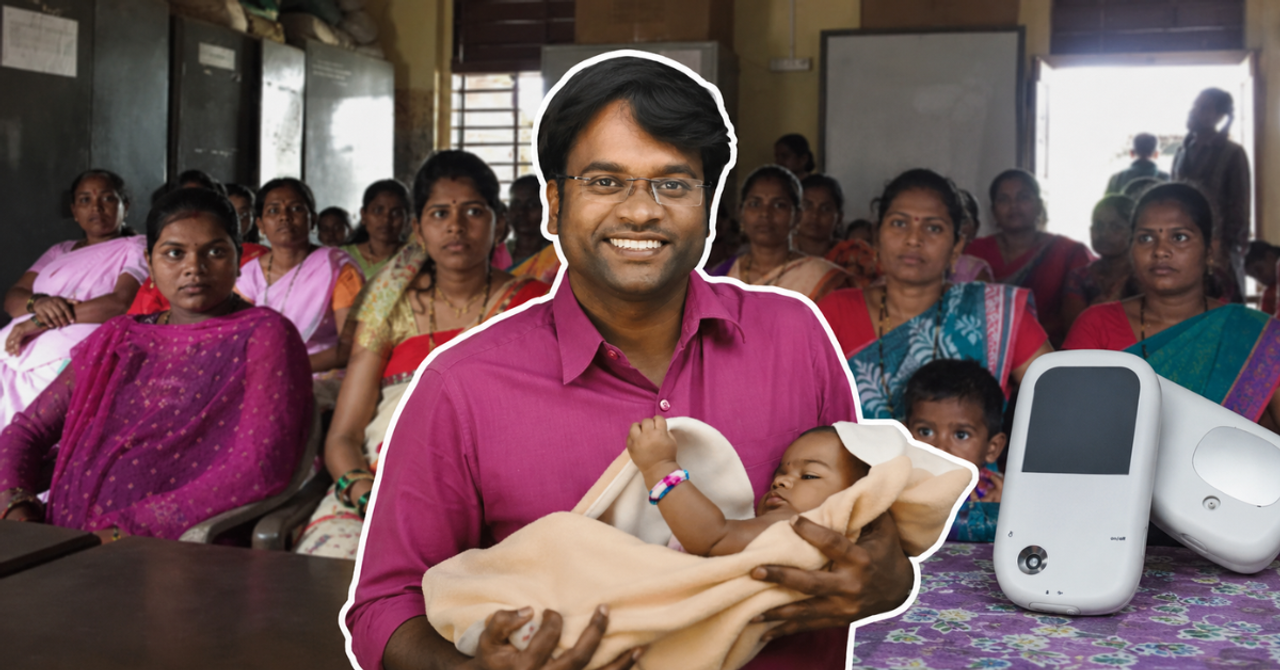
Seeing this challenge firsthand, Vishal Singhal, an expert with 15 years of experience in cooling technology, returned to India with a clear mission: to develop practical solutions for farmers and vendors facing daily produce spoilage.
His innovation, the ColdEasy Box, is a portable cooling crate that preserves vegetables without requiring electricity or refrigerators.
How the ColdEasy Box Works
The crate employs a natural cooling method. By adding water, the evaporation process cools the interior gradually. This system maintains vegetable freshness by keeping them firm and preventing moisture loss, which often causes weight reduction and deterioration.
“The ColdEasy Box’s design eliminates the need for wires, compressors, or moving parts, relying solely on water evaporation to maintain an optimal environment for fresh produce.”
Affordability and Impact for Small Vendors
Priced at Rs 3,500, the ColdEasy Box is accessible for small-scale vendors. It provides a convenient solution to store, transport, and sell vegetables without spoilage concerns, thereby protecting vendors’ daily income that is vulnerable to heat and lack of refrigeration.
Development and Real-World Application
The creation of the ColdEasy Box involved extensive testing and research to ensure its reliability in everyday market conditions beyond laboratory settings. It represents not a complex technological breakthrough but a straightforward tool designed to meet genuine needs.
Relevance Amid Rising Global Temperatures
With global temperatures increasing and food waste magnifying, innovations like the ColdEasy Box offer crucial hope. They empower street vendors to more effectively safeguard their produce and livelihoods against environmental challenges.