



A Heritage of Flute-Making in Pilibhit
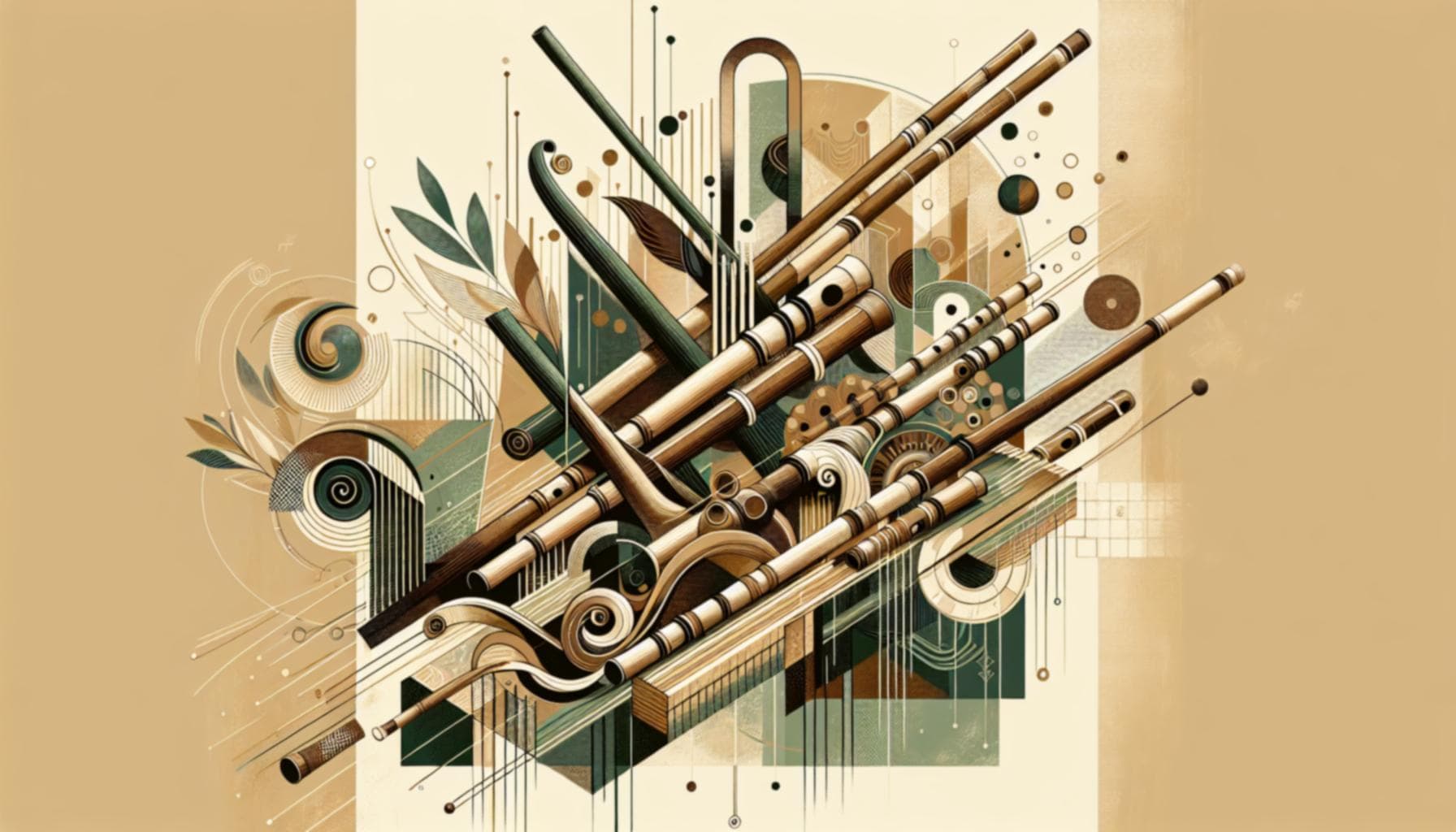
In Pilibhit, a district in Uttar Pradesh, the bamboo bansuri is more than just a musical instrument; it symbolizes a living family craft passed through generations. These flutes serve as central elements at fairs, religious events, and among professional musicians seeking precise sound quality. The influence of Pilibhit’s bamboo flutes extends well beyond the district’s borders.
A Family’s Story: Mohammad Shafiq and Shahji Flute Maker
Among the artisans preserving this tradition is Mohammad Shafiq, who manages Shahji Flute Maker. As the third generation in his family to craft bamboo flutes, Shafiq was immersed in the world of flute-making from an early age surrounded by bamboo and unfinished instruments. He reflects,
“This work was always around us. We did not choose it—it became part of us.”
Choosing the Right Bamboo
According to Shafiq, the flute-making process begins with selecting the appropriate bamboo, as the sound quality relies heavily on this choice. Top-tier bansuris are crafted from bamboo that is round, smooth, and free from cracks. After harvesting, the bamboo undergoes drying and sorting. Bamboo of lesser quality is used for flutes intended for fairs, while the finest bamboo is reserved for instruments tuned precisely for skilled musicians.
He emphasizes, “Material decides the music. If the bamboo is not right, the sound will not stay steady.”
Careful Measurements for Perfect Tuning
Once the bamboo tube is selected, precise markings are applied before drilling the finger holes. The flute’s length and diameter determine its musical scale—for instance, a flute measuring 19 inches in length and 19 millimeters in width creates a specific tone.
The flute is then polished to enhance both grip and appearance. Tuning is verified with a meter and adjusted until a clear sound is achieved. Additionally, women in the community often decorate the flutes with silk thread wrapping, contributing to the instrument’s aesthetic appeal and providing supplementary income to families.
Support and Sales from Local to Global
Thanks to Uttar Pradesh’s One District One Product (ODOP) initiative, local flute makers receive loans and opportunities to showcase their work at exhibitions. Shafiq notes that practical support matters greatly, adding that simple, precise tools such as sharp knives and measuring scales are more crucial than heavy machinery.
Flutes crafted in Pilibhit are sold throughout India and reach international buyers, including markets in the United States. Many orders request custom musical scales and special tunings tailored to individual needs.
The Sound That Keeps Tradition Alive
For Shafiq, the defining feature is the flute’s sound quality. He explains, “If the bansuri gives a mithi awaaz—a sweet, melodious tone—people return.”
This musical sound forges a link between three generations working together in the same workshop, sustaining the strength and vibrancy of their family craft in Pilibhit.