









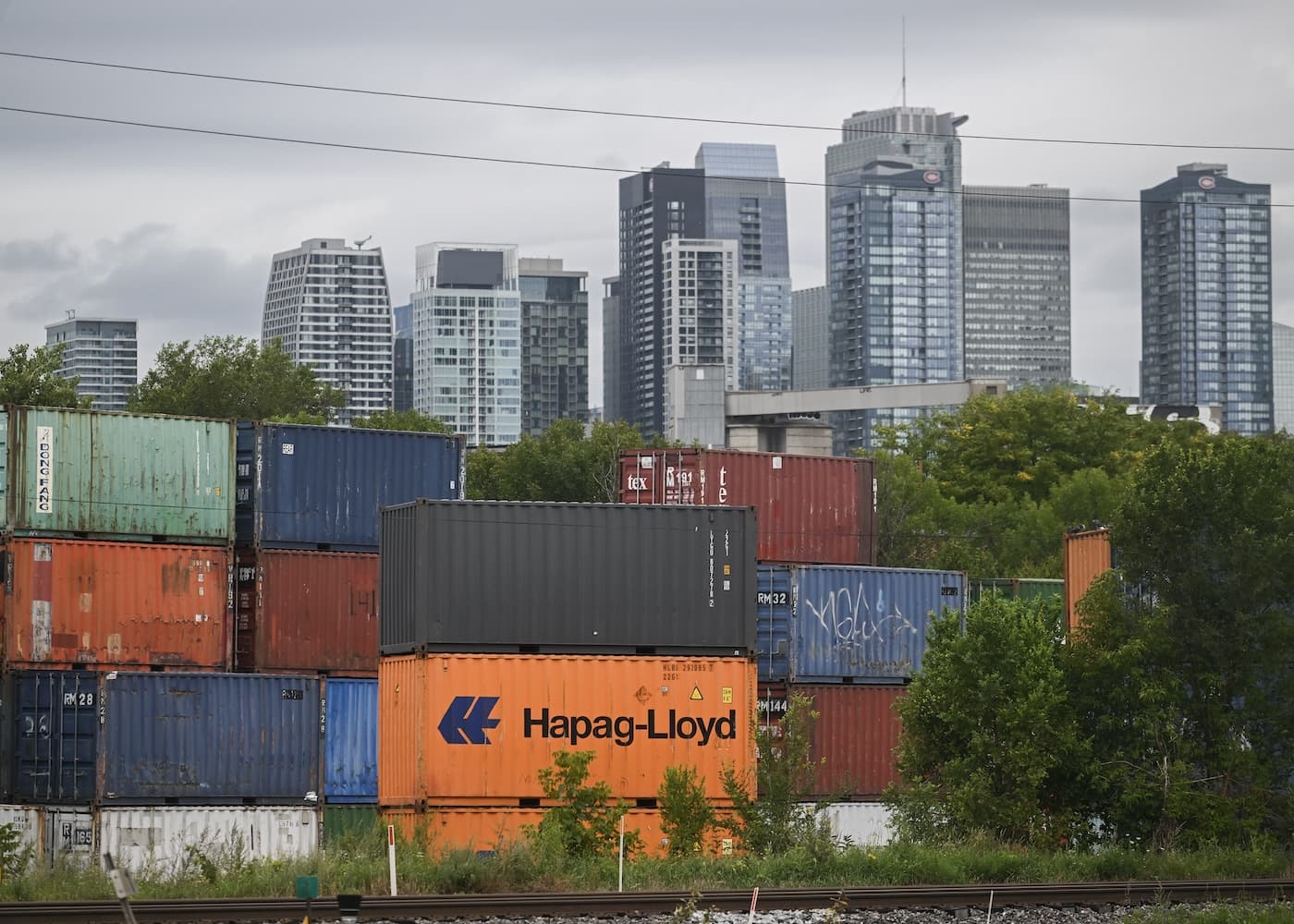
Canada-US Tariff Fight Threatens to Throw Cross-Border Freight Out of Balance
The ongoing trade conflict between Canada and the United States is poised to disrupt the balance of freight transportation across their shared border. This disruption could cause an uneven flow of goods and equipment, impacting businesses and supply chains on both sides.
New Tariffs Set to Take Effect
Starting September 8, 2026, Canada plans to implement retaliatory tariffs ranging from 15% to 50% on over 700 products. These include categories such as apparel, electronics, appliances, steel, dairy, furniture, and aluminum. The tariffs specifically target items affected by U.S. Section 338 and Section 232 tariffs.
These Canadian tariffs are designed to mirror the U.S. duties imposed on $20 billion worth of Canadian exports that began on August 22, following the collapse of last-minute trade negotiations.
Industry Response and Impact on Freight Movement
The Airforwarders Association (AfA) has urged government officials from both nations to resume dialogue to prevent further escalation. The association emphasizes that additional tariffs could increase costs for businesses, disrupt supply chains, hamper investment, and threaten employment.
So far, Freight Right Global Logistics reports that recent tariff implementations have not significantly altered shipping activities or booking patterns. However, previous rounds of tariffs have already led to noticeable changes:
- 83% of surveyed forwarders reported declines in shipping volumes directly linked to U.S. tariffs.
- More than half observed changes to supply chains and shipping routes.
The Canadian Trucking Alliance warns that declining Canadian exports to the U.S. may reduce southbound freight volumes. This could leave Canadian trucks stranded in the U.S. due to insufficient loads for return trips, which would increase operational challenges and costs for transport companies on both sides of the border.
Business Adjustments and Economic Consequences
A July survey by Purolator of 348 logistics decision makers across North America revealed significant adaptations by businesses in response to tariffs:
- 51% have altered shipping routes.
- 53% have changed suppliers.
- 52% have adopted strategic customs practices.
- 68% of Canadian companies modified cross-border shipping.
- 55% decreased reliance on U.S. suppliers.
- 43% relocated warehouse or processing facilities to Canada.
Overall, 74% of businesses report moderate to significant impacts on business planning, with an average 23% revenue decline attributed to tariffs. More than half have lost customers, with Canadian retailers experiencing a higher rate of customer loss (70%) compared to U.S. retailers (41%).
Consumer Price Effects and Trade Agreement Uncertainty
The trade dispute is also expected to increase consumer costs in both countries. The Yale Budget Lab estimates that U.S. households face annual tariff-related costs of about $1,100, with new Canadian tariffs adding approximately $30.
In Canada, Oxford Economics forecasts these tariffs will raise consumer prices by 0.3 percentage points in 2027, heightening cost pressures for consumers.
This uncertainty emerges amid ongoing negotiations related to the United States-Mexico-Canada Agreement (USMCA). The USMCA supports nearly $2 trillion in annual trade across North America. Mexico’s role remains unsettled due to ongoing talks over rules and provisions, but it has become a critical alternative for supply chain adjustments. Many companies, including Canadian firms, are relocating distribution and manufacturing operations to Mexico.
Calls for Resolution
Brandon Fried, executive director of the Airforwarders Association, emphasized the importance of preserving integrated North American economies and supply chains. He urged resolving trade disputes through negotiations rather than escalating tariffs.
The current cross-border friction highlights the interconnected nature of commercial transportation and trade. Prolonged tariff conflicts pose risks to logistics, businesses, and consumers across Canada and the U.S.
Key Takeaways
- Canada plans retaliatory tariffs of 15% to 50% on over 700 products starting September 8, 2026.
- These tariffs mirror U.S. duties on $20 billion of Canadian exports imposed earlier in August.
- Additional tariffs risk raising costs, disrupting supply chains, and harming employment.
- Businesses are adapting by altering routes, suppliers, and warehouse locations, mainly impacting Canadian companies.
- Consumer costs in both countries are expected to rise as a result of ongoing tariff measures.
- Trade uncertainty persists amid USMCA negotiations and shifting supply chain strategies towards Mexico.
- Industry leaders call for renewed dialogue to prevent further escalation and maintain integrated North American trade.
![[object Object]](/_next/image?url=https%3A%2F%2Fcms.msmestory.com%2Fwp-content%2Fuploads%2F2026%2F09%2Fog-28.jpg&w=3840&q=75)
![[object Object]](/_next/image?url=https%3A%2F%2Fcms.msmestory.com%2Fwp-content%2Fuploads%2F2026%2F09%2Fog-7.webp&w=3840&q=75)
![[object Object]](/_next/image?url=https%3A%2F%2Fcms.msmestory.com%2Fwp-content%2Fuploads%2F2026%2F09%2Fog-25.jpg&w=3840&q=75)
![[object Object]](/_next/image?url=https%3A%2F%2Fcms.msmestory.com%2Fwp-content%2Fuploads%2F2026%2F09%2Fog-12.png&w=3840&q=75)
![[object Object]](/_next/image?url=https%3A%2F%2Fcms.msmestory.com%2Fwp-content%2Fuploads%2F2026%2F09%2Fog-10.png&w=3840&q=75)