



In the remote hills of Jharkhand, farmers face relentless threats to their crops from wildlife. One innovative solution has emerged from an unexpected source—a 17-year-old student who designed a smart AI device to safeguard farmers’ livelihoods. This article explores the challenges faced by farmers, the technology behind the breakthrough, and its impact on the community.
The Daily Struggles of Farmers in Rasabeda
“At night, we would huddle together in the fields, taking turns to keep watch,” recounts Cheata, reflecting the weight of many years of hardship. Despite their efforts—shouting, throwing stones, waving hands—monkeys remained undeterred, and elephants quietly destroyed crops by morning. Entire harvests were lost, crushing the hopes of the villagers.
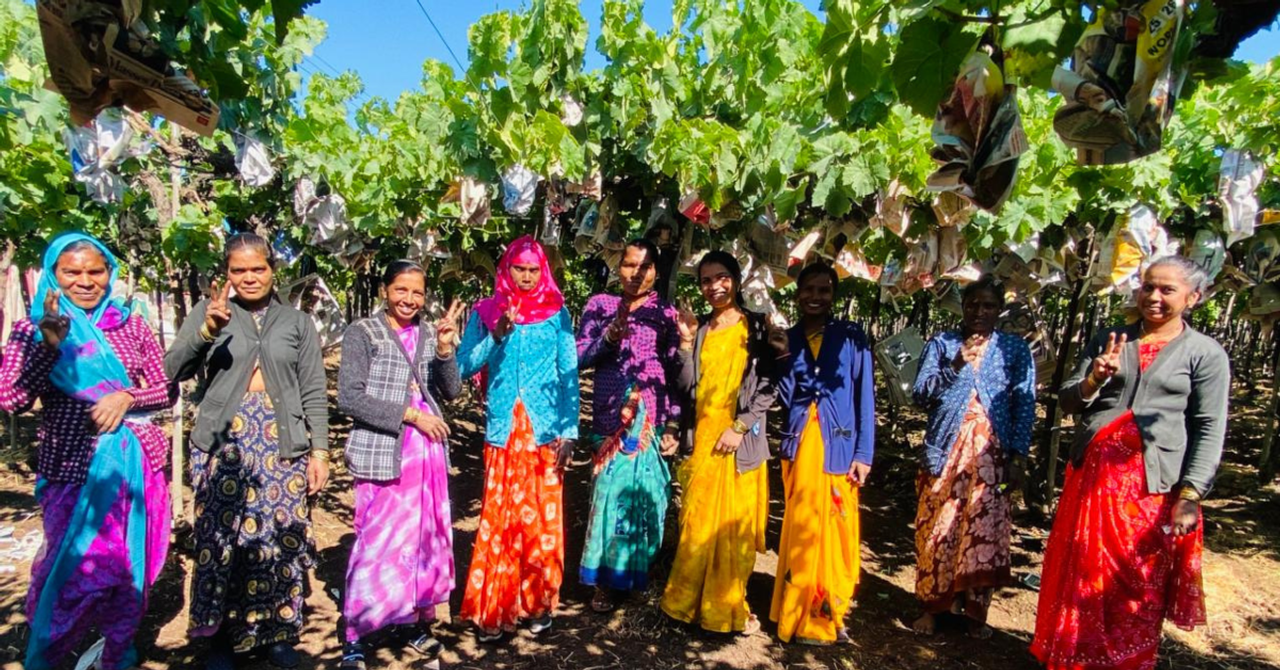
Rasabeda is a small, isolated village connected only by a narrow rocky trail and a long walk. Farming is central to life, and even small crop losses threaten survival. Daytime raids by monkeys steal fruit and grain with precision, while elephants trample fields at night. This cycle causes sleepless nights and anxiety each season.
Cheata, a 45-year-old farmer, describes the exhausting reality: “When your land is small, every crop matters. Losing even a little hurts, but this was never just a little. Whole parts of our harvest could vanish overnight. Sometimes, we stayed awake for days just to guard what little we had. It was exhausting and scary, and no solution seemed to exist.”
A Growing Problem Without Easy Answers
Human-wildlife conflict is escalating in India’s forested and hilly regions. Traditional deterrents—firecrackers, shouting, electric fences—are often ineffective, costly, or unsafe for animals. This challenging context demanded new, empathetic solutions.
A Young Student Steps Up
Seventeen-year-old Avi Mohan Kumar Shuklaa, studying in Ranchi, was motivated by stories of devastating crop losses, including a neighbor’s loss of nearly one lakh rupees overnight due to elephants. Determined to help, Avi began researching the interactions between humans and wildlife as well as the potential of technology.
“In Jharkhand alone, crores worth of crops are destroyed every year. It’s not just money—it’s about safety, sleep, and peace of mind.” — Avi Mohan Kumar Shuklaa
From Idea to Prototype
With a background in coding and robotics, Avi quickly moved from concept to creation. By September 2025, he developed a first prototype using a microcontroller, vibration sensor, and buzzer. Working from his bedroom, he gained experience overcoming technical challenges, balancing schoolwork, and utilizing online resources and AI research tools to refine his design.
Building Innobox: A Smart Solution
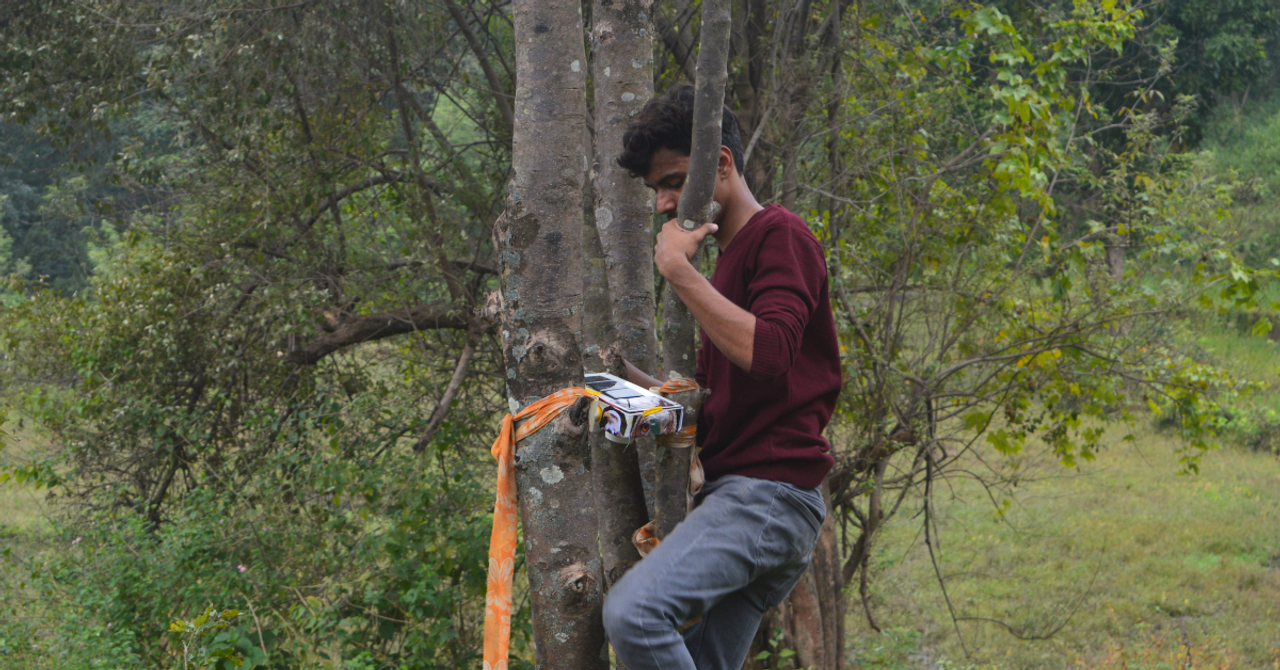
By October 2025, Avi created Innobox, an AI-powered system that detects approaching animals, identifies potential threats, and deters them without harm. The device incorporates four layers of detection and response:
- A seismic sensor that detects ground vibrations from large animals within 50 meters.
- A radar system that confirms the presence of large, slow-moving objects, reducing false alarms.
- An AI camera integrated with an ESP32-S3 microcontroller that identifies species—elephants, monkeys, or others—with over 85% accuracy. The system acts only when all three sensors affirm a threat.
- A 120-decibel siren and strobe light to scare animals away, while simultaneously sending SMS alerts to forest officials and local contacts.
The entire detection and response sequence occurs within 120 milliseconds. Powered by a 10-watt solar panel and rechargeable battery, Innobox operates autonomously for up to 18 months in remote areas without electricity.
Support from Experts and Family
Professor Gaurav Marathe from IIM Ranchi recognized the value of Avi’s work early. He praised the initiative as rare and impactful, noting Avi’s ability to develop and test the device independently. Their collaboration focused on practical considerations such as user acceptance, environmental challenges, and communication with forest authorities.
IIM Ranchi’s support provided vital confidence for deploying Innobox in real-world settings.
Bringing Technology to Rasabeda’s Fields
Deploying Innobox in Rasabeda required transporting devices over rugged terrain. The community’s response was hopeful and engaged. Cheata recalls witnessing a dramatic change when monkeys scattered immediately upon the device’s activation.
“I had never seen them run so fast. Now, I sleep better. I don’t have to guard the fields myself anymore,” he says. The device has helped more than 35 families avoid crop losses worth tens of thousands of rupees, restoring safety and confidence.
Professor Marathe emphasizes the broader impact: “This device does more than protect crops. It gives people dignity and peace. It’s affordable, automatic, and effective—qualities missing before.”
Affordable and Effective Technology
The latest Innobox model, featuring 4G connectivity, AI cameras, and multiple sensors, costs approximately Rs 7,000 to produce in bulk. Avi aims to keep the retail price around Rs 10,000 per unit, with potential subsidies from government contracts covering about 70% of the cost.
This pricing is significantly lower than alternatives; electric fences can cost two to three lakh rupees per kilometer, while commercial AI camera systems often run into several lakhs. Avi notes the government traditionally compensates after damage but invests little in prevention.
“Innobox works automatically without requiring constant human watch, at a fraction of the cost of other technologies,” he explains.
The Journey Continues
Avi is actively collecting data from pilot projects to improve Innobox and expand its coverage, aiming to protect entire elephant corridors with multiple devices per village. Growing interest from governmental and non-governmental organizations signals a clear path toward wider adoption.
In Rasabeda, a renewed sense of hope persists. Cheata concludes, “This young man came, stayed, installed the device, and made sure it worked. That showed us someone cared. Now, we can protect our homes and livelihoods.”
Avi’s story demonstrates that meaningful change can start with recognizing a problem, believing in a solution, and dedicating effort until it makes a real difference on the ground.
All images courtesy Avi Mohan Kumar Shuklaa.