






Trademark Renewal Fees in India: Process & Late Charges (2026 Guide)
Understanding trademark renewal fees in India is essential for businesses that want to keep their brand legally protected. While registering a trademark is a big milestone, maintaining that protection through timely renewal is just as important. Many businesses complete registration but forget that trademark rights last only 10 years, and missing the renewal deadline can put your brand name, logo, or slogan at serious legal risk.
This guide explains trademark renewal fees in India, along with the renewal process, late fee rules, and practical tips to help ensure your trademark protection continues without interruption.
What Is Trademark Renewal?
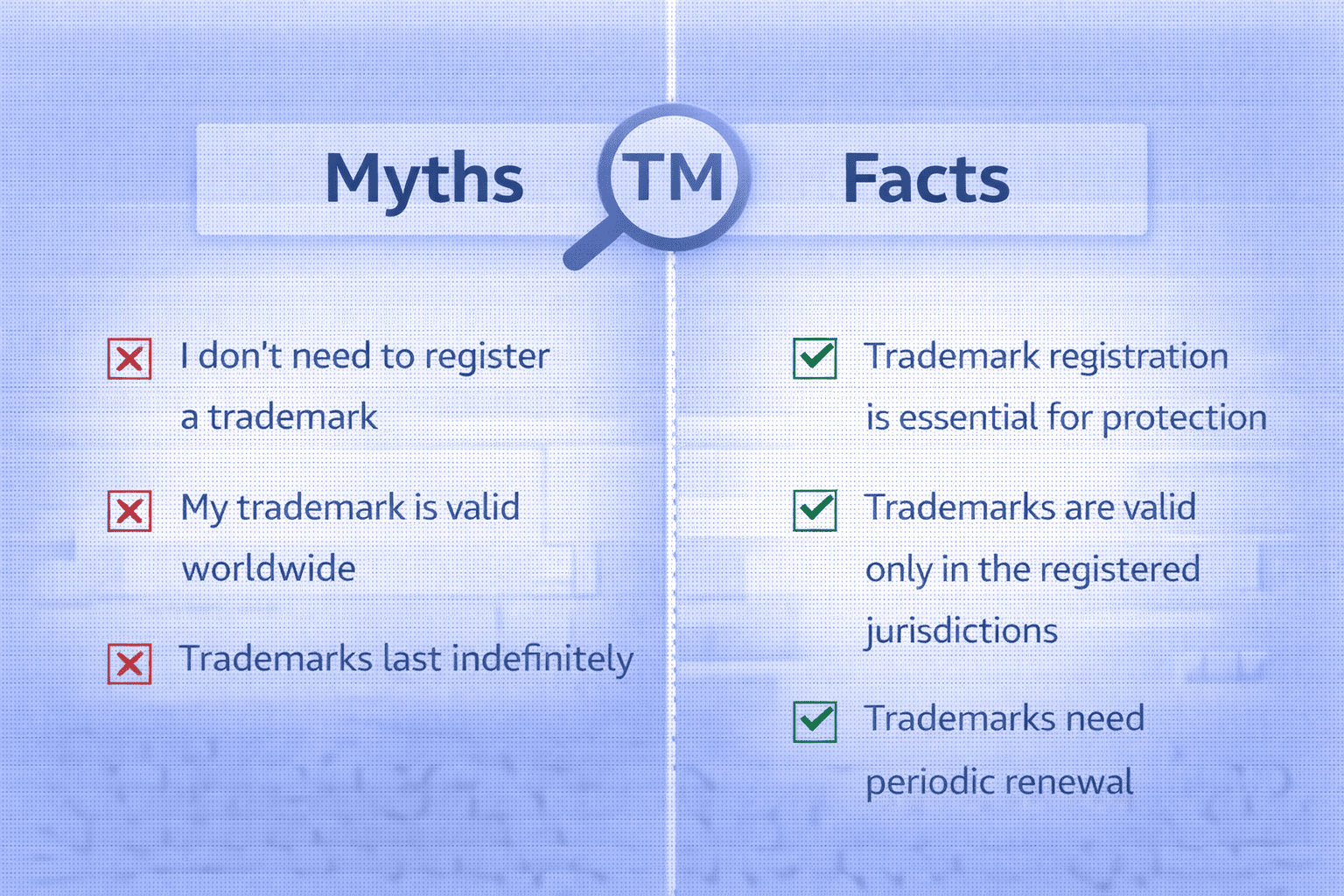
A registered trademark does not last forever. In India, a trademark remains valid for 10 years from the date of registration. To continue enjoying exclusive legal rights over your brand, you must apply for renewal before the registration expires.
Renewing a trademark extends its protection for another 10-year period. There is no limit on how many times a trademark can be renewed, as long as the renewal is filed within the prescribed timelines.
Trademark renewal ensures:
- Continued exclusive ownership of your brand identity
- Legal protection against unauthorized use or infringement
- Valid use of the ® (registered) symbol
- Avoidance of removal from the official trademark register
Without renewal, your legal claim over the mark weakens significantly.
When Should You Renew a Trademark?
Trademark owners have a flexible window for renewal, but acting early is always safer.
You can apply for renewal:
- Within one year before the expiry date (ideal and recommended)
- Within six months after expiry by paying a late fee (grace period)
If you fail to apply within this extended period, the trademark may be removed from the register. Once removed, regaining rights can be complicated, time-consuming, and costly.
Setting reminders well in advance of the expiry date helps avoid last-minute issues.
Trademark Renewal Process (Step-by-Step)
The renewal procedure is straightforward when handled on time. Here’s how it works:
1️⃣ Check the Trademark Expiry Date
Review your registration certificate or trademark records to confirm the registration date and calculate the 10-year validity period.
2️⃣ File Renewal Application (Form TM-R)
Submit the prescribed renewal form (TM-R) with the Trademark Registry. Applications can be filed online through the official portal or physically at the registry office.
3️⃣ Pay the Applicable Government Fee
The renewal fee depends on whether the application is filed on time or during the late period.
4️⃣ Examination by the Registry
The registry reviews the renewal request and verifies the details of the registered proprietor and the trademark.
5️⃣ Confirmation of Renewal
Once approved, the trademark validity is extended for another 10 years, and the renewal is recorded in the official register.
Government Fees for Trademark Renewal
Trademark renewal fees are charged per class, just like during initial registration.
|
Filing Type |
Official Fee (Per Class) |
| On-time online renewal | ₹9,000 |
| On-time physical filing | ₹10,000 |
| Late renewal (within 6 months after expiry) | Additional late fee applies |
Filing online is generally more convenient and slightly less expensive than physical filing.
What Happens If You Miss the Renewal Deadline?
Failing to renew a trademark within the allowed period can have serious consequences:
- The trademark may be removed from the official register
- Your brand may lose legal protection
- Competitors or third parties could apply for a similar or identical mark
- You may have to start the entire registration process again
Although restoration may sometimes be possible, it involves additional legal steps, higher costs, and uncertainty. There is also a risk that someone else may claim rights to a similar mark during the lapse.
Why Timely Renewal Matters
Trademark renewal is not just a procedural requirement — it protects the long-term value of your brand.
Timely renewal:
✔ Preserves brand ownership and exclusivity
✔ Prevents costly legal disputes
✔ Avoids re-registration expenses
✔ Maintains continuous trademark history
✔ Strengthens your position in case of infringement cases
Letting a trademark expire can undo years of brand-building and marketing efforts.
Practical Tips for Businesses
Managing trademark renewals becomes easier with proper planning:
✅ Set calendar reminders at least one year before expiry
✅ Keep contact details and ownership records updated with the registry
✅ Monitor all registered classes associated with your trademark
✅ Maintain copies of renewal acknowledgments and receipts
✅ Seek professional guidance if there has been a change in ownership or business structure
Proactive management ensures there are no gaps in protection.
Final Thoughts
Trademark renewal is a critical legal step that ensures your brand remains protected year after year. While the process is simple when handled on time, delays can lead to penalties, legal complications, or even loss of rights. By tracking renewal dates and understanding the process in advance, businesses can safeguard their trademarks and maintain uninterrupted brand protection.
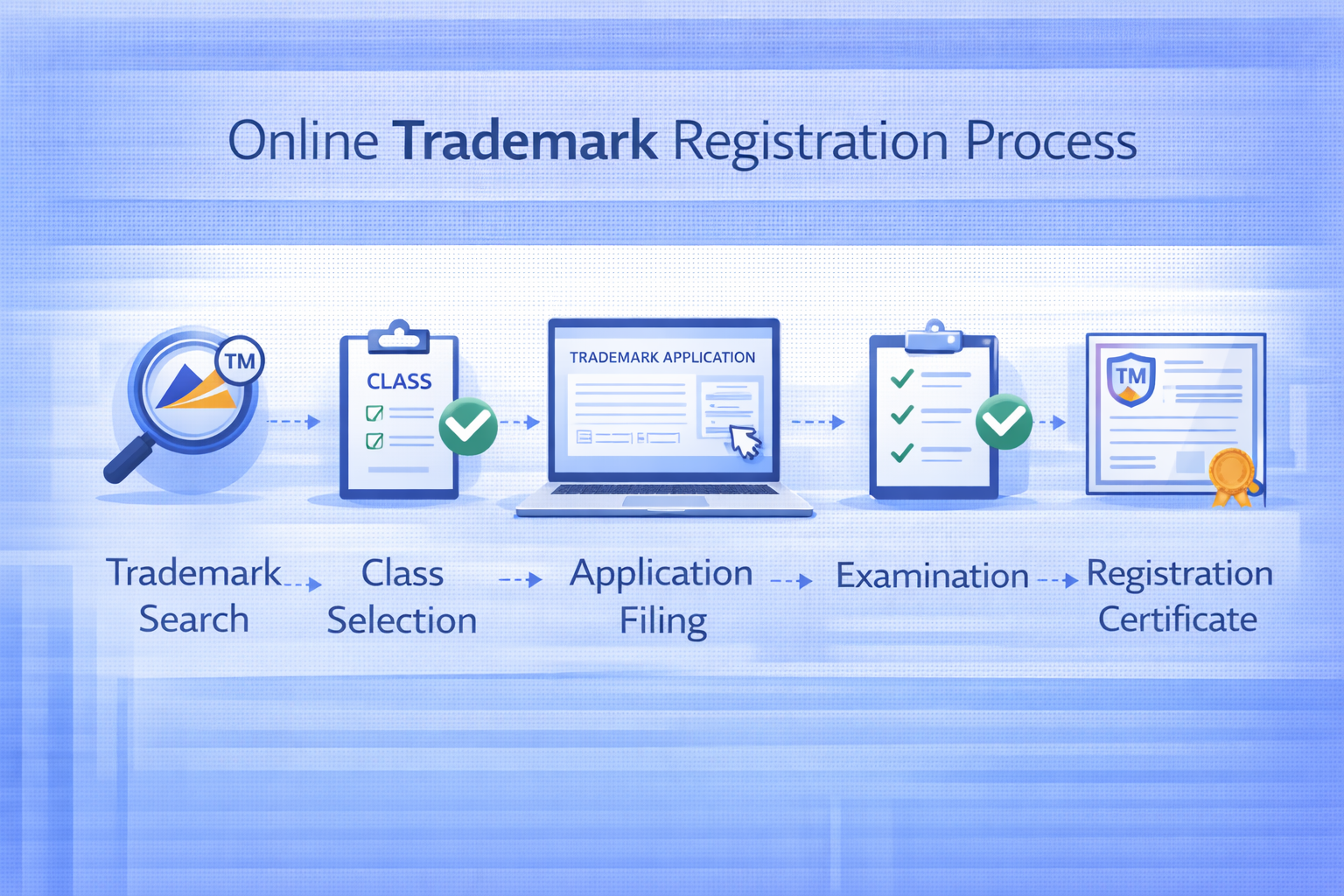
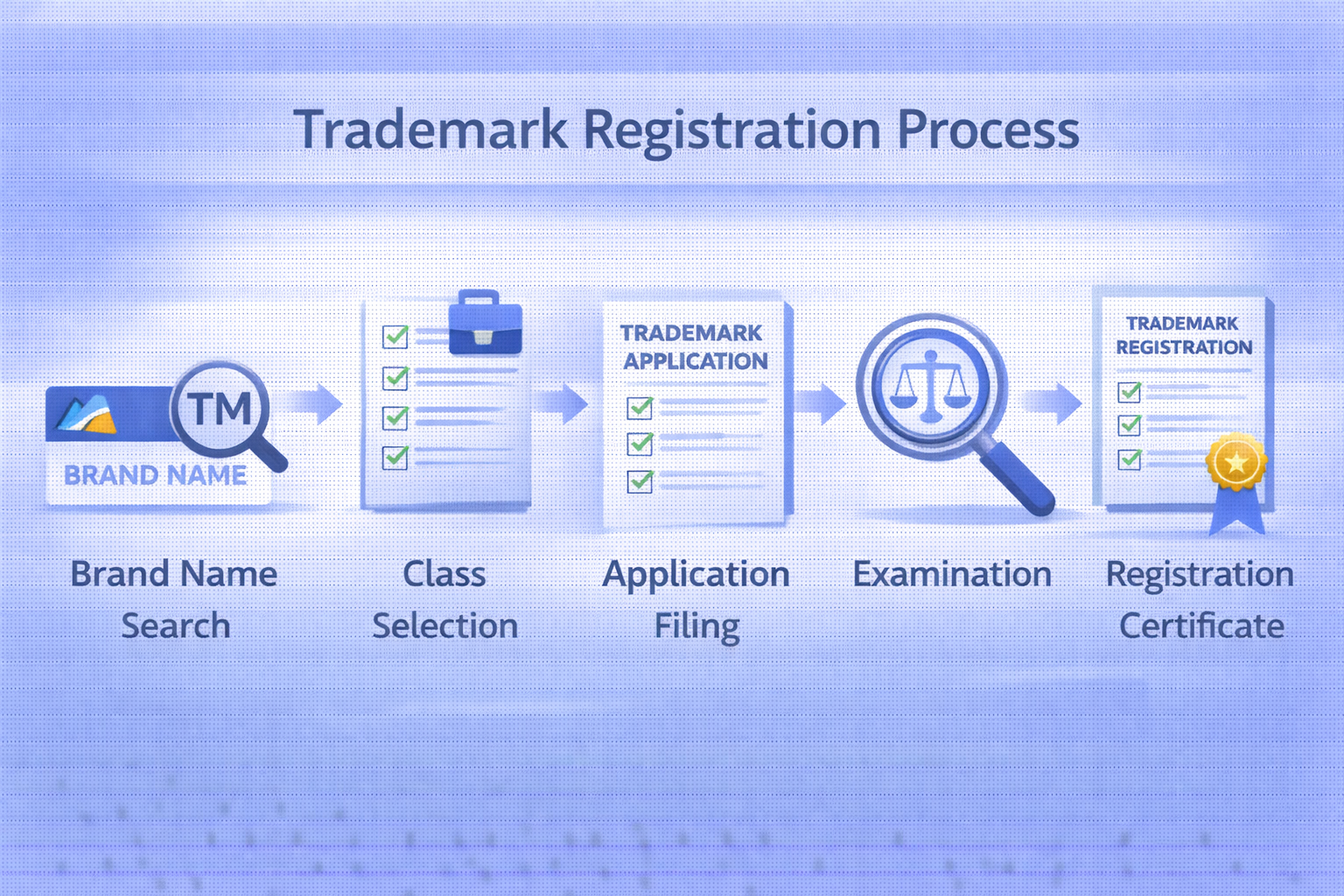
If you’re thinking about future brand protection beyond renewal — or planning to register a new mark altogether — getting professional guidance can save you time and reduce errors. You can explore expert support for online trademark registration in India and get help with trademark search, class selection, filing, and follow-ups here.