








Trademark Registration for Startups & D2C Brands
For startups and D2C (direct-to-consumer) brands, your brand name is often your biggest asset. You may not have factories, big teams, or large funding yet — but you do have a brand that customers recognize and trust. That’s exactly why trademark registration becomes so important, especially in the early stages.
Many founders delay legal protection, assuming it’s something to handle “later.” But in the fast-moving startup and D2C space, waiting can lead to copycats, marketplace issues, and expensive rebranding. Let’s understand why trademark registration matters and how startups can approach it smartly.
Why Startups and D2C Brands Are at Higher Risk
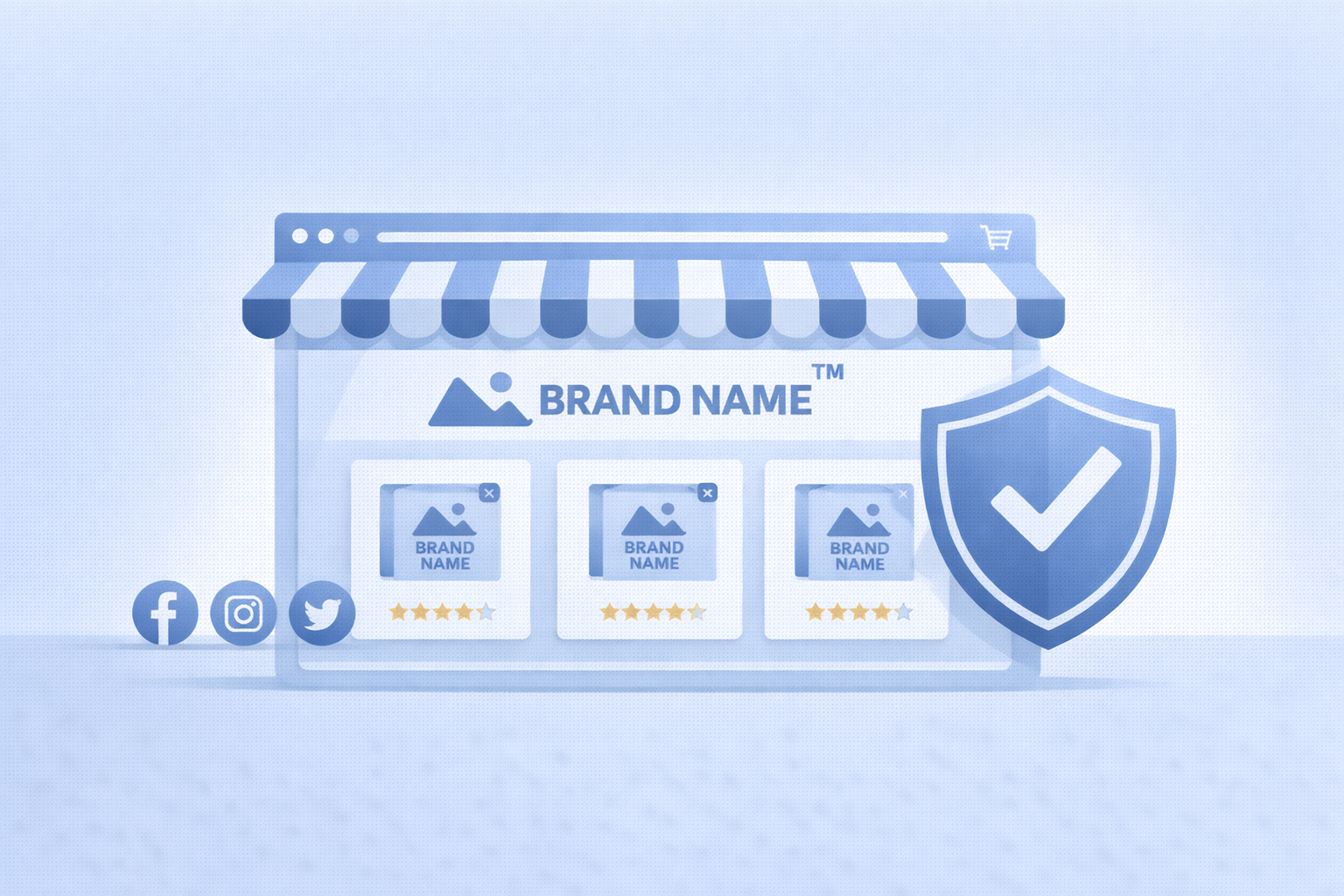
Unlike traditional businesses, D2C brands operate heavily online. Your brand name appears on:
- Your website
- Social media pages
- Marketplaces like Amazon or Flipkart
- Product packaging
- Digital ads
This visibility makes it easier for others to copy your brand identity. A similar name or logo can confuse customers and reduce trust.
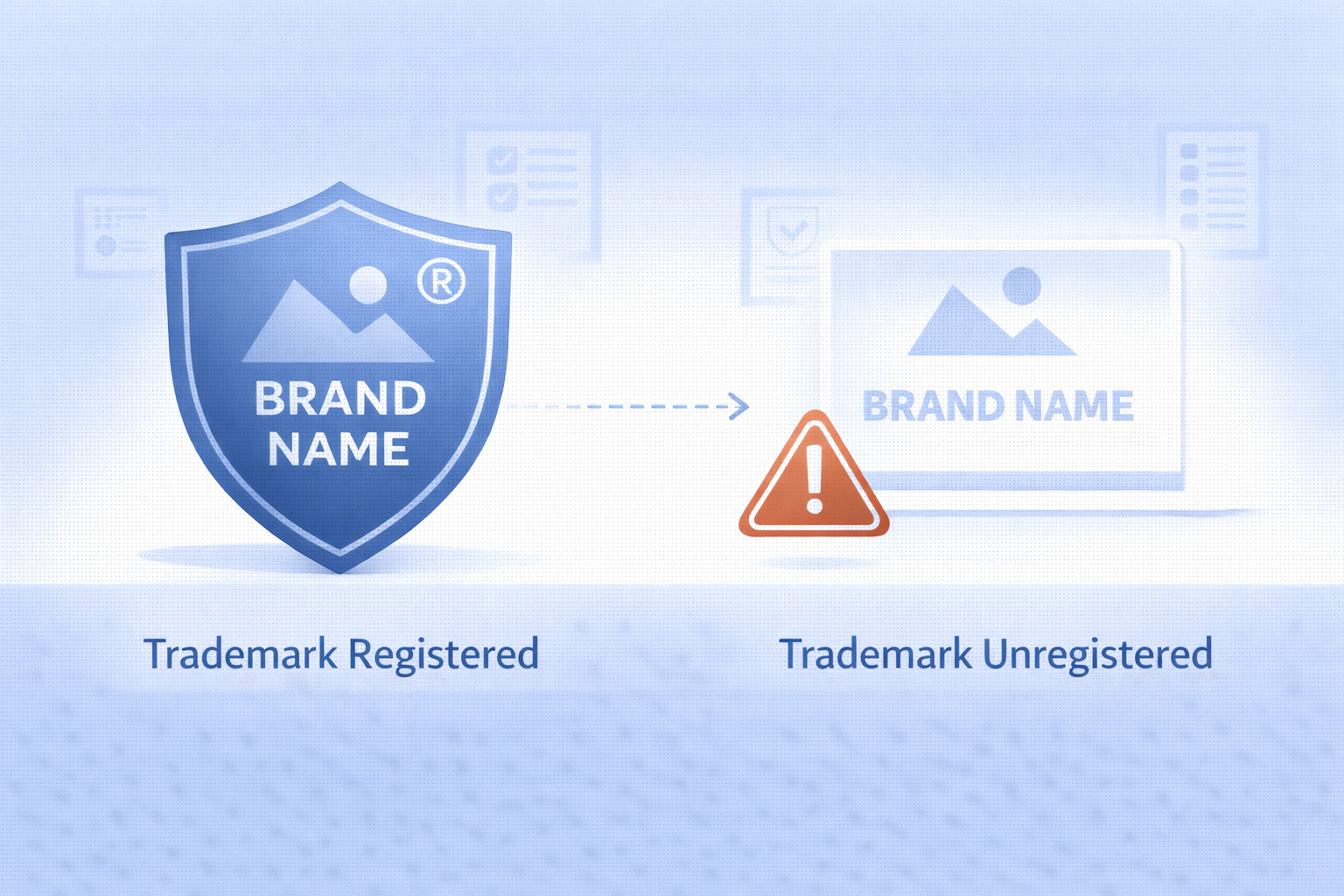
Early trademark registration helps create a legal boundary around your brand.
What a Trademark Actually Protects
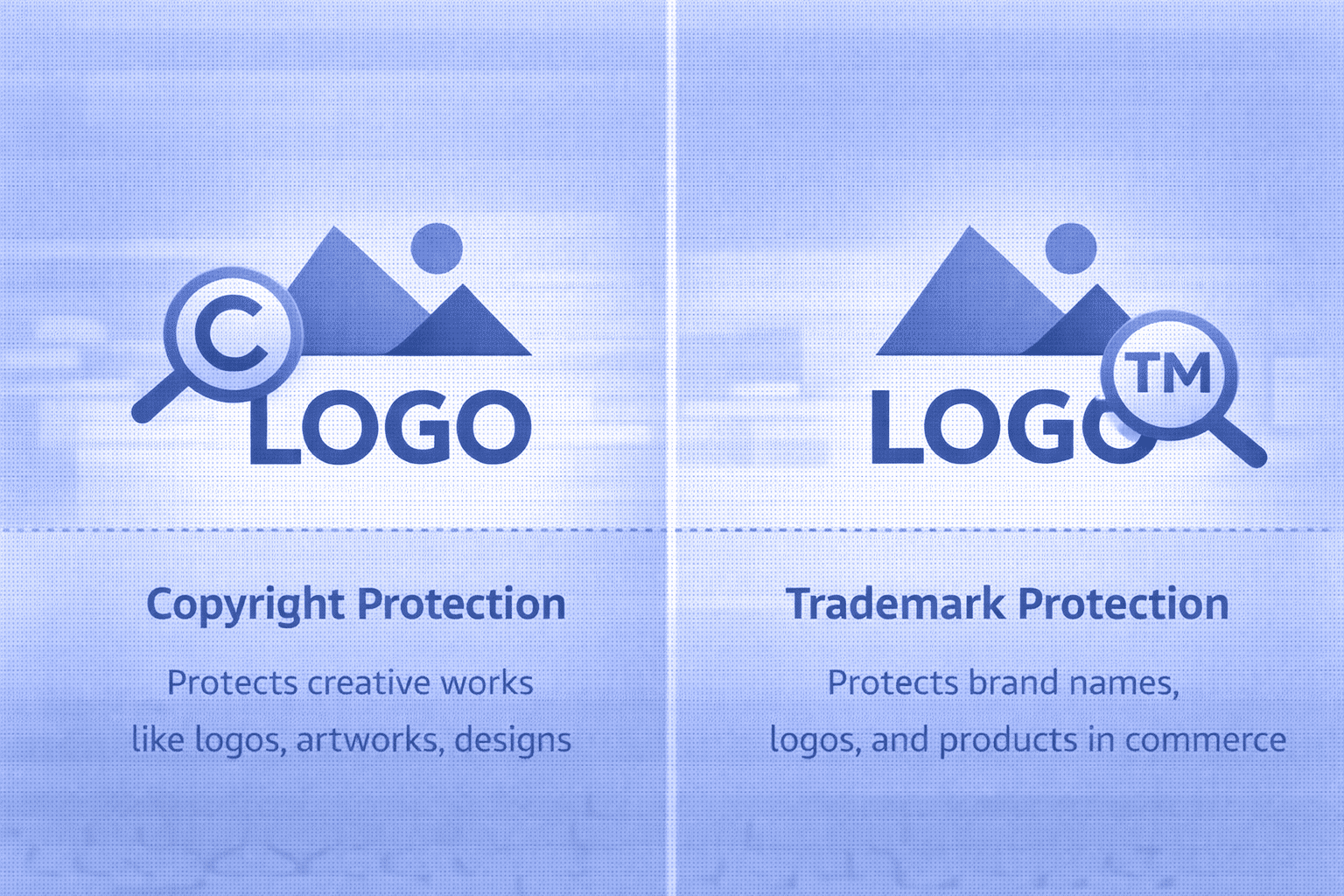
A trademark protects the identity of your business, not your product formula or idea. It covers:
✔ Brand name
✔ Logo
✔ Tagline or slogan
✔ In some cases, packaging design
If your startup sells skincare under a specific brand name, that name becomes legally protected once registered. Competitors cannot use a confusingly similar name in the same category.
Why Early Registration Matters
Startups often grow quickly. Once your marketing efforts start working, your brand visibility increases. That’s when risks rise.
If you don’t register early:
- Someone else might register a similar name
- You could receive legal notices
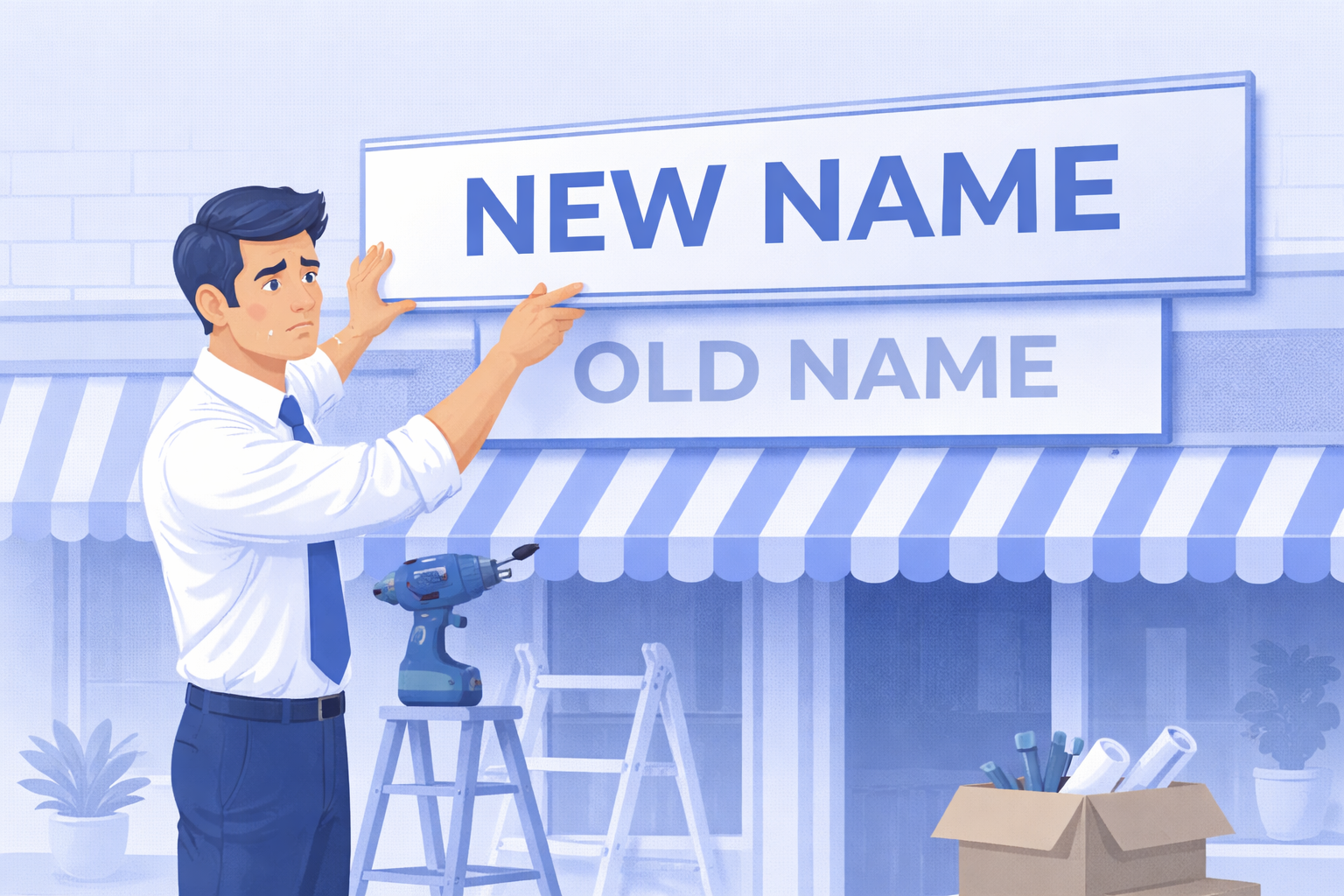
- You might be forced to rebrand after building recognition
Rebranding costs more than registration — not just financially, but in lost brand trust.
Trademark Registration and Investor Confidence
Investors look at more than revenue. They evaluate risk. A protected brand shows that:
- You are serious about long-term growth
- Your business assets are legally secured
- Your brand can be scaled, licensed, or franchised
Trademark registration strengthens your startup’s credibility.
Marketplace and Platform Protection
Online platforms often require proof of trademark ownership when resolving disputes.
If someone copies your brand name on an online marketplace, a registered trademark makes it easier to:
- File complaints
- Remove fake listings
- Protect your brand from misuse
Without registration, proving ownership becomes harder.
Common Mistakes Startups Make
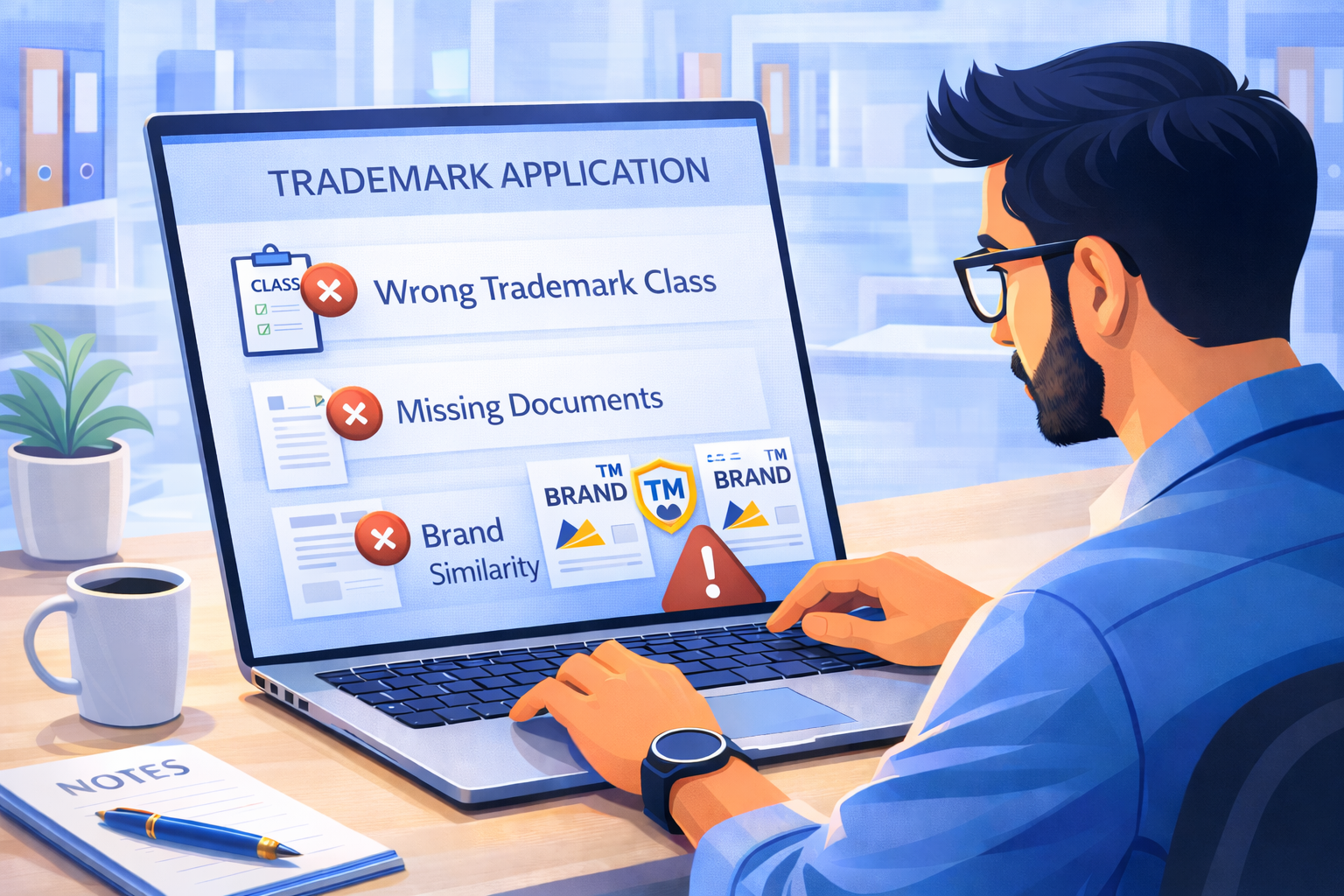
❌ Waiting until the brand becomes popular
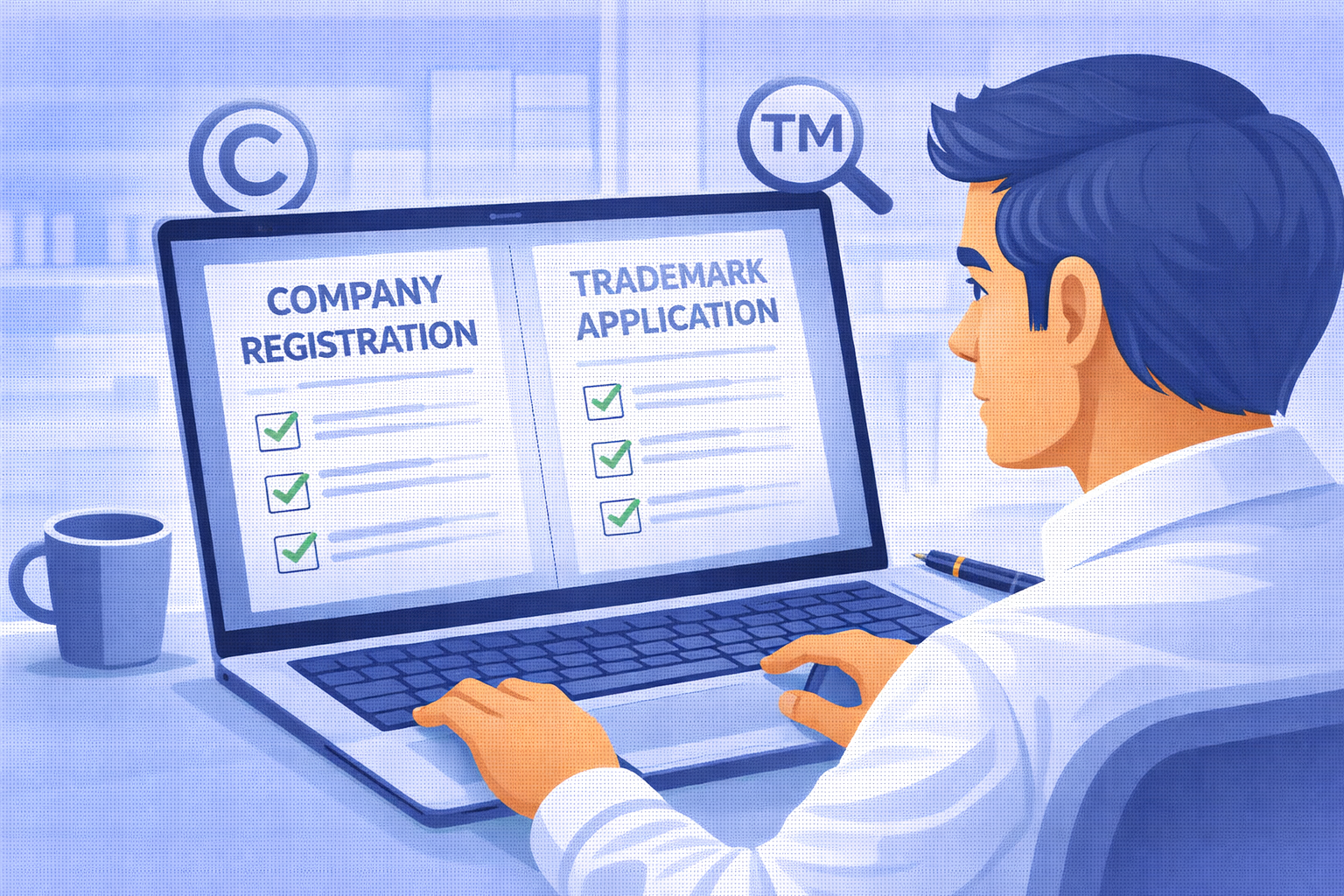
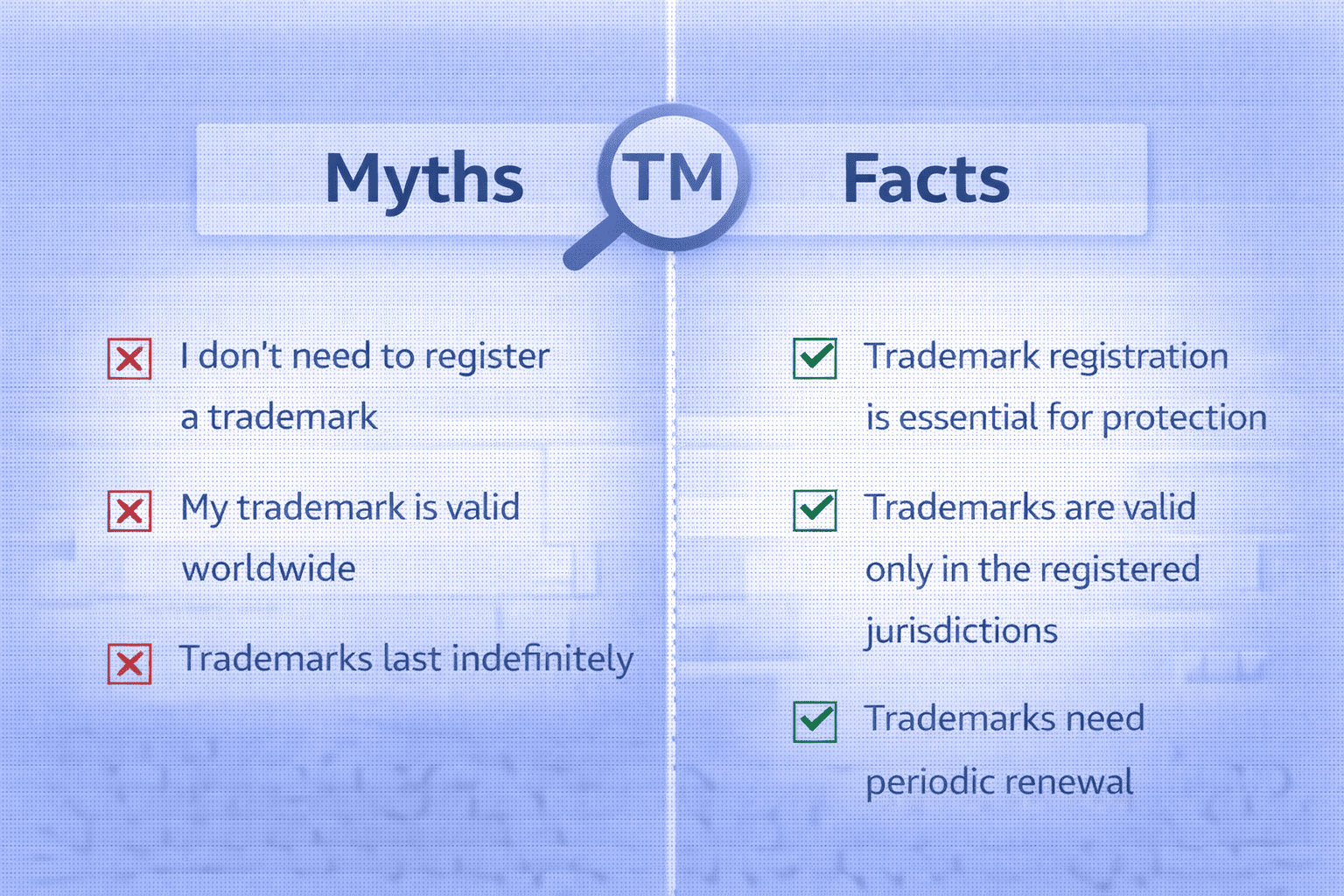
❌ Assuming company registration protects the brand
❌ Filing in the wrong trademark class
❌ Not checking for existing similar trademarks
Startups need to treat brand protection as part of business planning, not an afterthought.
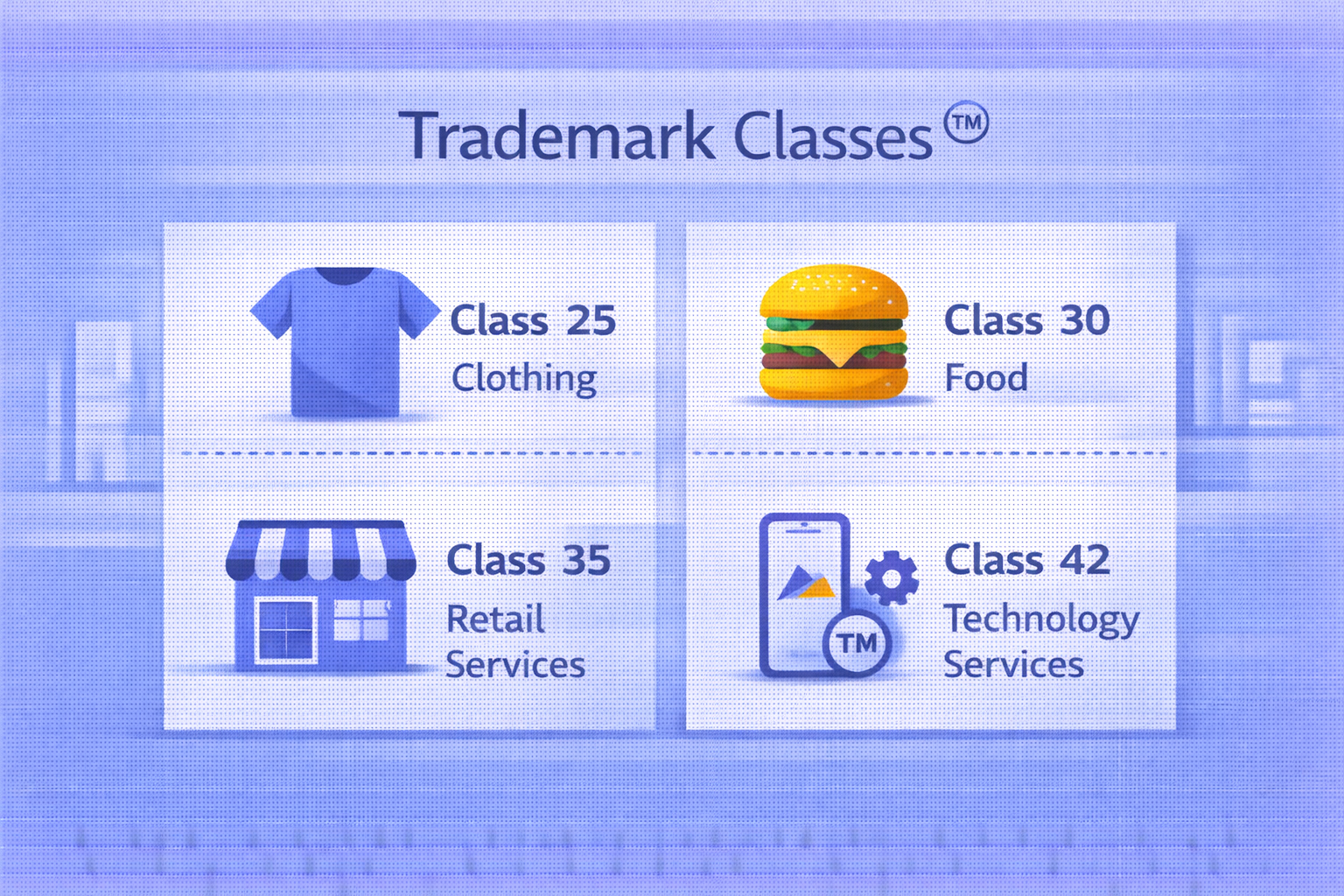
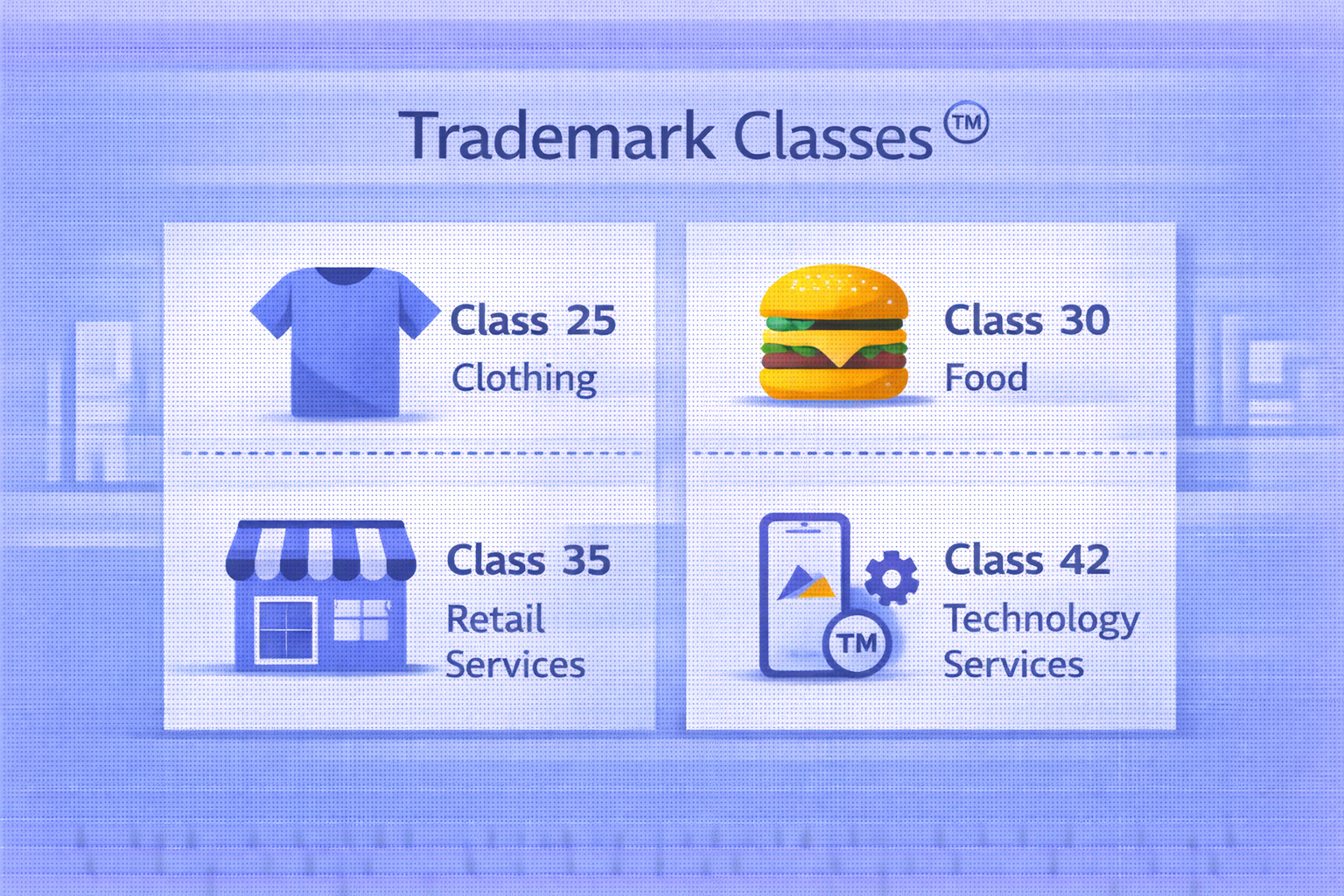
How D2C Brands Should Choose Trademark Classes
D2C brands often operate across multiple areas:
- Selling physical products
- Running an online store
- Offering customer services
This may require filing in more than one trademark class. Choosing the correct class ensures your protection matches your real business activities.
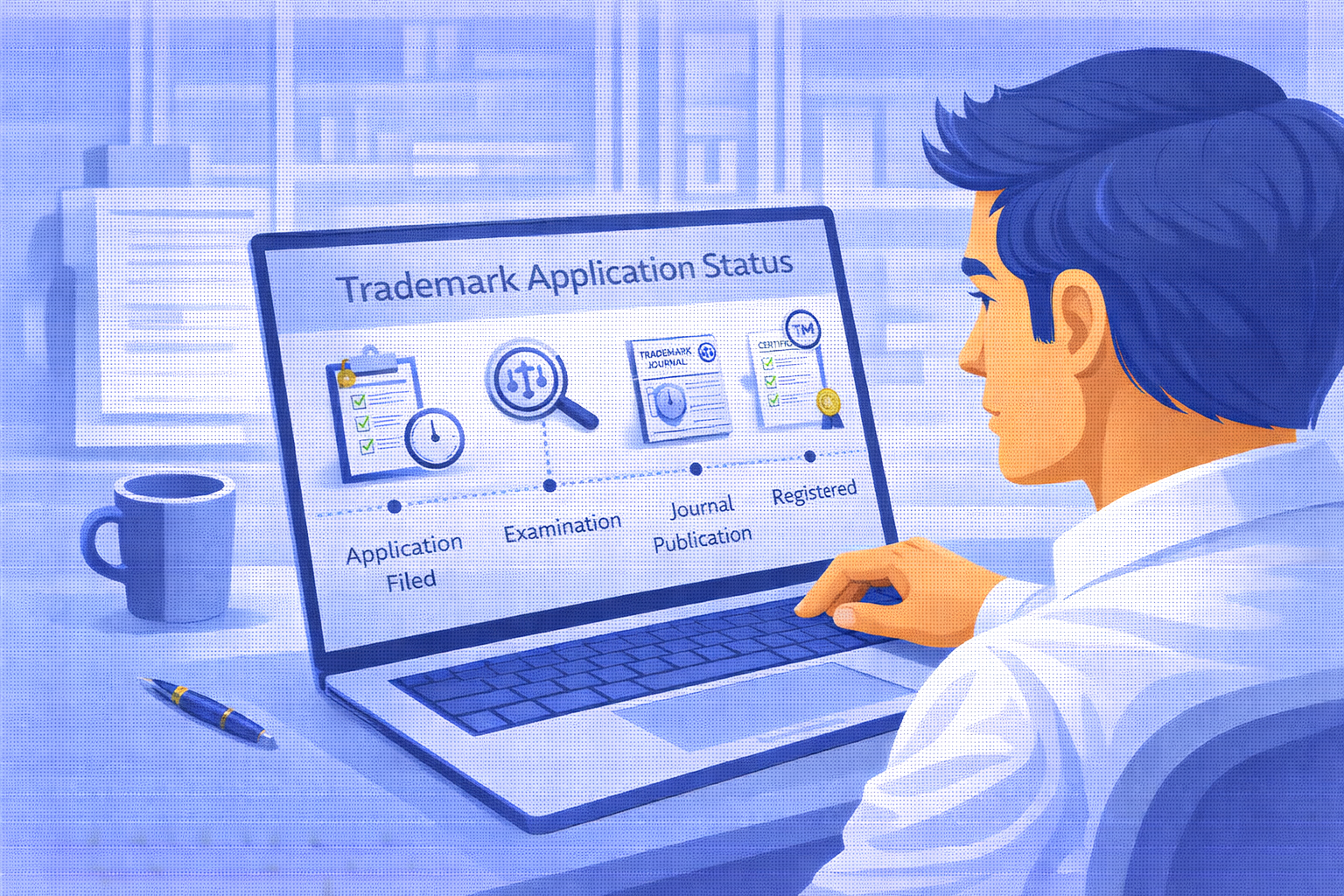
What Happens After Filing
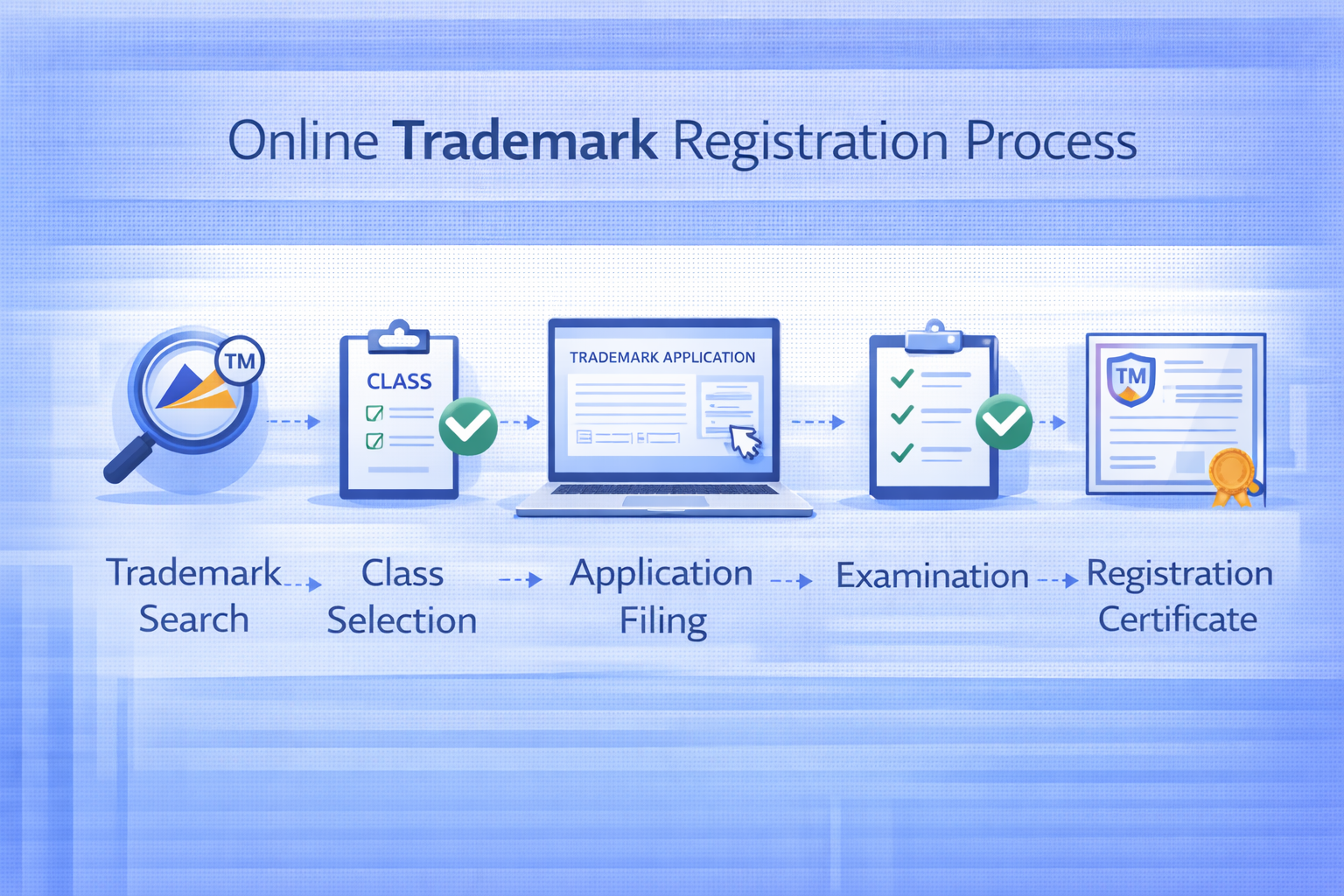
Once your trademark is filed:
- You can start using the TM symbol
- The registry examines your application
- It gets published for public review
- If no objections or oppositions arise, it gets registered
- You receive the certificate and can use the ® symbol
The process takes time, but protection starts from the filing date.
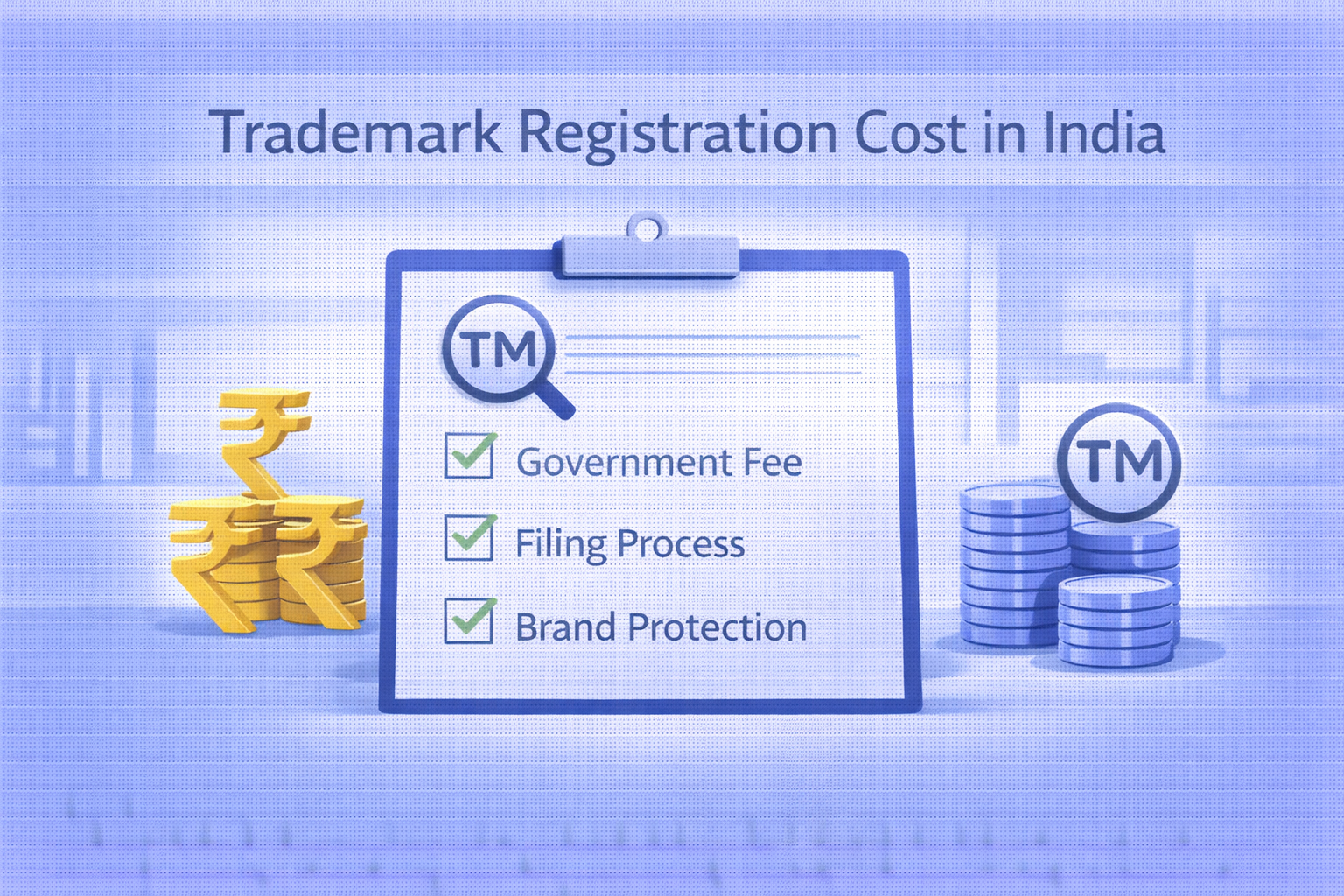
Is It Expensive for Startups?
Compared to marketing costs, trademark registration is relatively affordable. Government fees are structured to support individuals and startups, and the protection lasts for years.
Considering the risk of rebranding, legal disputes, and marketplace issues, registration is a cost-effective preventive step.
When Should a Startup Apply?
The best time to apply is:
✔ As soon as your brand name is finalized
✔ Before large-scale marketing begins
✔ Before entering marketplaces or paid ads
Early filing reduces the chance of conflicts later.
Final Thoughts
For startups and D2C brands, the brand is often the business itself. Protecting it early prevents legal complications, builds investor trust, and secures your market position. Trademark registration is not just a legal formality — it’s a strategic move that supports long-term growth.
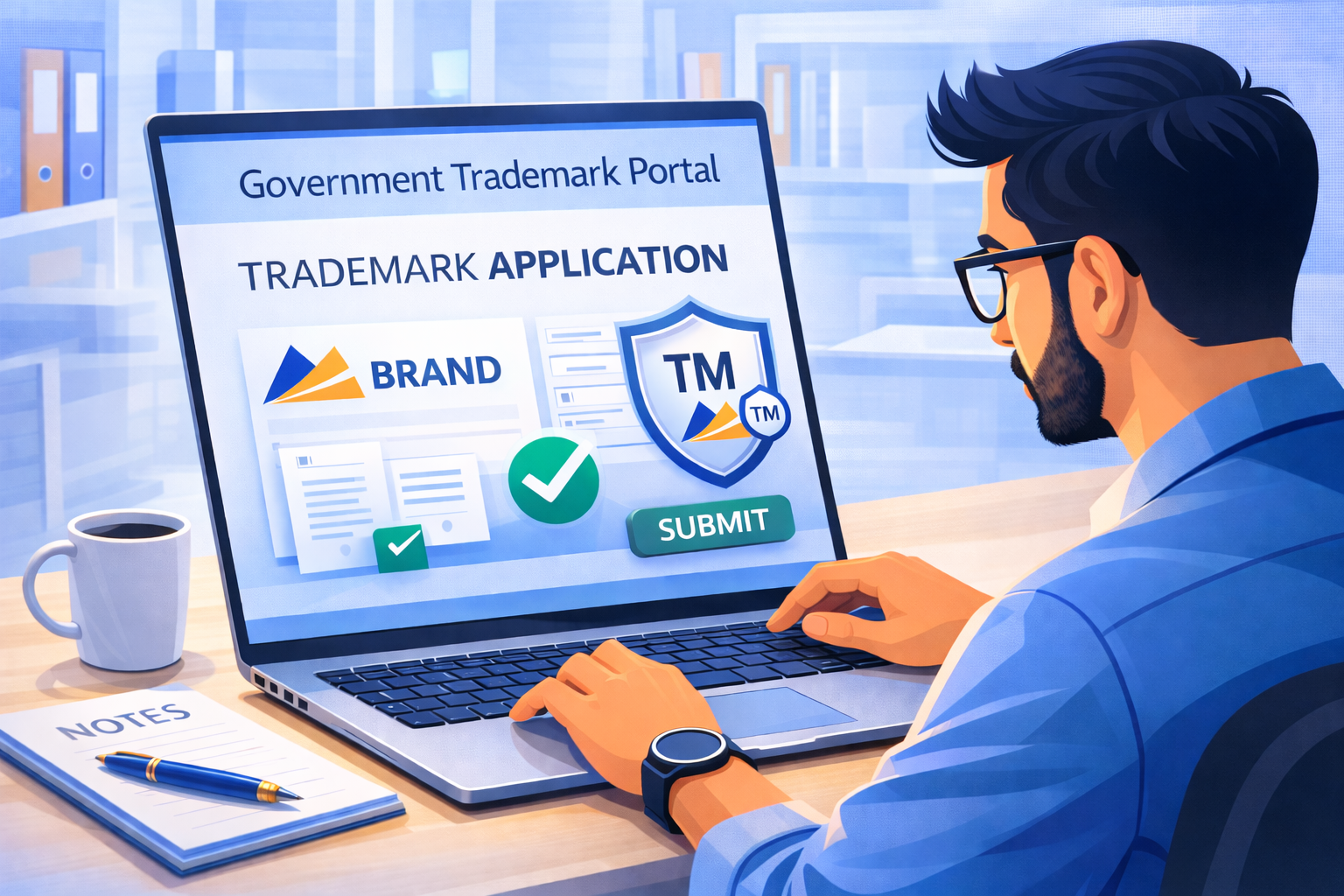
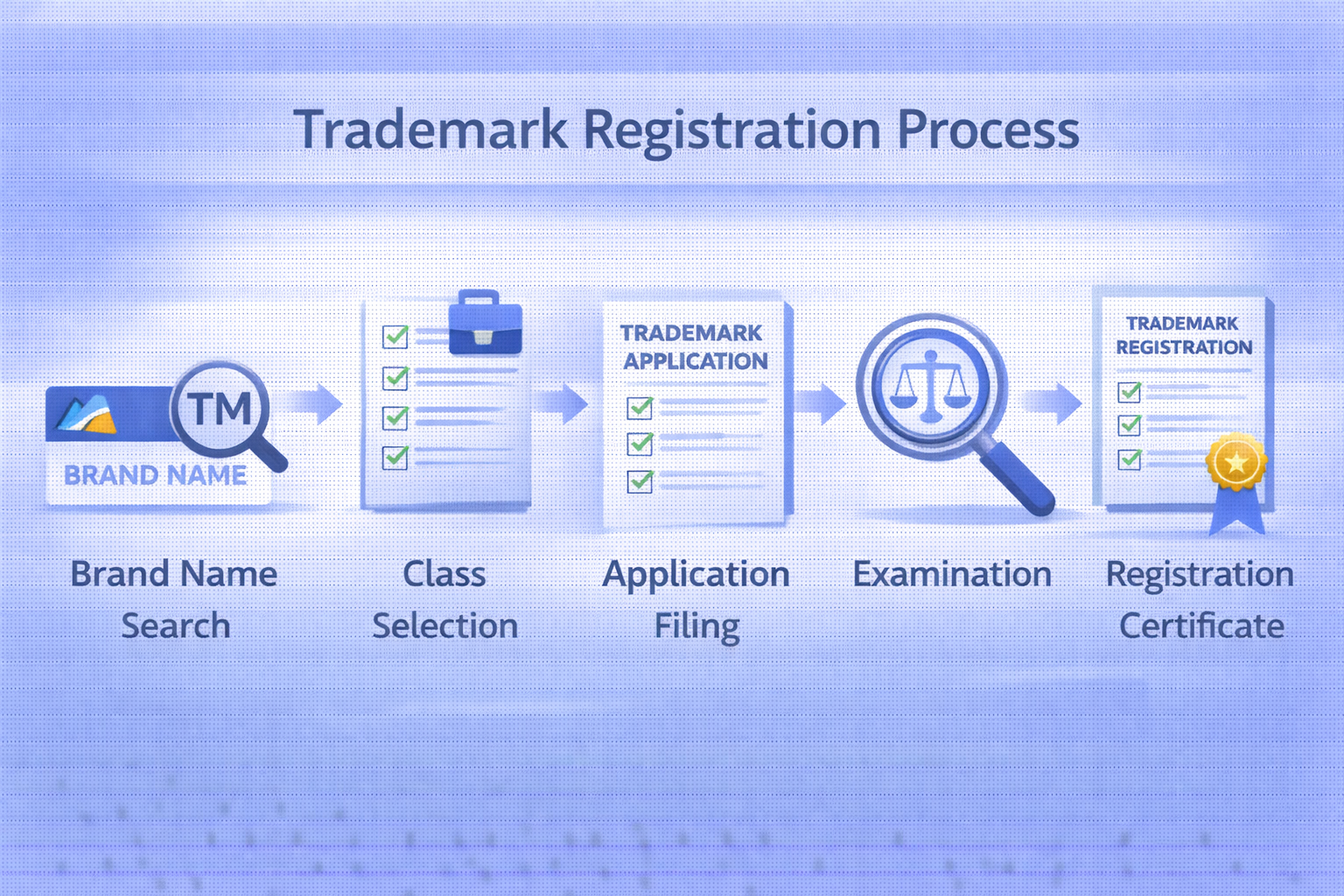
As your startup grows, protecting your brand early can save you from costly legal issues and rebranding later. If you want step-by-step guidance on securing your brand name, you can explore the full trademark registration process in India and get clarity on filing, classes, and documentation.