








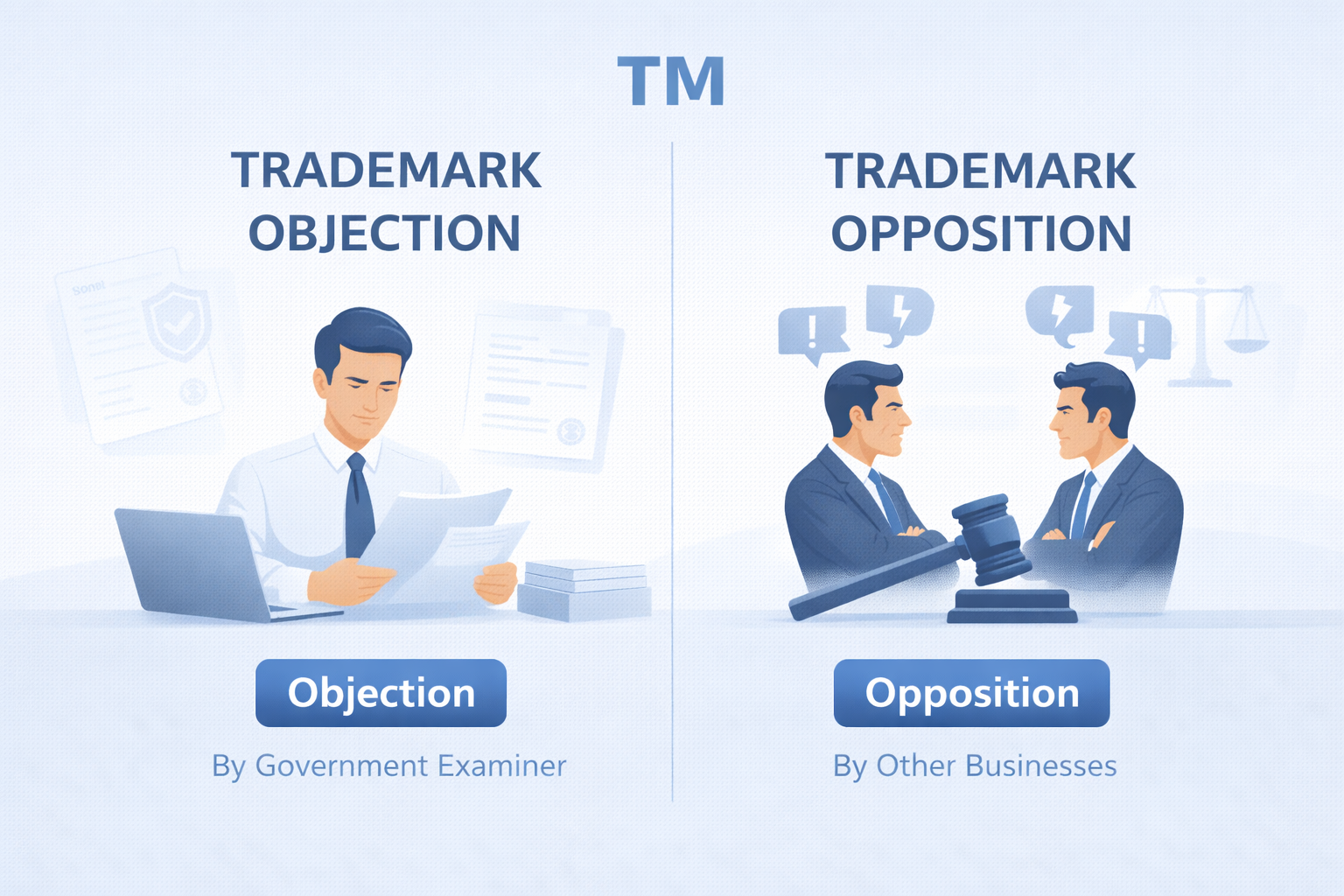
Trademark Objection vs Opposition – What’s the Difference?
If you’ve applied for a trademark, you might assume the hard part is over once the application is filed. But during the registration journey, two legal hurdles can appear: trademark objection and trademark opposition. These terms sound similar, and many business owners confuse them — yet they happen at different stages and involve different parties.
Understanding the difference between trademark objection and opposition helps you respond correctly, avoid delays, and improve your chances of securing your brand legally.
Let’s break it down in simple, practical terms.
What Is a Trademark Objection?
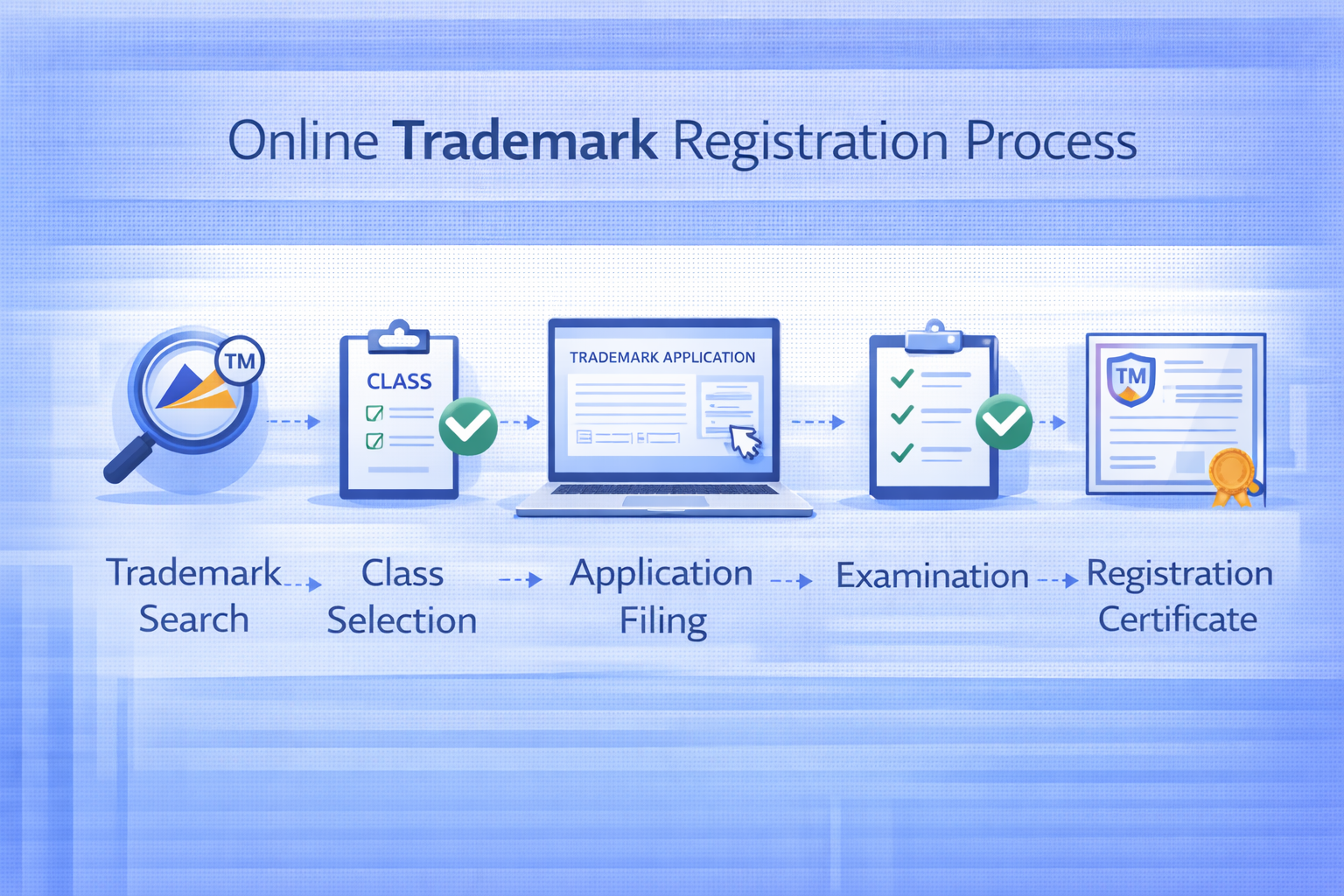
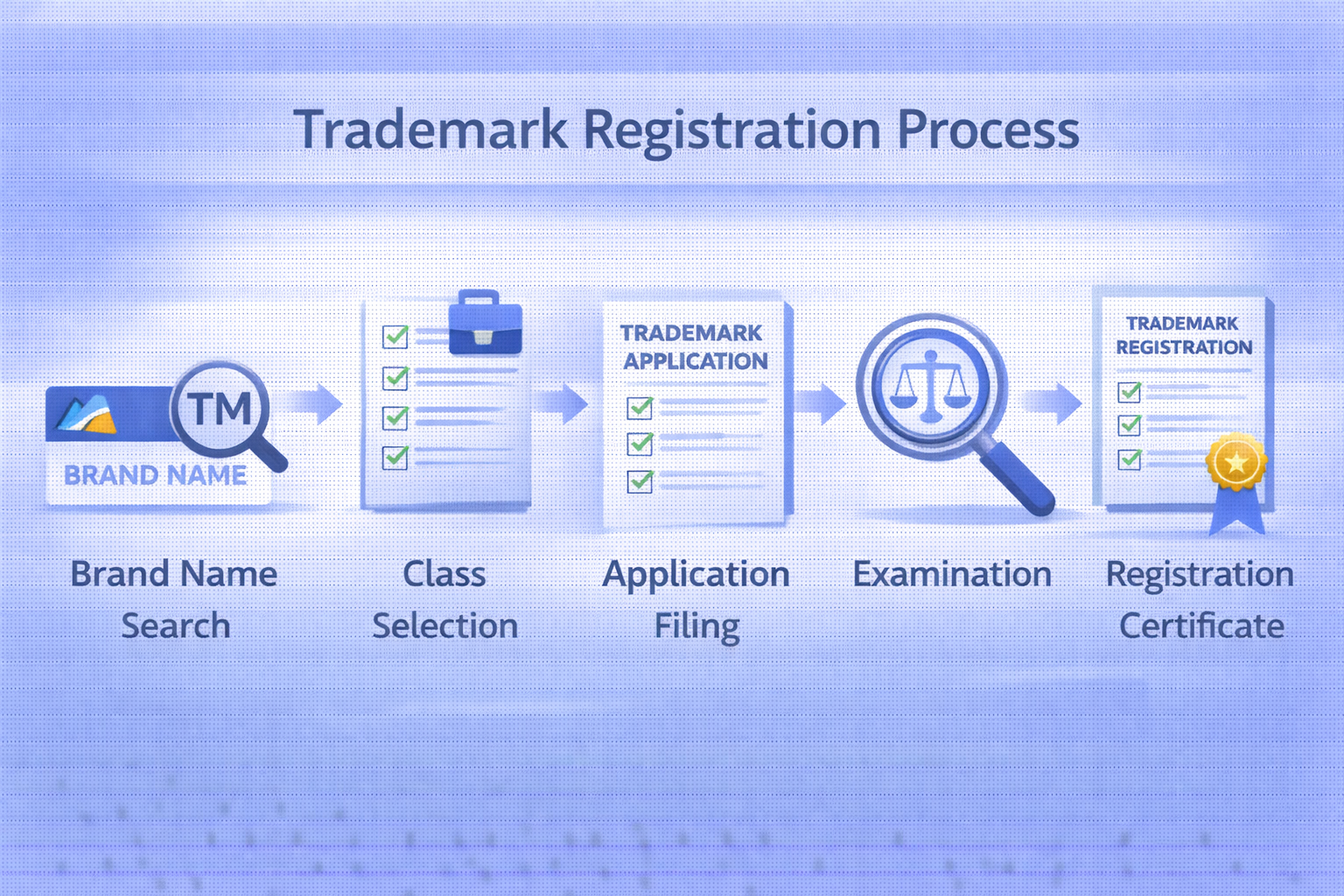
A trademark objection is raised by the Trademark Examiner during the examination stage of your application.
After you file your trademark, the registry reviews it to check whether it follows legal rules. If the examiner finds an issue, they issue an examination report listing objections.
Common reasons for objections include:
- The mark is too descriptive
- The mark is similar to an existing registered mark
- The name lacks distinctiveness
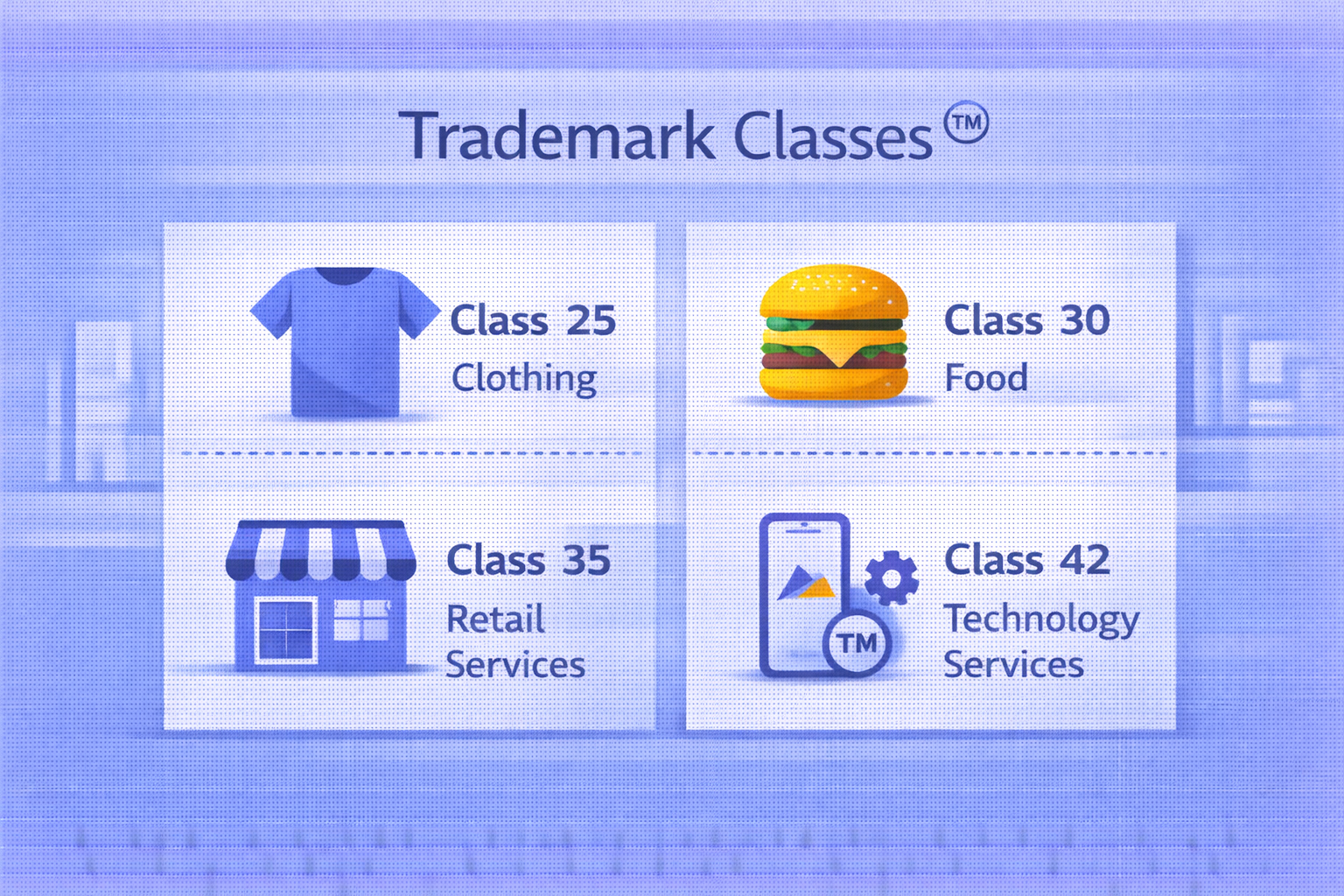
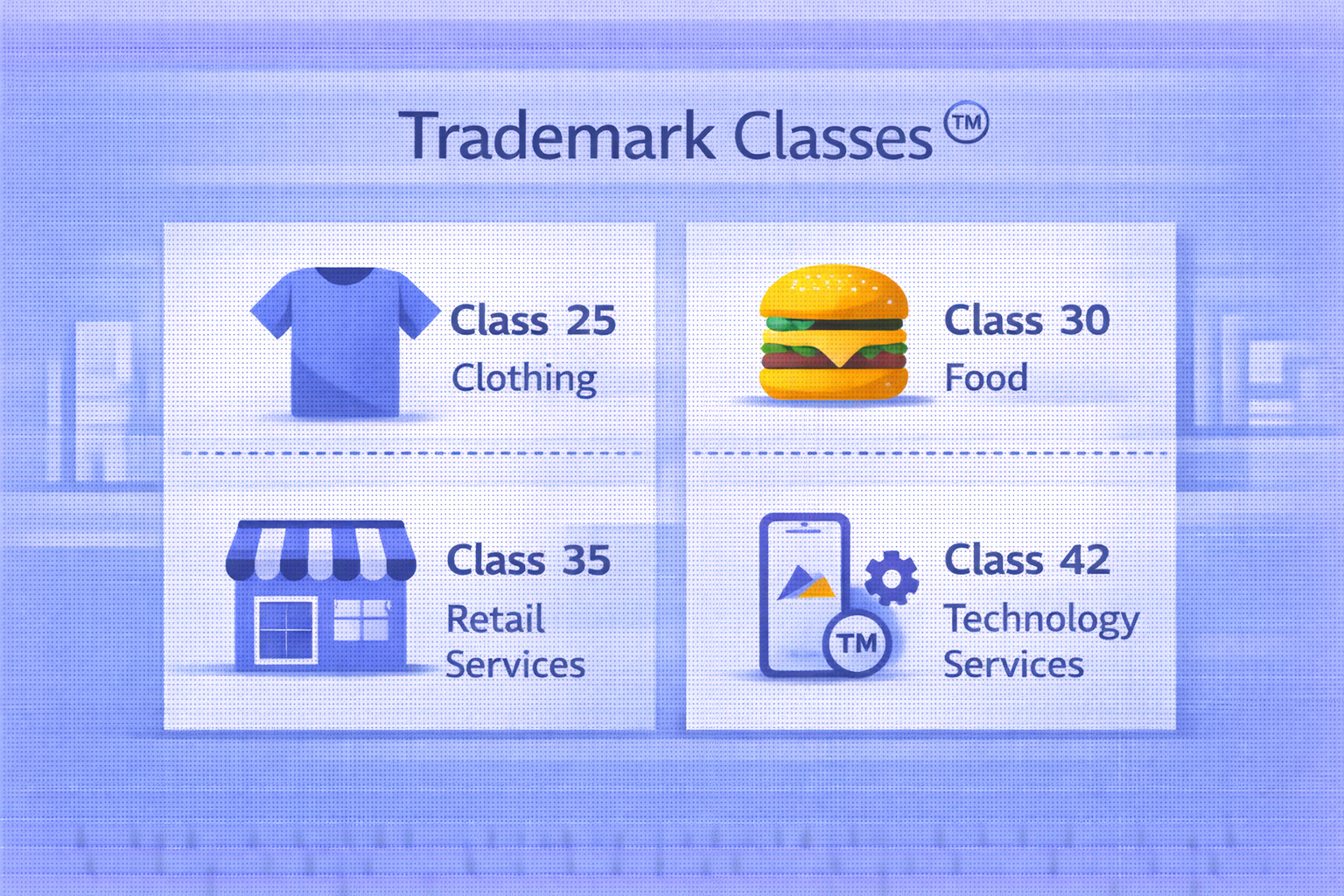
- Incorrect trademark class or description
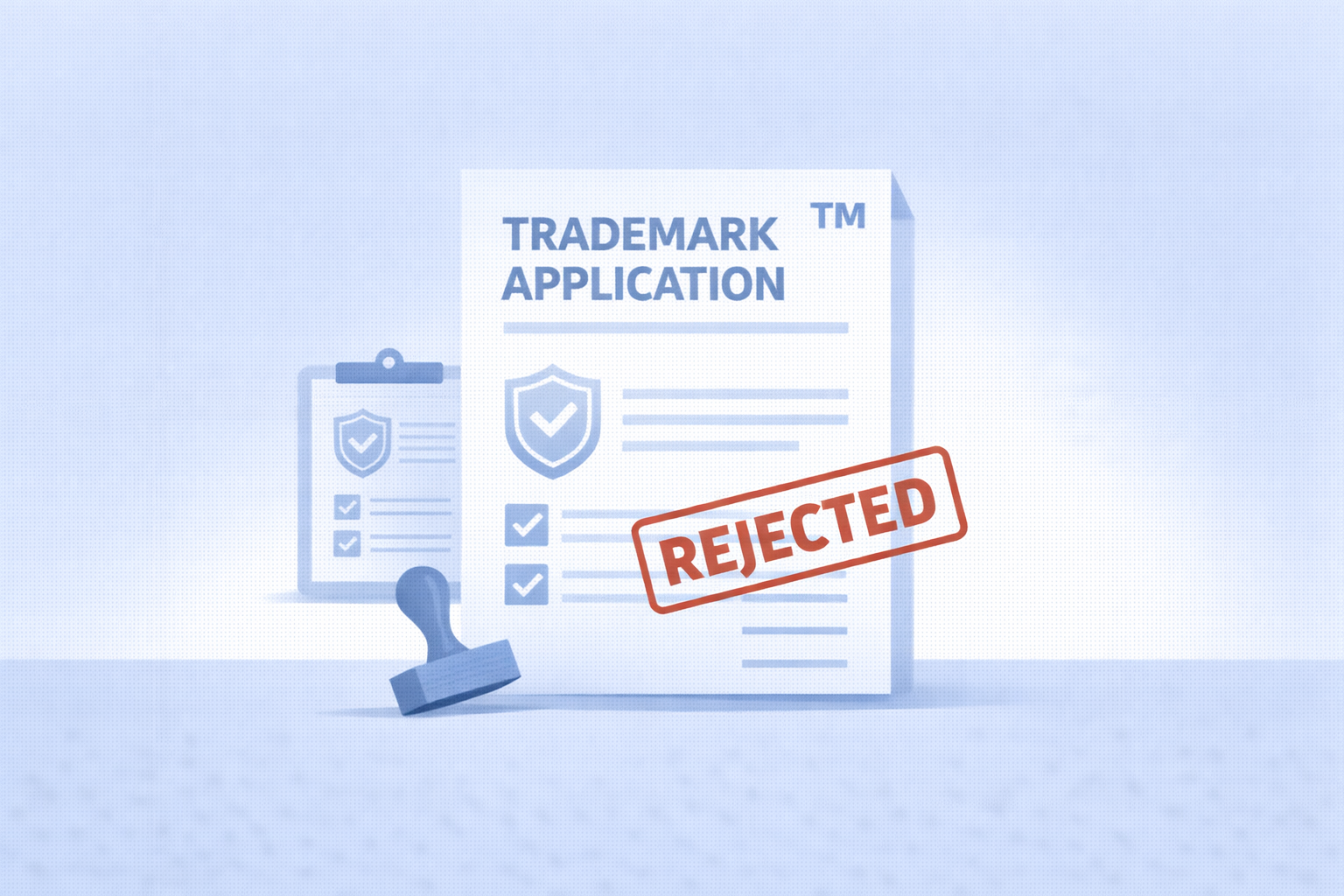
An objection does not mean rejection. It means the registry wants clarification or justification before proceeding.
You must respond within the given time by filing a written reply explaining why your trademark deserves registration.
What Is a Trademark Opposition?
A trademark opposition happens after the trademark is accepted by the examiner and published in the Trademark Journal.
At this stage, the public gets a chance to challenge your trademark. Any third party — often a competitor or existing trademark owner — can file an opposition if they believe your mark may harm their brand or cause confusion.
Opposition is essentially a legal dispute between two private parties, unlike objections which come from the registry.
Grounds for opposition may include:
- Similarity to an existing brand
- Likelihood of consumer confusion
- Bad faith filing
- Lack of distinctiveness
Opposition leads to a formal legal process involving evidence, hearings, and arguments from both sides.
Key Difference in Simple Terms
|
Aspect |
Trademark Objection |
Trademark Opposition |
| Raised By | Trademark Examiner | Third party (public/competitor) |
| Stage | Examination stage | After publication in journal |
| Nature | Registry clarification | Legal dispute between parties |
| Outcome | Application proceeds or refused | Registration allowed or blocked |
In short:
Objection = Government review issue
Opposition = Public legal challenge
How the Processes Differ
Objection Process
- Examiner raises objection in examination report
- Applicant files written reply
- Hearing may be scheduled if needed
- Trademark is either accepted or refused
Opposition Process
- Trademark is advertised in the journal
- Third party files opposition notice
- Applicant files counterstatement
- Both parties submit evidence
- Hearing is conducted
- Registry decides whether to allow or reject registration
Opposition cases are longer and more complex than objections.
Which Is More Serious?
Both are important, but opposition is usually more serious because it involves a competing party actively trying to block your trademark.
Objections are procedural and often resolved with proper explanations. Oppositions can turn into extended legal battles.
Can a Trademark Face Both?
Yes. A trademark can first receive an objection during examination. After clearing that stage and getting published, it can still face opposition from third parties.
This is why trademark registration can take time and requires ongoing monitoring.
Why Understanding the Difference Matters
Knowing whether your issue is an objection or opposition helps you:
✔ Prepare the right legal response
✔ Understand timelines and procedures
✔ Avoid unnecessary panic
✔ Plan business branding accordingly
Confusing the two can delay responses or weaken your position.
Common Mistakes Business Owners Make
❌ Ignoring objection deadlines
❌ Assuming publication means final approval
❌ Treating opposition casually
❌ Not tracking trademark journal updates
Trademark registration is a legal process, not just a form submission.
Practical Advice for Applicants
- Always check examination reports carefully
- Respond to objections with clear reasoning
- Monitor journal publication stage
- Take oppositions seriously and prepare evidence
Handling these stages correctly increases your chances of final registration.
Final Thoughts
Trademark objection and opposition are both part of the registration journey, but they serve different purposes. An objection is a question from the registry; an opposition is a challenge from another party.
Understanding the difference helps you navigate the process confidently and protect your brand with fewer surprises.
Understanding the difference between objections and oppositions helps you prepare for the challenges that can arise during trademark registration. If you want to reduce the risk of legal hurdles and file your application correctly from the start, you can explore the full trademark registration process in India with expert guidance here.