








Trademark Objection Reply – Reasons & Draft Strategy
When you apply for a trademark, approval is not always immediate. The Trademark Office may raise an objection during examination, but many applications move forward after a properly prepared Trademark Objection Reply.
This article explains why objections happen and how to draft a strong reply that improves your chances of approval.
What Is a Trademark Objection?
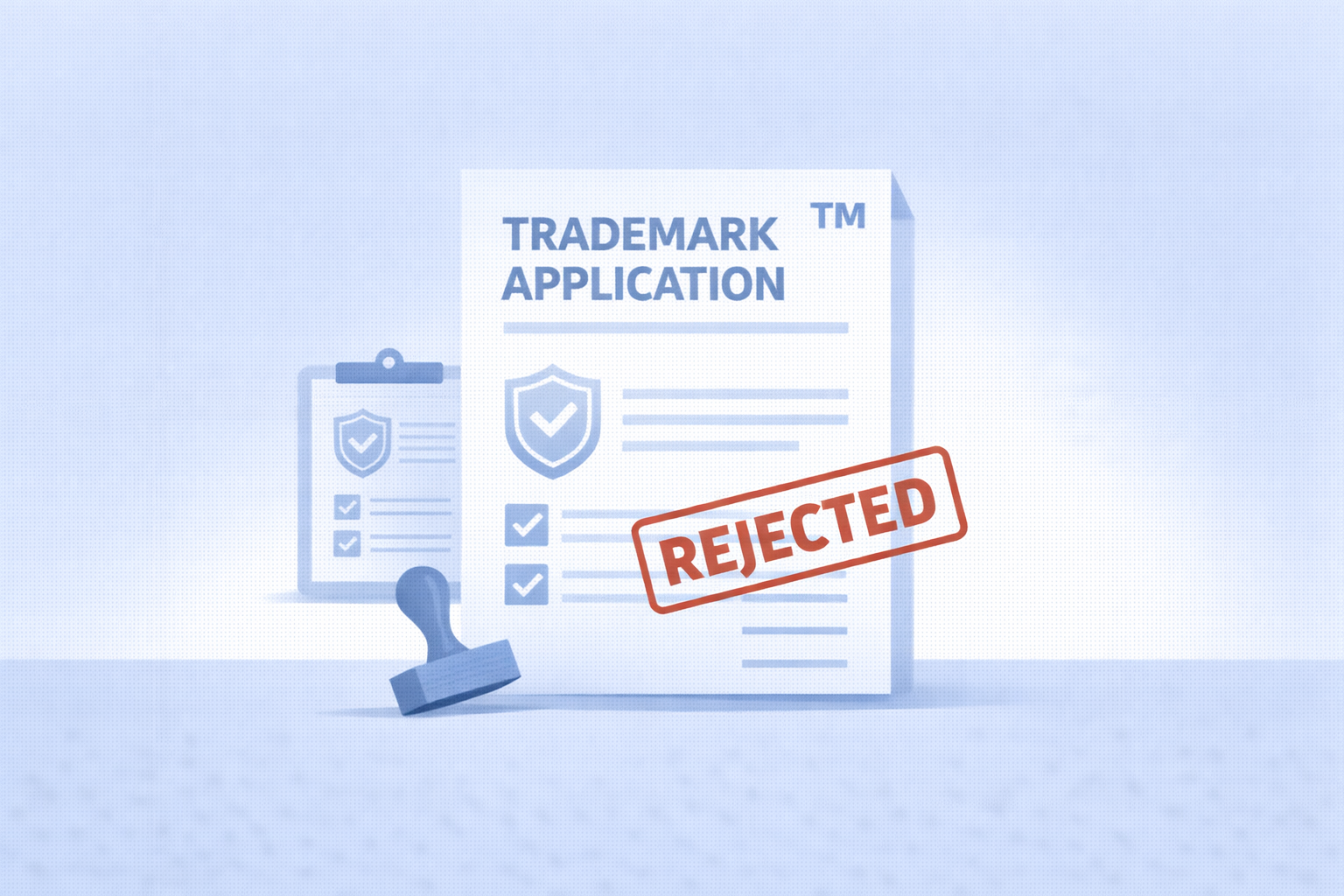
A trademark objection is an official response from the Trademark Examiner stating that your application has issues that prevent immediate registration.
It does not mean your trademark is rejected — it means the examiner needs clarification, justification, or corrections.
You are given a deadline (usually 30 days, depending on jurisdiction) to respond.
Common Reasons for Trademark Objections
Understanding the reason behind the objection is the key to writing an effective reply.
1️⃣ Similarity with an Existing Trademark
The examiner may believe your mark is:
- Phonetically similar
- Visually similar
- Conceptually similar
to an already registered or pending trademark in the same class.
Example: “GlowSkin” vs. “GloSkin”
2️⃣ Descriptive or Generic Nature
If your mark directly describes the product or service, it may be considered too generic.
Examples:
- “Sweet Bakery” for a bakery
- “Fast Delivery Services” for logistics
Such marks lack distinctiveness.
3️⃣ Lack of Distinctiveness
If the mark is too common, ordinary, or widely used in trade, the examiner may say it cannot uniquely identify your brand.
4️⃣ Incorrect Trademark Classification
Your goods/services may not match the class selected in the application.
5️⃣ Use of Prohibited or Restricted Words
Certain words (like national symbols, government references, or offensive terms) may not be allowed without special permission.
6️⃣ Technical or Procedural Issues
These include:
- Incorrect applicant name
- Wrong address
- Missing documents
- Improper trademark description
These are easier to fix with clarification.
Strategy for Replying to a Trademark Objection
A strong reply is legal + logical + evidence-based. Here’s how to approach it.
Step 1: Carefully Read the Examination Report
Identify:
- Exact legal section mentioned
- Specific objection reason
- Conflicting marks (if cited)
Never send a generic reply. Address each objection point separately.
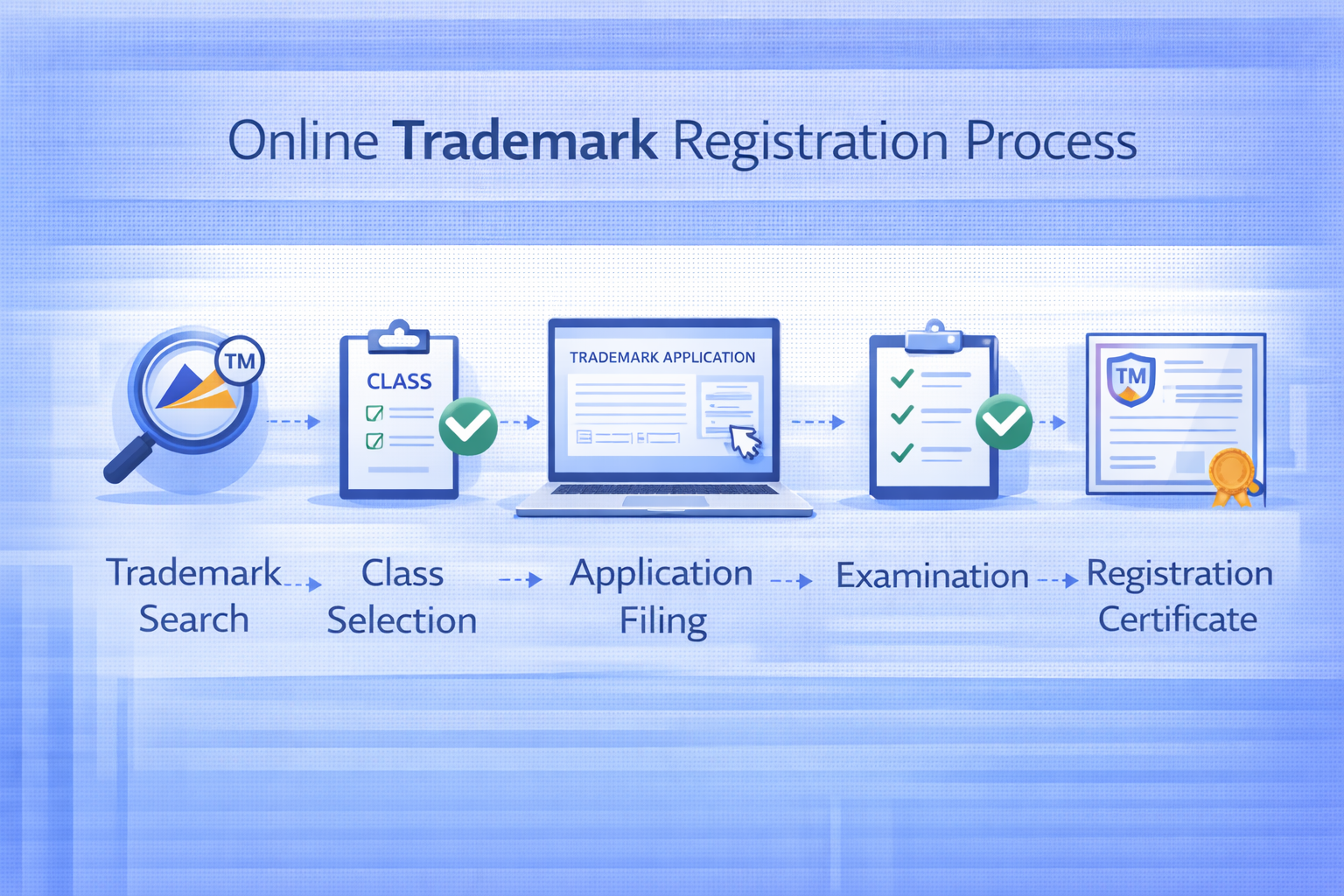
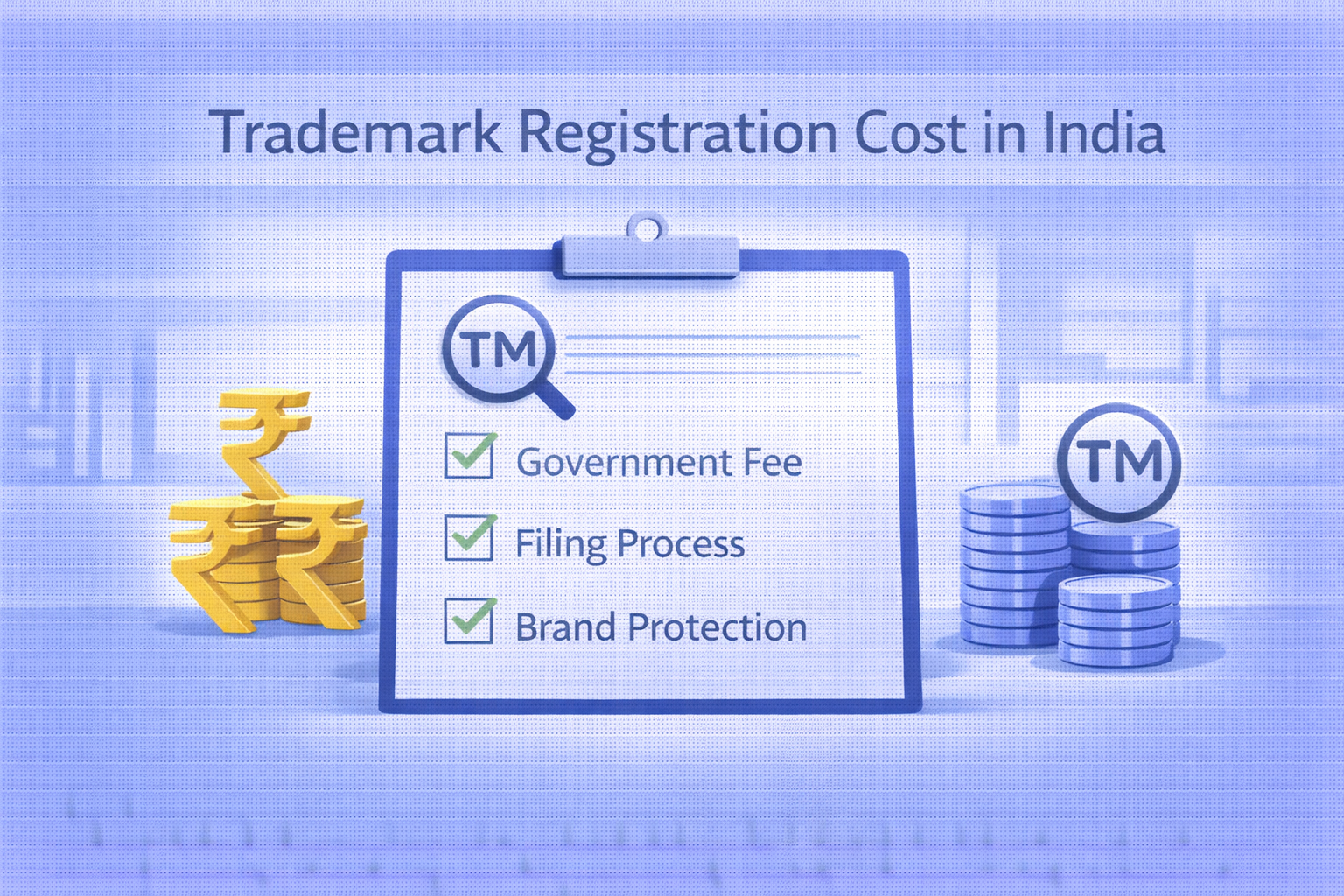
For future applications, understanding both the process and the trademark registration cost in India can help you file more accurately and avoid common objections.
Step 2: Build Your Legal Argument
Depending on the objection, your defense may include:
✔ If Mark Is Called “Descriptive”
Argue that:
- The mark is suggestive, not descriptive
- It requires imagination to connect to the product
- It has acquired distinctiveness through use
You can add:
- Years of use
- Advertising expenses
- Sales figures
- Customer recognition
✔ If Mark Is Compared to Another Trademark
Show that:
- Spelling, pronunciation, and meaning differ
- Overall commercial impression is different
- Goods/services or target audiences differ
- There has been no actual confusion in the market
You can present a side-by-side comparison table.
✔ If Objection Is Technical
Simply provide:
- Corrected details
- Missing documents
- Clarifications in affidavit form if required
Step 3: Provide Supporting Evidence
Attach documents such as:
- Logo samples
- Website screenshots
- Product packaging photos
- Invoices
- Advertising materials
- Social media presence
This proves real market use and distinct identity.
Step 4: Maintain a Professional and Respectful Tone
Do not argue emotionally. Use:
- Legal reasoning
- Clear structure
- Point-wise responses
The goal is to convince, not confront.
Basic Structure of a Trademark Objection Reply
Here’s a standard format you can follow:
Subject: Reply to Examination Report for Trademark Application No. XXXXX
- Introduction
State applicant name, trademark, class, and date of report. - Preliminary Submission
Mention that you are submitting a reply within the prescribed time. - Para-wise Reply to Objections
Address each objection separately:
- Objection 1 (Section/Reason):
Provide legal reasoning and explanation. - Objection 2:
Provide clarification and evidence.
- Supporting Evidence
List documents attached. - Prayer/Request
Request the examiner to waive the objection and accept the mark for publication. - Signature
Applicant/Attorney details
Common Mistakes to Avoid
❌ Ignoring deadlines
❌ Copy-paste generic replies
❌ Emotional or aggressive language
❌ No supporting documents
❌ Not addressing each objection separately
What Happens After You Submit the Reply?
After reviewing your response, the examiner may:
✔ Accept the trademark and publish it in the Journal
✔ Ask for a hearing
✔ Maintain the objection (if reply is weak)
A well-drafted reply often avoids the need for a hearing.
Final Thoughts
A trademark objection is not the end — it’s a chance to justify your brand’s uniqueness. A thoughtful, evidence-backed, and legally structured reply significantly increases the chances of registration.
If handled properly, many objections turn into successful registrations.
Planning to file a new trademark?
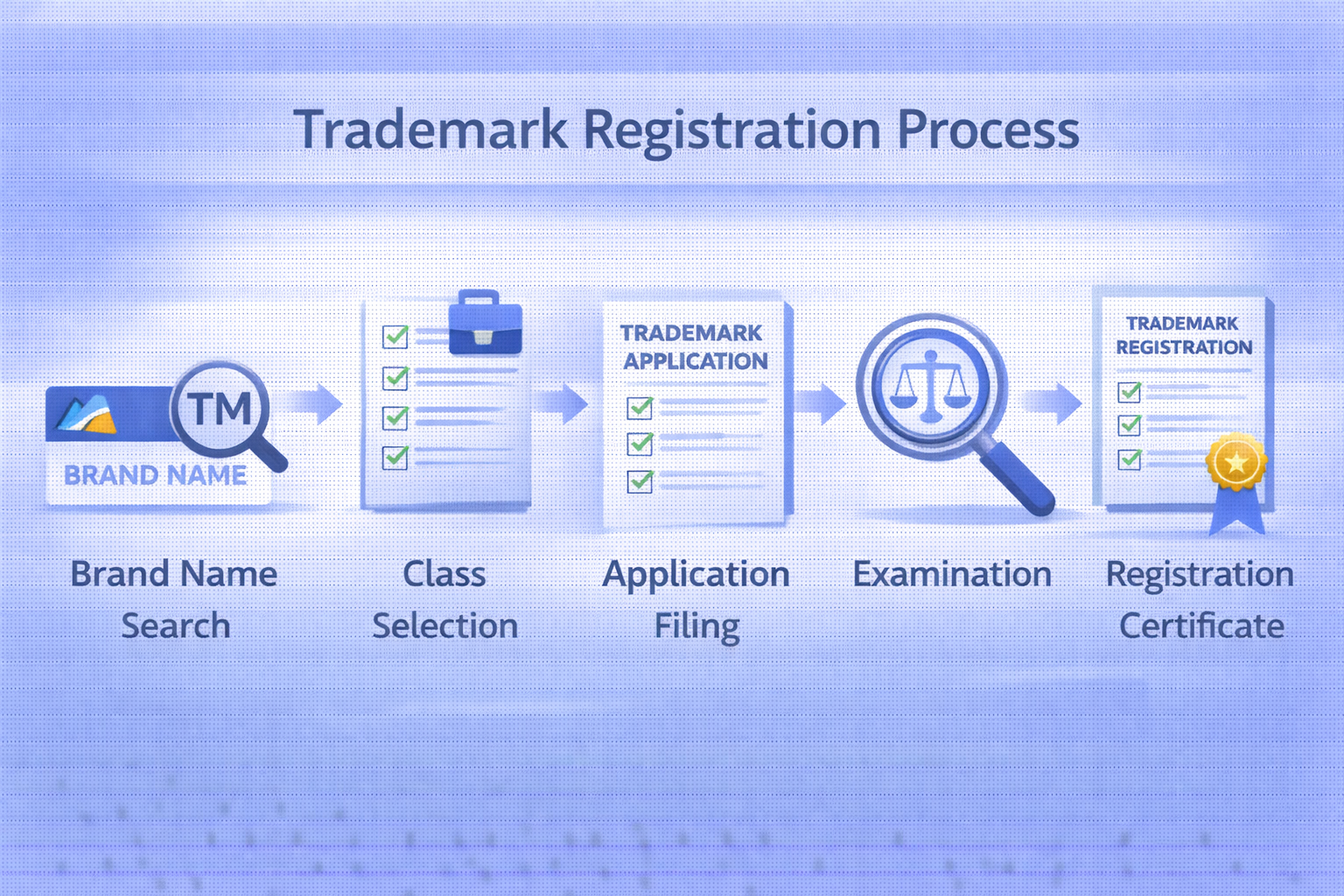
Our guide to trademark registration in India explains the complete process step by step.