








What Is a Trademark?
A trademark protects your brand identity — the name, logo, slogan, or symbol that customers associate with your business.
For example:
- Your brand name
- Your logo design
- Your tagline
- Even a distinctive product shape (in some cases)
A trademark does not protect what you sell. It protects how people recognize you in the market.
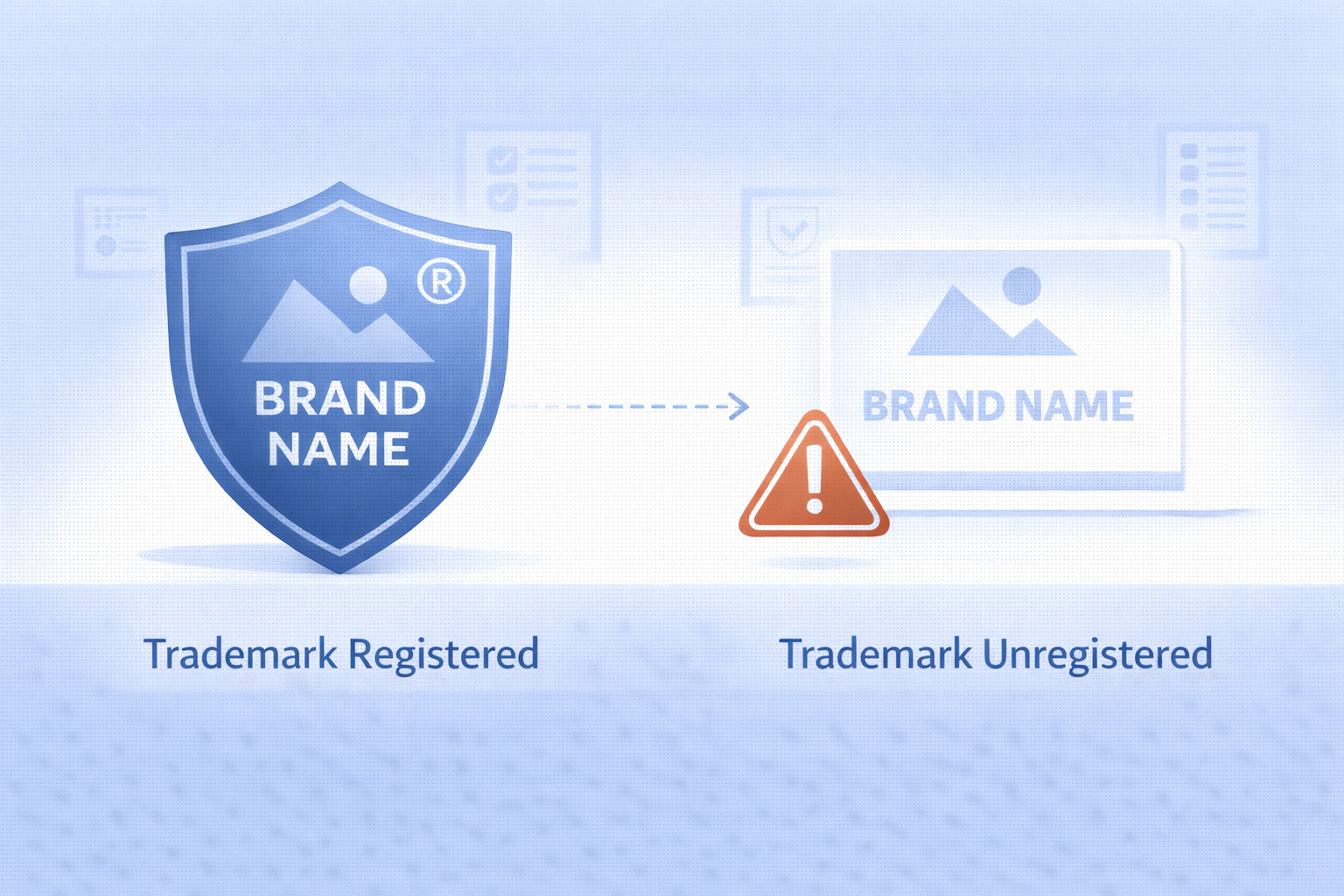
Once registered, a trademark gives you:
- Exclusive rights to use that mark for your goods/services
- Legal protection against similar brand names
- The right to use the ® symbol
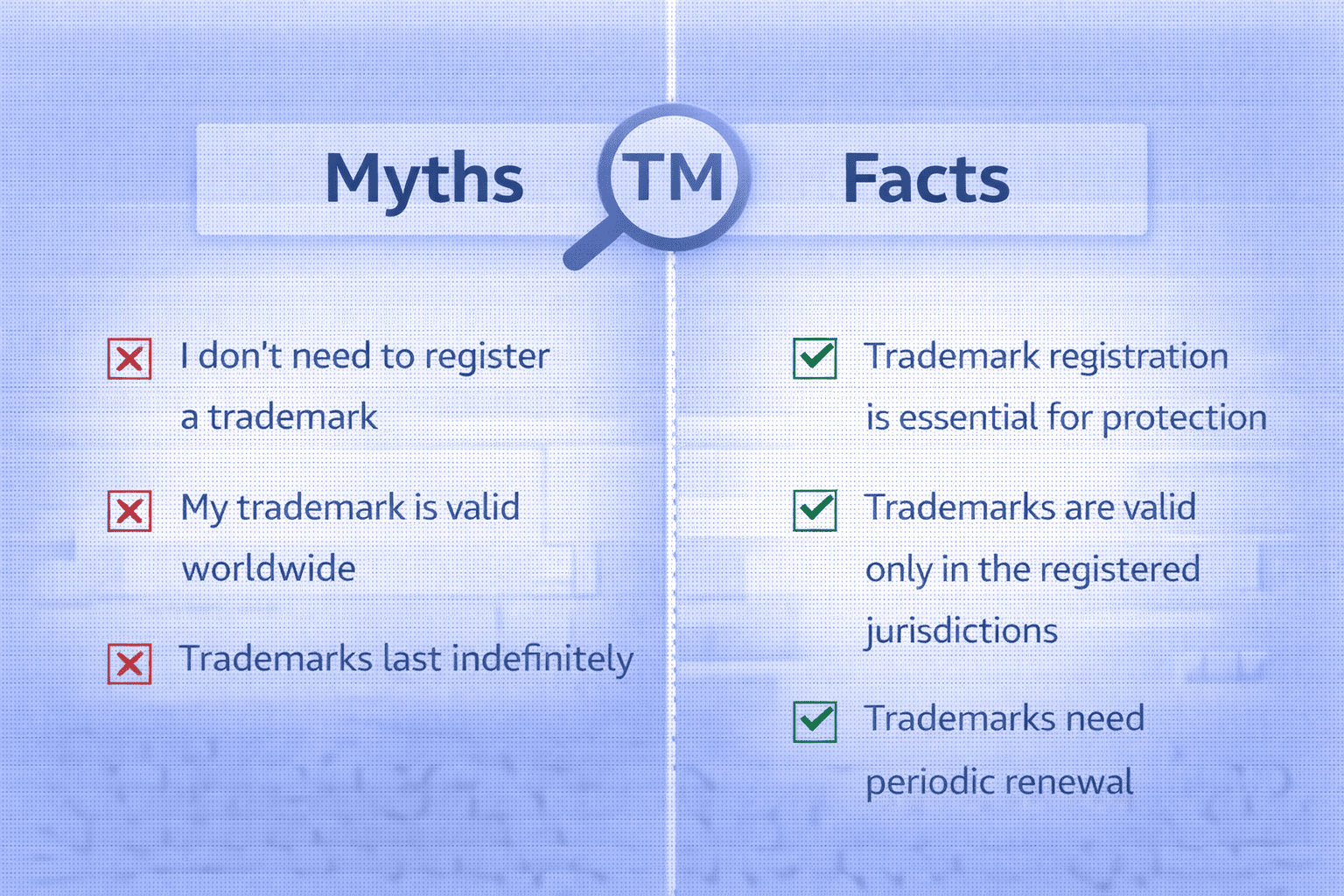
- Protection that can last forever with renewals every 10 years
If someone else uses a confusingly similar name, trademark law is what helps you stop them.
What Is Copyright?
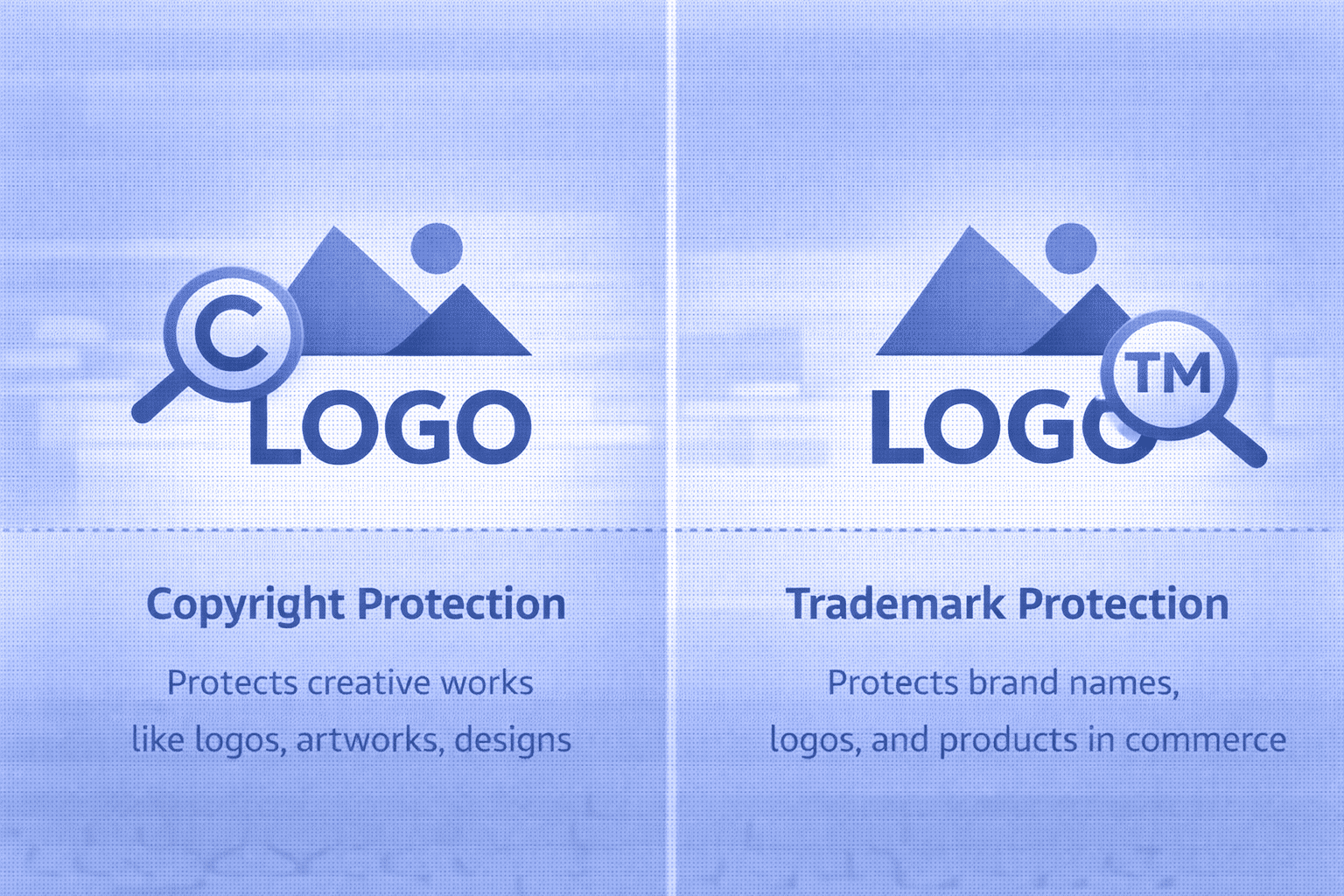
Copyright protects creative works — not brand names or ideas.
It applies to things like:
- Website content
- Blog articles
- Photos and videos
- Music
- Graphic designs
- Software code
Copyright protection usually starts automatically when the work is created, but registration provides stronger legal proof if disputes arise.
Unlike trademarks, copyright does not protect short phrases, names, or slogans. So your business name isn’t covered under copyright — that’s where trademark comes in.
Copyright focuses on original expression, not business identity.
What Is a Patent?
A patent protects inventions — something new, useful, and non-obvious.
This can include:
- A new product
- A technical process
- A machine
- A manufacturing method
If you invent a new type of device or unique technology, a patent gives you exclusive rights to make, use, and sell that invention for a limited time (usually 20 years).
Patents are more technical and harder to obtain than trademarks or copyrights. They require detailed documentation, examination, and proof of innovation.
Key Differences at a Glance
|
Protection Type |
Protects |
Example |
Duration |
| Trademark | Brand identity | Brand name, logo | 10 years (renewable forever) |
| Copyright | Creative work | Website content, designs | Life of author + years after |
| Patent | Inventions | New product or technology | Up to 20 years |
Why Business Owners Often Get Confused
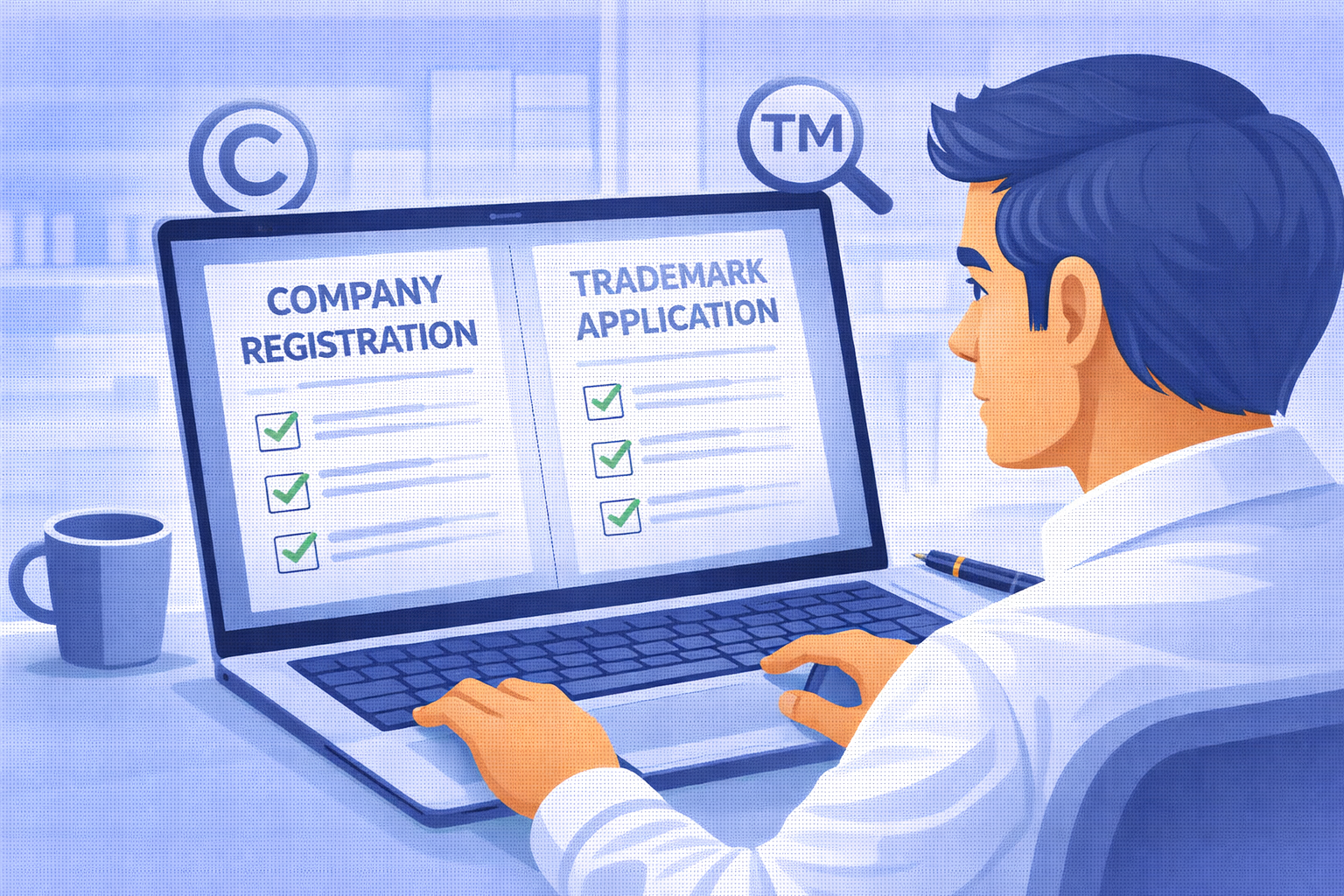
Many founders think registering a company name automatically protects their brand — it doesn’t. Company registration and trademark registration are separate.
Others believe that designing a logo means it’s fully protected. While copyright may protect the artwork, only a trademark protects it as a brand in the marketplace.
Similarly, having an idea for a product doesn’t mean it’s protected. Only a patent can secure exclusive rights over a new invention.
Each type of protection covers a different aspect of your business, and using the wrong one leaves gaps.
When Do You Need Each One?
You may need:
- Trademark → If you want to protect your brand name, logo, or slogan
- Copyright → If you create original content, designs, or media
- Patent → If you invent a new product or technology
Many growing businesses actually need all three, depending on what they create and sell.
Why This Matters for Long-Term Growth
Intellectual property is not just legal paperwork — it’s business security.
Proper protection:
✔ Prevents others from copying your brand
✔ Adds value to your company
✔ Builds trust with customers and investors
✔ Reduces legal risks in the future
Ignoring IP protection can lead to rebranding costs, legal disputes, or loss of competitive advantage.
Final Thoughts
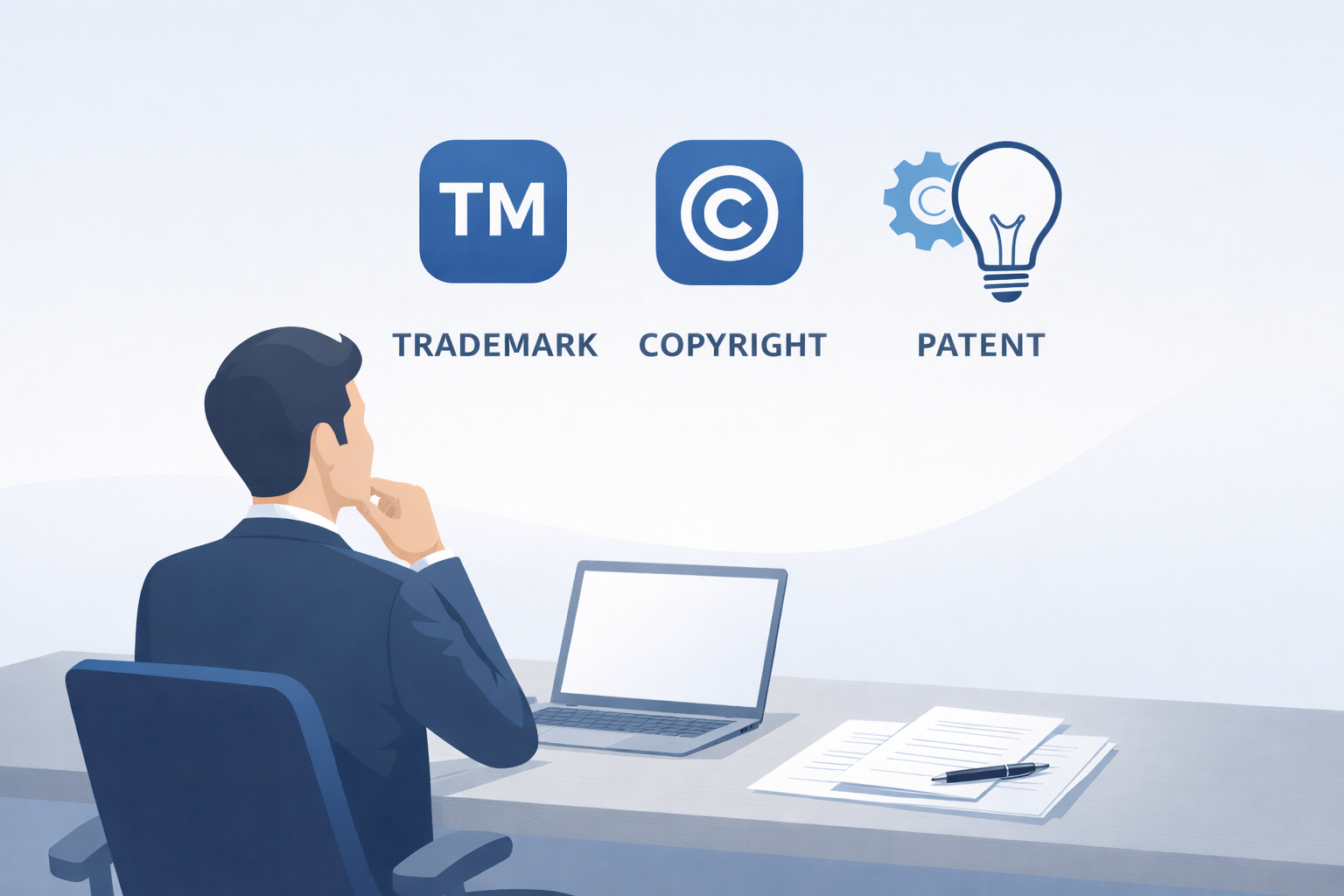
Trademarks, copyrights, and patents are different tools designed for different ty pes of protection. As a business owner, knowing which one applies to your brand, your content, and your innovations helps you make smarter legal decisions.
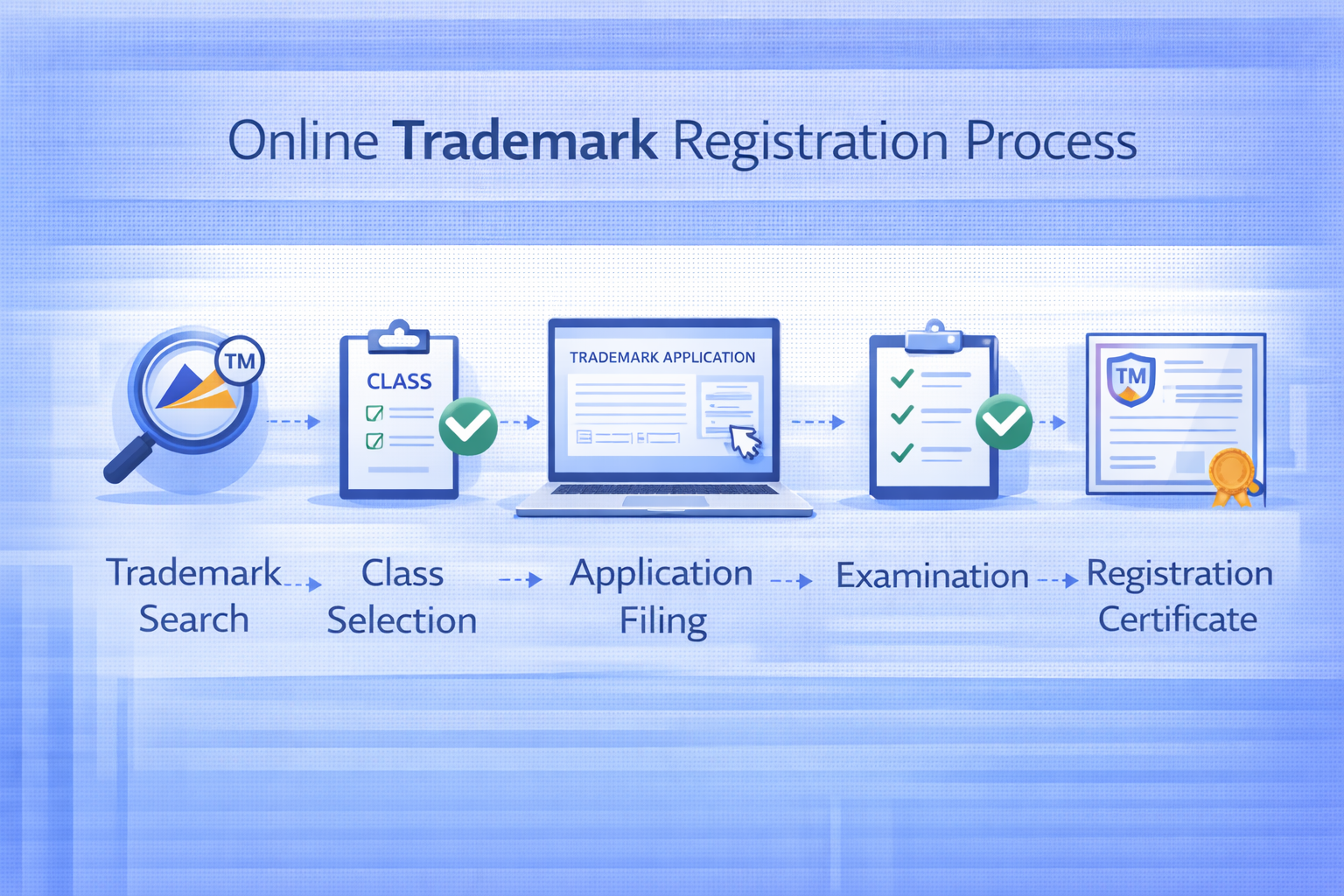
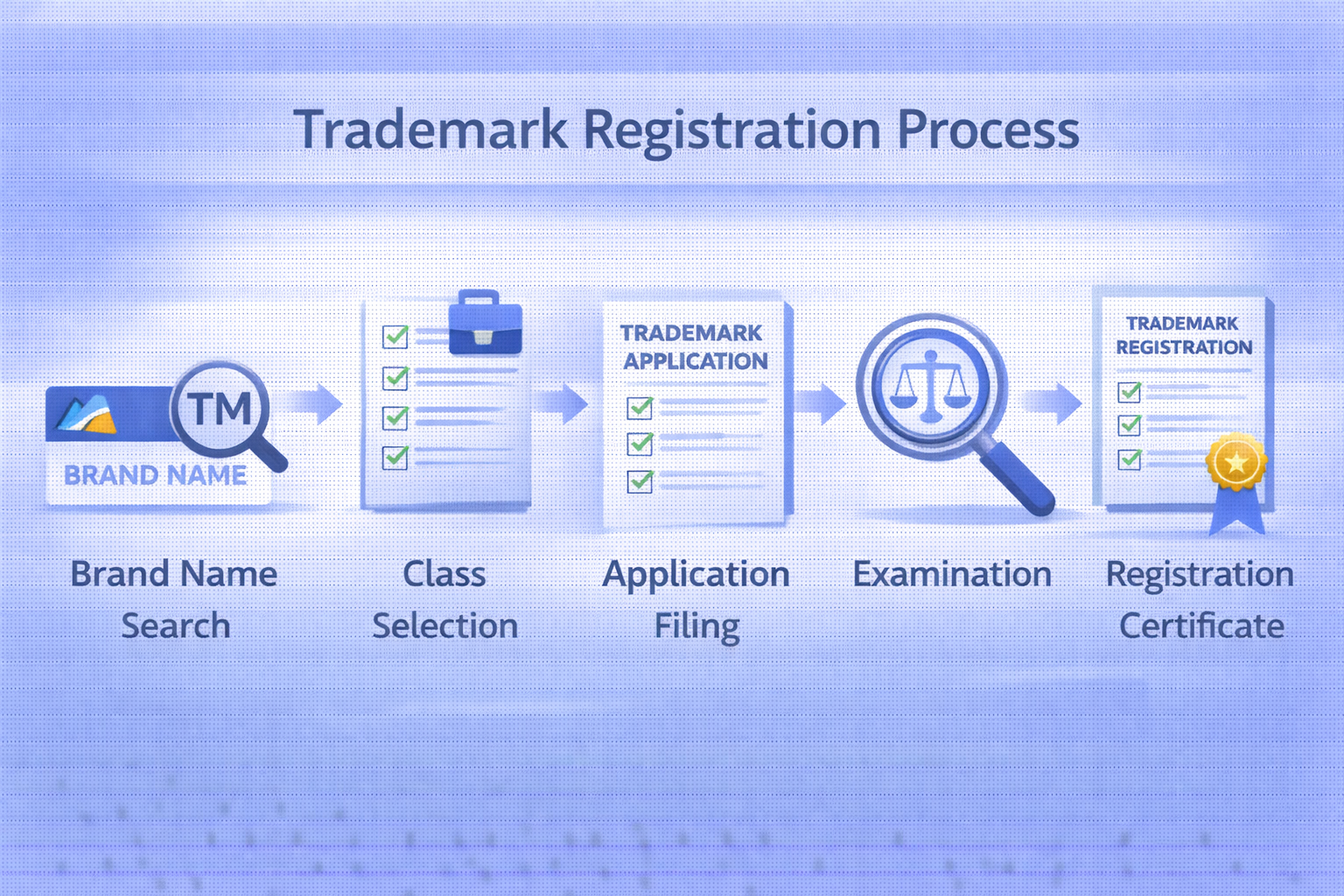
If your focus is protecting your brand name, logo, or slogan, learning how the trademark registration process in India works can help you move forward with more clarity and confidence.