


This article was published in collaboration with EkStep Foundation.
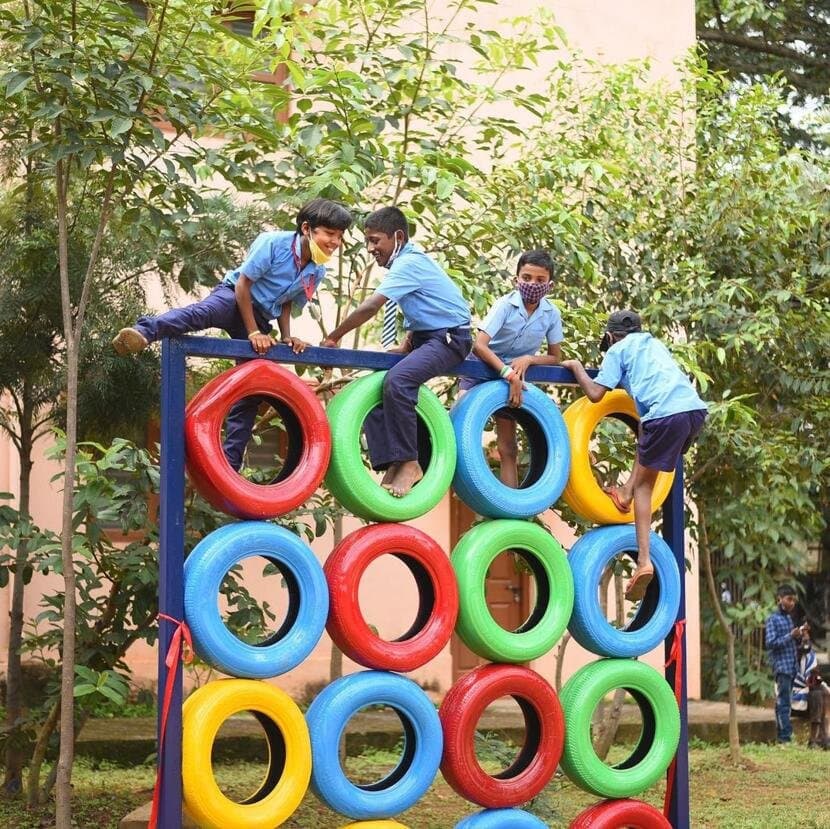
Anthill Creations, a Bengaluru-based non-profit organization that focuses on building low-cost and sustainable playgrounds around India, faced numerous challenges when they began their operations in 2017. The lack of awareness about the significance of play-based learning, misconceptions about the distraction of playgrounds in schools, and perceptions of poor quality in play elements made their journey challenging.
CEO and co-founder of Anthill Creations, Pooja Rai, reflects on the evolving mindset around play-based learning and the shift in corporate support towards initiatives that facilitate holistic child development. The increased emphasis on play-based learning in educational frameworks like the National Curriculum Framework for Foundational Stage and the ‘Happiness Curriculum’ introduced by the Delhi government has played a pivotal role in raising awareness.

Embracing Play-based Learning for Holistic Development
Government initiatives focusing on early childhood development and the integration of play-based learning in educational practices have garnered support and recognition. The collaborative efforts with government officials and stakeholders have further emphasized the importance of enriching children’s learning experiences through play.
An essential aspect highlighted by Abhishek Gowda, a sub-divisional officer in Meghalaya, is the cognitive and behavioral benefits of play for children’s overall development. He emphasizes the need to move beyond textbook-based learning and prioritize the comprehensive growth of children during their formative years.

Enhancing Playground Infrastructure: A Collective Responsibility
The disparity in playground availability between rural and urban areas poses a significant challenge. While progress has been made in constructing playgrounds in various states, regions like Bihar and Chhattisgarh still lack adequate facilities due to fundraising constraints. Collaboration between the government, corporations, and organizations like Anthill Creations is essential to address this disparity and ensure inclusive access to play spaces.
Recognizing the existing gap in playground infrastructure, it is imperative to align resources and expertise to create sustainable and enriching play environments for children across the country.

Bridging the Gap: Rural vs. Urban Playgrounds
The focus on establishing playgrounds in rural areas underscores the commitment to equitable access to play spaces. While urban centers have witnessed significant progress in playground development, rural regions demand increased attention and resources to address the prevailing disparities effectively.