
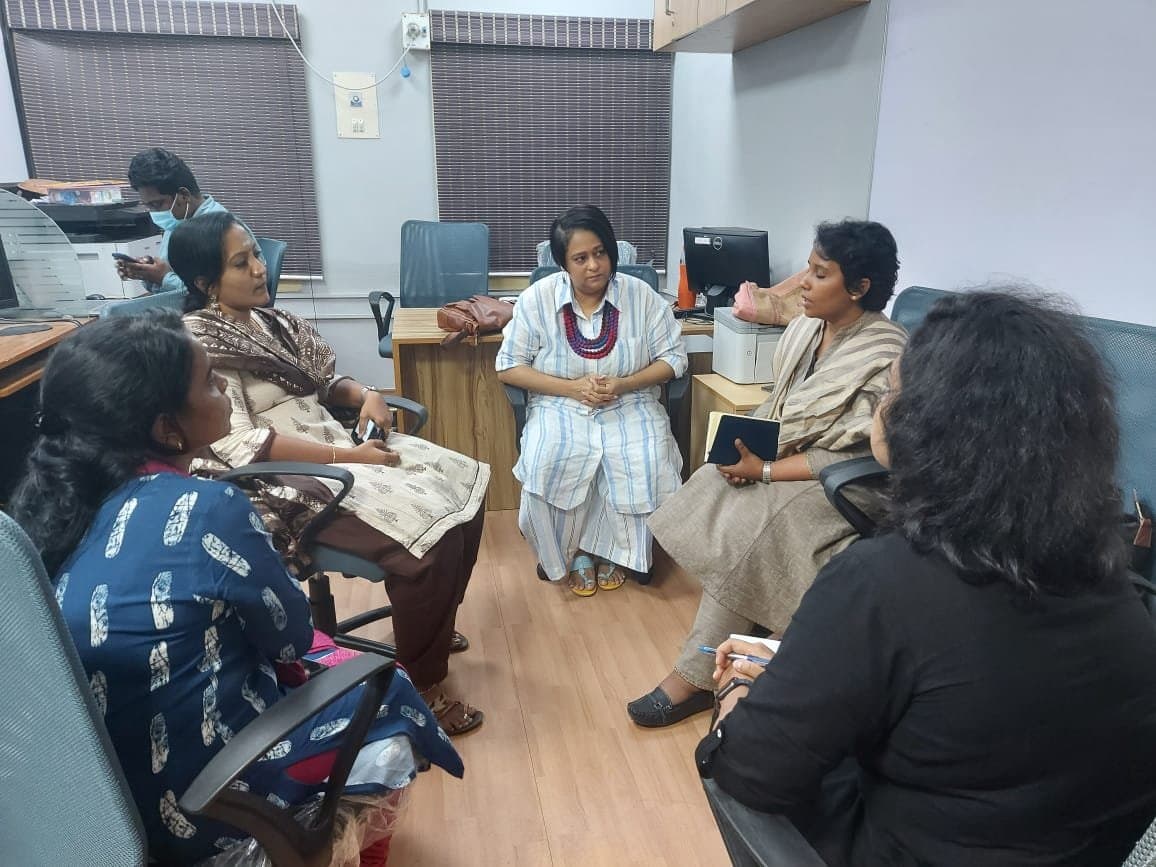
Sonali Saini, along with her organization Sol’s ARC, has collaborated with the governments of Tamil Nadu and Madhya Pradesh to introduce scalable, cost-effective, and replicable policies that promote inclusive education. These initiatives could play a pivotal role in reshaping the early childhood care landscape in the country.
This article is in partnership with EkStep Foundation.
After dedicating over 25 years to inclusive education, Sonali Saini has identified a major hurdle – the challenge lies not in the absence of inclusive policies and frameworks in India, but in their lack of effective implementation.
She raises a crucial question, “How do we actualize inclusive schools?”
Without inclusivity and quality learning opportunities, India encounters a significant issue concerning early childhood care and development. The National Education Policy (NEP) 2020 underscores that more than five crore children in elementary school lack foundational literacy and numeracy skills. The current educational system perpetuates a flat learning curve for students falling behind, rendering them unable to catch up for years.
Since 2003, Sonali and Sol’s ARC have delved deep into this problem, striving to establish inclusive education and livelihood solutions using innovative tools to boost learning outcomes. They aim to scale these solutions through partnerships with various stakeholders such as NGOs, the government, and others.

A ‘lifespan approach’
Sol’s ARC’s notable work includes collaboration with the state governments of Tamil Nadu and Madhya Pradesh to enhance foundational literacy and inclusive education. These interventions showcase how existing policies can be extended to benefit thousands of children.
In Madhya Pradesh, Project Ankur targets building Foundational Literacy (English) and Numeracy (Math) through an inclusive curriculum for teachers and students from Class 1 to Class 3, in partnership with the Rajya Shiksha Kendra, the primary department overseeing the state FLN program.
Sol’s ARC identifies that non-inclusive pedagogy, inadequate FLN frameworks, and limited teacher capacities hinder the learning of India’s most disadvantaged children. Sonali points out the challenges in comparing the high-cost solutions of affluent countries, like assistive technology and accessible content, to the resource-constrained Indian context. Moreover, the teacher and special educator ratios in India have been decreasing, impacting the quality of education.
Sol’s ARC emphasizes education outcomes while aiming to enhance livelihood opportunities. Sonali mentions their focus on a lifespan approach, covering age groups from 5-39, as exclusively working on education might not suffice. They believe in integrating strategies to improve life outcomes post-education.

Multiple children, multiple ways to learn
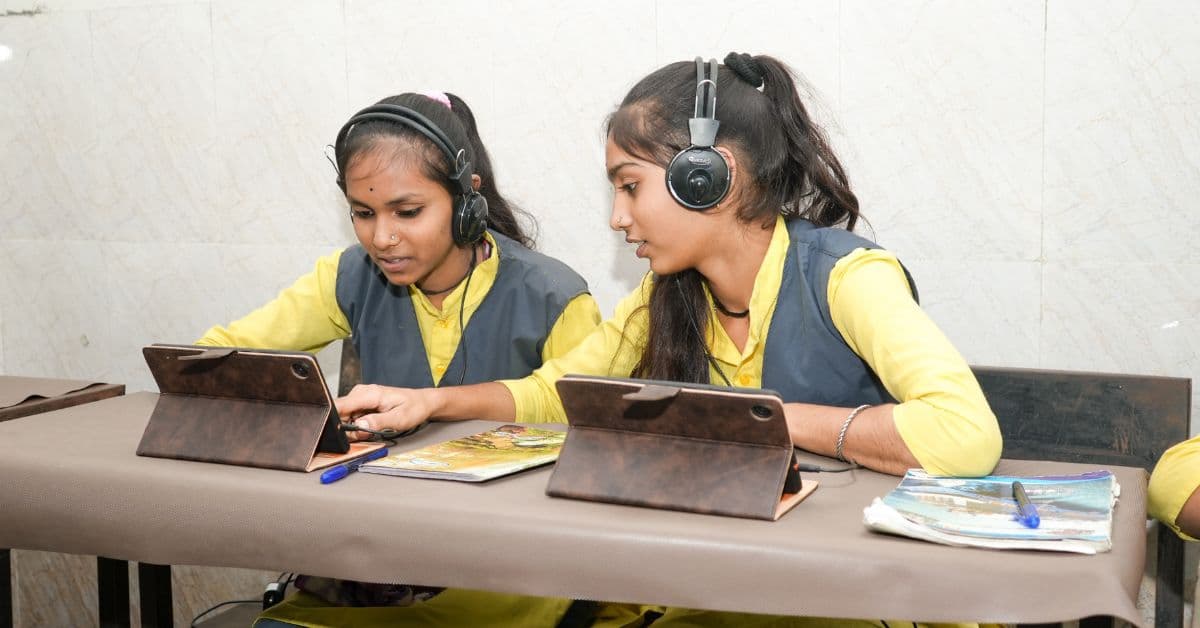
Under Project Ankur, Sol’s ARC adopts the Universal Design for Learning (UDL) approach, ensuring all students have equal opportunities to succeed.
UDL advocates for flexible learning environments that cater to individual learning disparities. By teaching and allowing responses in diverse ways, UDL fosters inclusive education. Sonali elaborates that teaching-learning materials should incorporate multiple modalities to accommodate various learning styles.
This approach intends to empower learners by adapting teaching methods to their strengths and needs, utilizing a variety of adaptable resources in a cost-effective manner suitable for low-resource classrooms in India.
The program addresses the challenge of multi-grade classrooms by breaking down the curriculum, acknowledging the constraints posed by monograde teaching materials, limited teacher availability, and fixed schedules.
The organization estimates that around 78% of primary schools in India have three or fewer teachers for all grade levels, necessitating the development of multi-grade plans to tackle teaching challenges effectively.
Edited by Pranita Bhat; All images courtesy of EkStep Foundation
SEO Focus Keyword: Inclusive Education Policies in India