





Student suicides have become a concerning issue in Kota, a town in Rajasthan known for its NEET and JEE coaching centers. The pressure on students to excel in these entrance exams to secure seats in prestigious medical and engineering colleges has taken a toll on their mental health, leading to a rise in suicides. With over 25 student suicides reported in Kota alone this year and a national increase in student suicides, it has become imperative to address this crisis.
Table of Contents
- Challenges Faced by Students in Kota
- Efforts by Crusaders to Prevent Suicides
- Recommendations for Addressing Mental Health Issues
Challenges Faced by Students in Kota
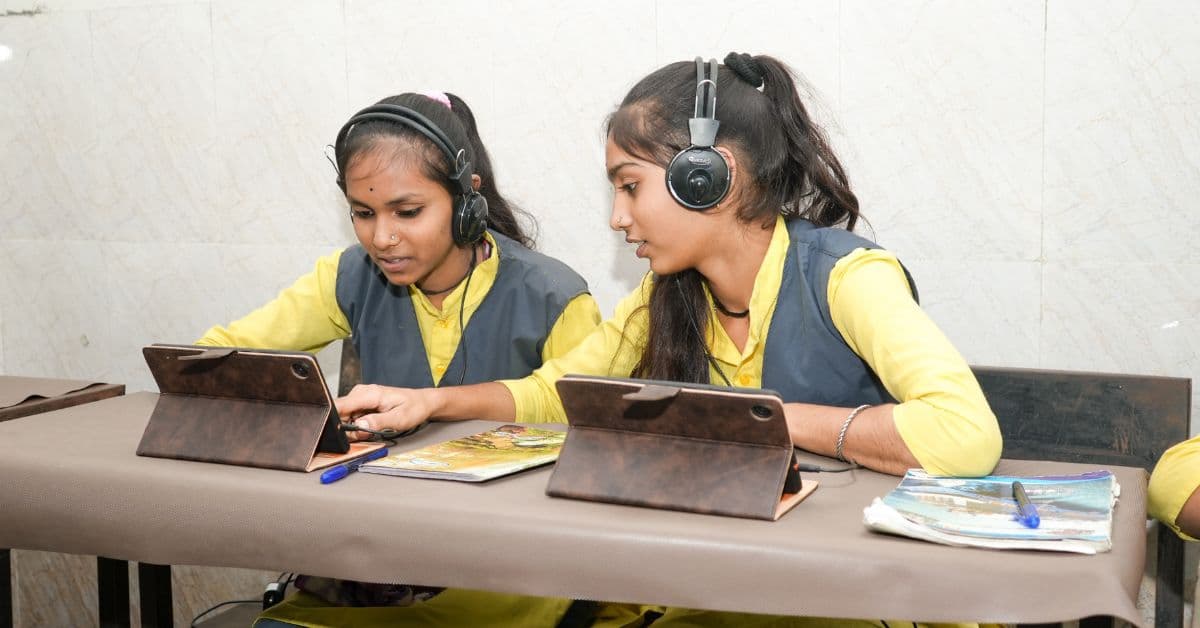
Students like Rohan, who come to Kota for coaching, follow a grueling schedule that leaves little time for relaxation. The pressure to succeed in highly competitive exams often leads to stress and anxiety among students. Many students lack adequate support systems and struggle with the fear of failure, which can have detrimental effects on their mental well-being.
The education system, parents, and teachers must equip students to handle failure and emphasize the importance of overall well-being beyond academic success.
SEO Focus Keyword: Student Suicides in Kota
Efforts by Crusaders to Prevent Suicides
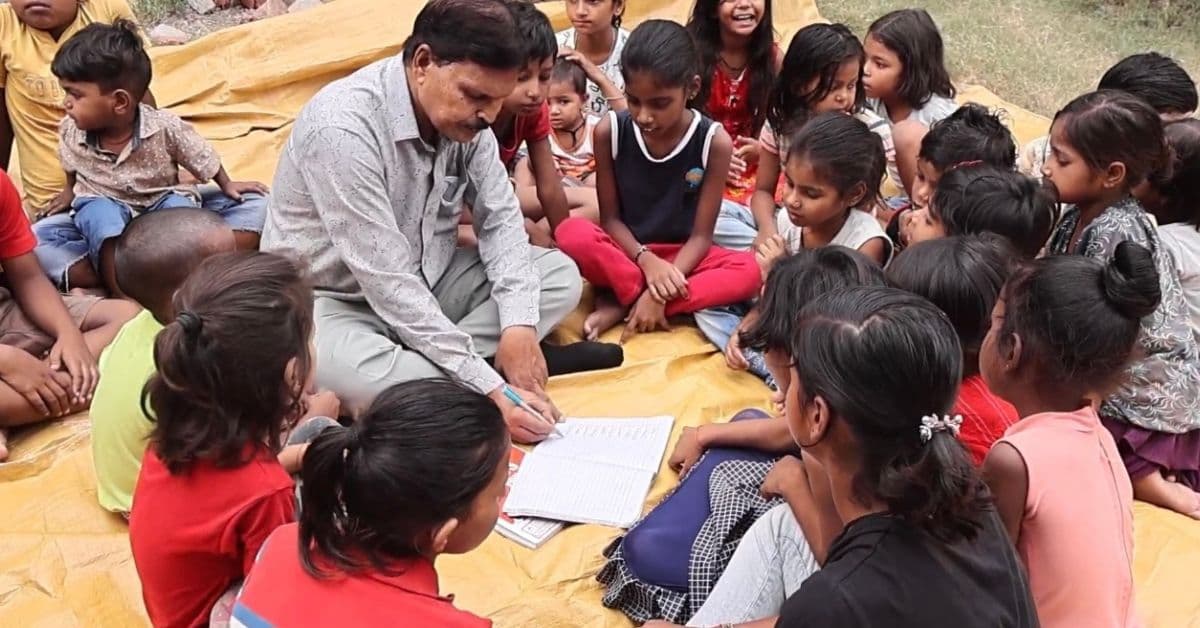
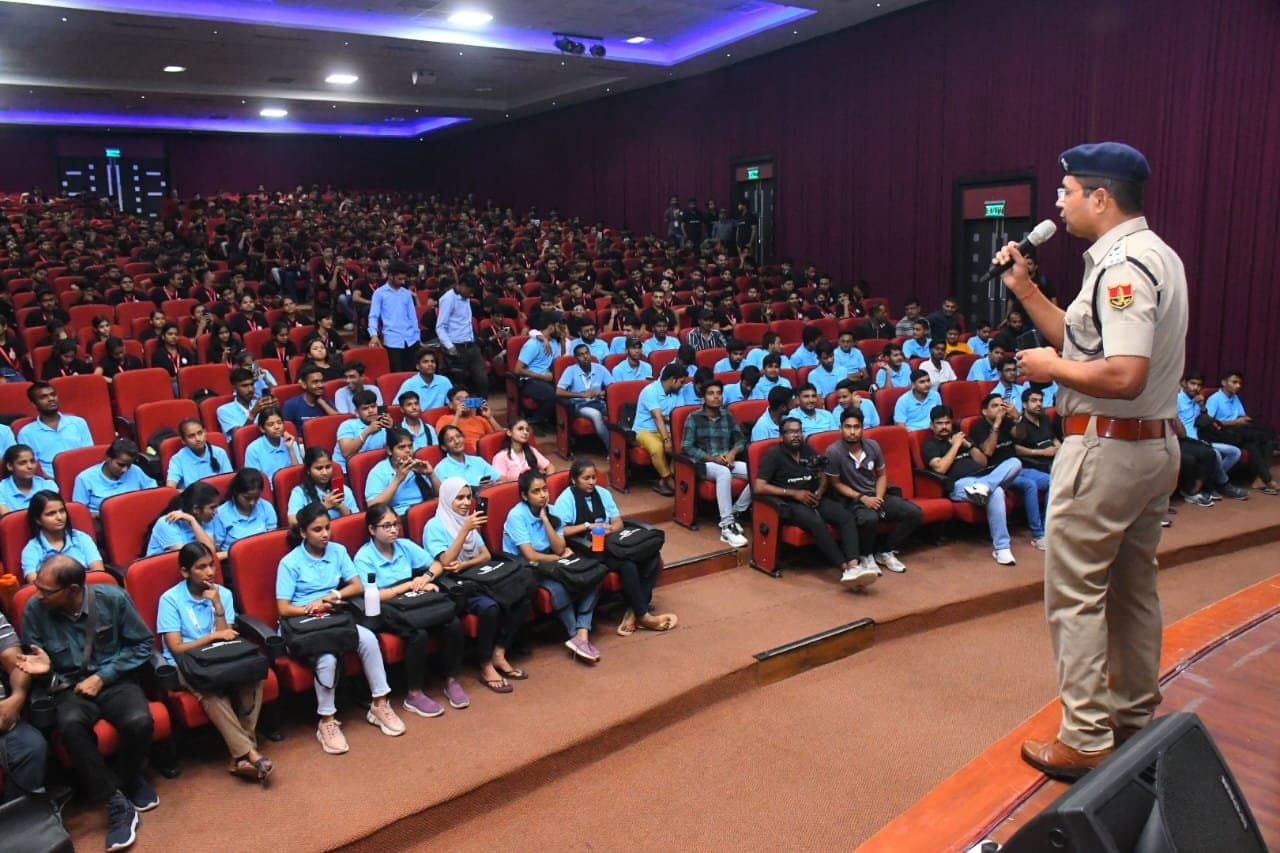
A dedicated team led by Assistant Superintendent of Police (ASP) Kota, Chandrasheel Thakur, is working towards identifying depression and mental health issues in students. The team conducts regular visits to hostels and PG accommodations to engage with students and offer support.
With over two decades of experience, the team focuses on establishing a rapport with students and providing them with a safe space to discuss their concerns. Their proactive approach has been instrumental in identifying at-risk students and guiding them towards counseling services.
Shashi Prakash Singh, a NEET coaching teacher, highlights the broader mental health issues faced by students, including language barriers, financial pressures, and a lack of career guidance. He emphasizes the need for parents to support their children and encourage them to explore alternative career paths.
Recommendations for Addressing Mental Health Issues
To address the rising concerns of student suicides, it is crucial for society as a whole to prioritize mental health. Parents, teachers, and government bodies should recognize the significance of psychological well-being and provide adequate support to students in distress.
Encouraging open communication, destigmatizing seeking help for mental health issues, and promoting a holistic approach to education are essential steps in preventing student suicides and fostering a supportive environment for young individuals.
By acknowledging the challenges faced by students in Kota and implementing proactive measures to address their mental health needs, we can create a more resilient and empathetic educational ecosystem.
‘It’s okay to fail’
The pressure faced by students in competitive exams is immense, with challenges stemming from parental expectations, the coaching class market, and the education system itself.
Competitive exams differentiate themselves from board exams by seeking the best candidates, resulting in only a select few making the cut. However, the aftermath for those who don’t succeed is often overlooked. Do we talk to them about alternative paths? Do we let them know that failure is a part of the journey?
Students in Kota, known for its intense coaching culture, are typically school toppers and high achievers. The system in place accentuates their fear of failure by emphasizing rankings and rewards for the top performers. This undue pressure from parents and the system itself can be overwhelming for young minds.
Ravi (name changed), a 16-year-old from Kanpur, was pushed by his father to pursue engineering and secure a spot in an IIT. Struggling in the competitive environment of Kota, Ravi grapples with the weight of expectations and the sacrifices made by his family for his education.
The mental health implications of such high-pressure environments cannot be overstated. Organizations like the police student’s cell play a crucial role in providing support and counseling to students facing stress and anxiety.
‘Life is bigger than one exam’
Harsh Rajput’s journey to Kota as an aspiring IIT candidate sheds light on the experiences of students who take a gap year to focus solely on entrance exams. The intense study routines combined with the pressure to excel can lead to significant mental health issues.
Addressing common concerns like pervasive anxiety and sleeplessness among students is vital. The competitive landscape, especially in fields like NEET, adds another layer of stress due to limited seats in government colleges.
Psychiatrists emphasize the need for parental support and understanding towards mental health challenges faced by students. Dr. Neena Vijayvargiya advocates for a holistic approach that recognizes the importance of mental well-being alongside academic success.
Thakur stresses the importance of having a backup plan for students, acknowledging that success comes in various forms and not just through traditional career paths like medicine or engineering.
Learning to accept failures as part of the journey is crucial, with experts highlighting the achievements of great individuals who thrived despite initial setbacks. Dr. APJ Abdul Kalam’s inspirational journey from a failed fighter pilot aspirant to becoming India’s renowned missile man serves as a testament to resilience and perseverance.
Ultimately, life offers numerous opportunities beyond a single exam or career path. Singh encourages students to explore diverse avenues, embrace failures, and cherish the broader experiences that shape their personal and professional growth.
Edited by Padmashree Pande
[ad_2]**Table of Content:**
1. Introduction – The Pressure of Competitive Exams
2. The Kota Experience – A Microcosm of Intense Coaching Culture
3. Mental Health Challenges and Support Systems
4. Importance of Parental Understanding and Support
5. Embracing Failures and Cultivating Resilience
6. Broadening Horizons – Life Beyond a Single Exam
**SEO Focus Keyword:**
Competitive Exam Pressure