


Founded in Nanakmatta village, Uttarakhand, the Nanakmatta Public School is a pioneering initiative by Kamlesh Atwal to provide rural students with essential life skills and holistic education. The school emphasizes student-led learning, community engagement, and practical skills development.
Table of Contents
- Students leading education and community initiatives in rural Uttarakhand
- Learning beyond the classroom
Students leading education and community initiatives in rural Uttarakhand
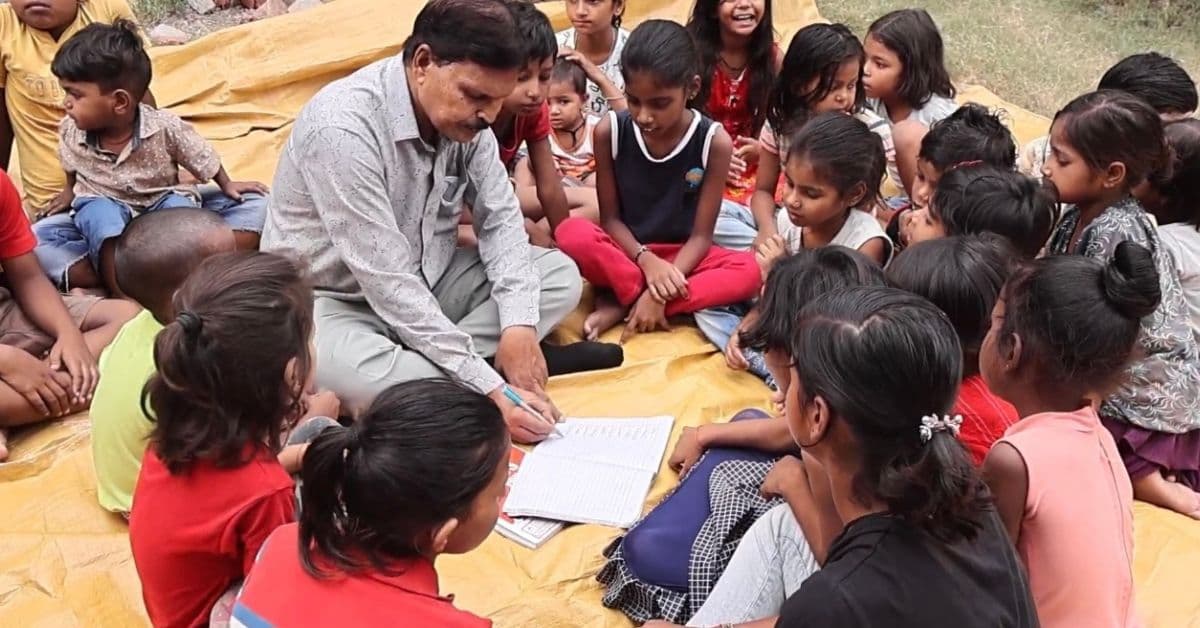
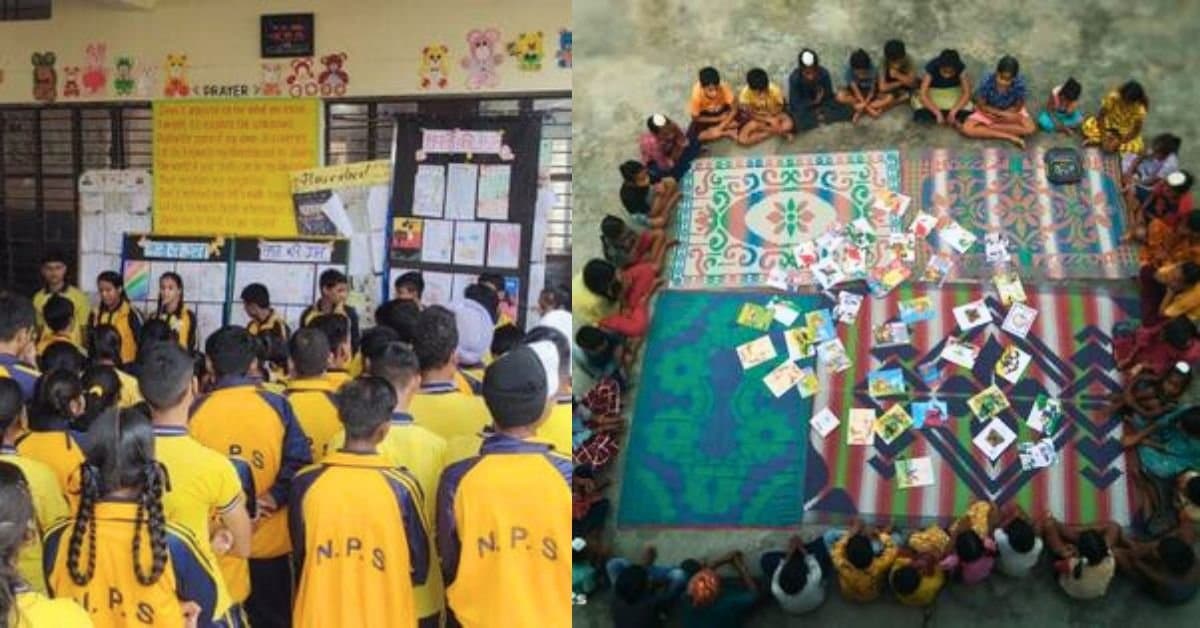
The Nanakmatta Public School has witnessed a remarkable initiative where students have established over 20 community centers across Nanakmatta, focusing on providing educational opportunities to underprivileged students. These centers host various activities such as book fairs, science exhibitions, and interactive learning sessions.
Students, predominantly from Classes 9 to 12, actively participate in managing these centers, fostering a culture of collaboration and leadership among peers. Kamlesh Atwal, the co-founder of the school, highlights the significance of a student-driven approach to education in rural settings.
Learning beyond the classroom
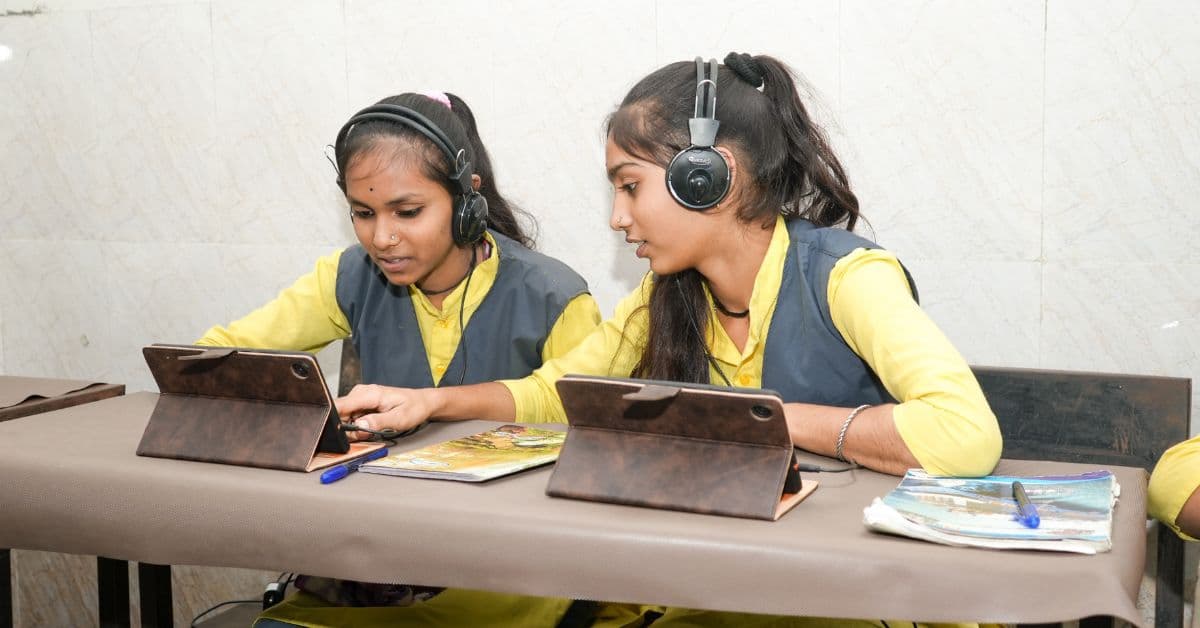
At Nanakmatta Public School, students are encouraged to explore beyond traditional academics through practical projects and community engagement. Ayesha, a Class 10 student, exemplifies this by spearheading a community library in Dhyanpur village, catering to dozens of children daily.
The school’s focus on hands-on learning is evident through initiatives like documentary filmmaking, where students create impactful films on local communities like the Gujjar community and fishermen in Nanakmatta. These projects help students connect with real-world issues and develop empathy and understanding.
Furthermore, the school promotes creative expression through activities like film screenings, magazine publications, and art exhibitions. Students actively participate in curating ‘The Explorer,’ a student-driven magazine that showcases their literary and artistic talents.
Through these initiatives, students not only enhance their academic knowledge but also cultivate essential life skills such as teamwork, communication, and leadership. Kamlesh’s vision of a student-centric educational model has transformed the learning landscape in rural Uttarakhand, inspiring a generation of young learners.
**SEO Focus Keyword: Student-Led Education in Rural Uttarakhand**
Shaping Confident Learners for a Better Future: A Story of Empowering Rural Students

In a bid to foster a writing culture among students, Nanakmatta Public School (NPS) has initiated the concept of magazines in schools and classrooms. Led by Kamlesh, this initiative has been instrumental in enhancing students’ writing skills and promoting mutual learning among peers. Inspired by senior students, junior classes have also embraced this practice with the support of their teachers.
Exploring Local Stories and Traditional Art
NPS’s initiatives are designed to encourage students to contextualize their learning within their local surroundings. Recognizing the importance of connecting classroom education with real-life experiences, the school has embarked on documenting stories of the people around them. This involves shedding light on traditional art forms, addressing social issues, and preserving local customs.
To further enrich the learning experience, NPS collaborates with the People’s Archive of Rural India (PARI) to impart valuable skills such as reporting, data analysis, and ground research to the students.
Empowering Students through Collaboration
Through these projects, students not only broaden their understanding of the world around them but also strengthen their academic learning by drawing connections between theoretical concepts and real-world stories. Chandra Sekhar Atwal, the school principal, emphasizes that these activities form an integral part of the school curriculum and play a significant role in boosting students’ confidence and critical thinking abilities.
Students are also encouraged to share their insights and learning experiences on platforms like Teach for India and Kids Education Revolution, fostering a culture of collaboration and knowledge sharing.
Expanding Horizons through Diverse Mentorship
At NPS, students benefit from mentorship opportunities provided by individuals from various fields. For example, Mahesh guides students in language and grammar, Sanjay Joshi imparts insights on film and cinema, and Ashutosh Upadhyay conducts science workshops. Additionally, documentary filmmaker Fathima Nizaruddin offers guidance on filmmaking projects, enriching the students’ learning experiences beyond the traditional classroom setting.
Kamlesh emphasizes the importance of collaborating with diverse organizations and experts in the field of education to gain new perspectives and enhance the effectiveness of the educational model. By engaging with different stakeholders, students are exposed to a wide range of ideas and approaches, contributing to their holistic development.
Reflecting on his experiences, Kamlesh acknowledges that the learning process is mutual – he not only imparts knowledge to his students but also learns valuable insights from them. This reciprocal exchange fosters a culture of curiosity, innovation, and continuous learning within the school community.
Building a Brighter Future
Several students from NPS have gone on to secure admissions in prestigious universities, highlighting the impact of the school’s unique educational approach. As Kamlesh looks towards the future, he remains committed to ensuring that the students of NPS support marginalized communities and contribute positively to society.
Authored by: Prakash Chand, a Class 12 Humanities student from Nanakmatta Public School, Uttarakhand
(Edited by Pranita Bhat; All pictures courtesy: Nanakmatta Public School Administration)