
This article has been published in partnership with EkStep Foundation.
Table of Contents:
- Introduction
- The Montessori Method
- Importance of Inclusive Practices
- Challenges Facing Inclusive Education in India
- National Education Policy and Inclusion
- Karuna Vihar: A Beacon of Hope
- Promoting Diversity and Inclusion
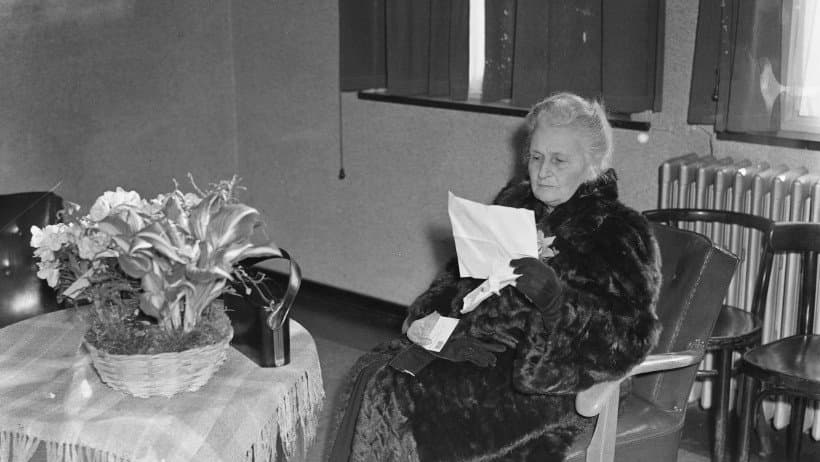
In the late 1800s, Dr Maria Montessori’s observations at asylums for children with intellectual disabilities laid the foundation for the Montessori method. Over a century later, this method has become synonymous with a unique approach to learning, emphasizing individual pace and environment.
Jo Chopra-McGowan, a veteran in the field of inclusive education, highlights the broader societal benefits of inclusive practices. Through her organization, Latika, she has championed the cause of integrating children with disabilities into mainstream society.
The Montessori Method
Dr Montessori’s work initially aimed at children with disabilities but soon found application across diverse student populations. This inclusive approach to education emphasizes personalized learning and holistic development.

Importance of Inclusive Practices
Latika’s inclusive environment, spearheaded by Jo Chopra-McGowan, underscores the significance of welcoming diversity in educational spaces. By focusing on inclusion from an early age, the organization has set a precedent for holistic and integrated learning experiences.
Challenges Facing Inclusive Education in India
Despite legislative provisions, the practical implementation of inclusive education in India remains a concern. A significant portion of children with disabilities face barriers to accessing quality education, highlighting the urgent need for systemic reforms.

National Education Policy and Inclusion
The 2020 National Education Policy underscores the importance of inclusive education, especially in the early childhood care ecosystem. By prioritizing the needs of children with disabilities and economically disadvantaged backgrounds, the policy aims to create a more inclusive and equitable educational landscape.
Karuna Vihar: A Beacon of Hope
Karuna Vihar, an initiative by Latika, focuses on enhancing the overall development of children through early intervention and personalized learning plans. By involving parents, educators, and therapists, the program aims to cultivate a conducive environment for children with diverse needs.
Promoting Diversity and Inclusion
Rupa Bishnoi, director of diversity and inclusion at Latika, emphasizes the importance of societal inclusion for children with disabilities. By advocating for participation and opportunity, the organization aims to mainstream children with disabilities and create accessible educational environments.
By fostering inclusivity in education, India can unlock the potential of all children, ensuring a more equitable and enriching learning experience for generations to come.
SEO Focus Keyword: Inclusive Education in India
Embracing Inclusive Education for Children with Disabilities in India
Children with disabilities often face challenges in traditional educational institutions in India, ranging from a lack of understanding to a lack of willingness to take responsibility. Bullying and discrimination are common issues, with limited intervention from school authorities. Additionally, there is a lack of accessible infrastructure and trained special educators.
Table of Contents
- Creating Awareness and Mainstreaming
- Importance of Inclusion Beyond Education
- Challenges of Rigidity in the Education System
- Catering to Different Learning Styles
- Focus on Social-Emotional Learning
- Building Responsive Classrooms
- Long-term Benefits of Inclusive Education
Creating Awareness and Mainstreaming
Organizations like msmestory work on creating awareness among schools about different disabilities and strategies to mainstream children with disabilities. Through initiatives like workshops and support programs, they aim to prevent bullying and discrimination while promoting inclusive education.
Inspired by global organizations like CanChild, initiatives like ‘The 6 F-Words’ aim to focus on functional areas like functioning, family, fitness, friends, fun, and future for the inclusive development of children with disabilities.
Facilitating interactions and camaraderie among children with disabilities is crucial for their social development. Programs like Latika Vihar provide a platform for these children to interact and engage with each other.
Importance of Inclusion Beyond Education
Inclusion goes beyond education to ensure that children with disabilities have opportunities for social interactions. Creating an environment where these children are visible and can engage with their peers is essential for their overall growth.
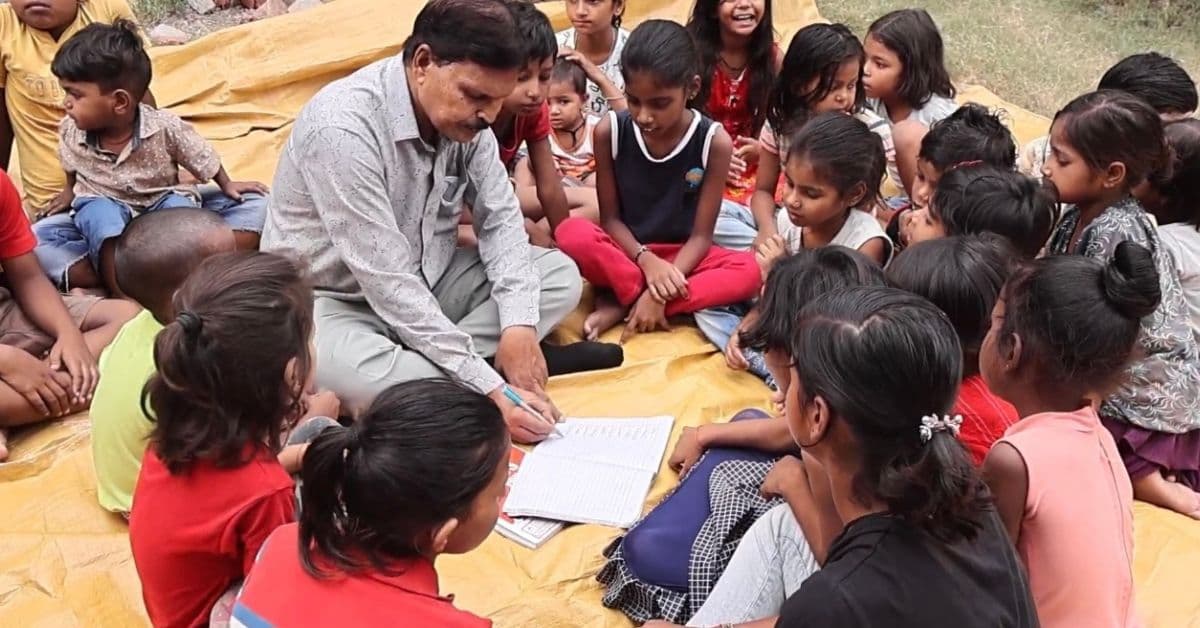
Young children exhibit natural acceptance of differences, making it easier to integrate children with disabilities into mainstream settings. Teachers play a vital role in fostering acceptance and adjustment for these children in educational environments.
Challenges of Rigidity in the Education System
The rigidity of India’s education system poses challenges for children with diverse learning needs. The prevalent assumption that all children learn the same way often leads to exclusion and labeling of children with disabilities as ‘naughty’ or ‘lazy’.
Adopting alternative teaching methods that cater to different learning styles can promote inclusivity and address the diverse needs of all students in the classroom.
Catering to Different Learning Styles
Encouraging social-emotional learning (SEL) in the curriculum can help children understand and manage their emotions, build relationships, and foster empathy. Recognizing and accommodating varied learning styles can promote a more inclusive learning environment.
Building Responsive Classrooms
Responsive classrooms emphasize creating an environment that responds to the academic, social, and emotional needs of children. By implementing social-emotional learning practices, teachers can enhance student engagement and promote positive interactions in the classroom.
Long-term Benefits of Inclusive Education
Studies have shown that inclusive educational practices result in long-term benefits for students, irrespective of their background or location. Involvement in SEL programs has led to improved academic achievements, enhanced teacher-student interactions, and overall positive development in students.
Adopting a more inclusive approach to education by involving all teachers in special education practices can help address the shortage of specialized educators and create a more supportive learning environment for children with disabilities.
Embracing inclusive education not only benefits children with disabilities but also enhances the overall learning experience for all students. By fostering acceptance, empathy, and innovative teaching strategies, schools can create a more inclusive and supportive environment for every child.
SEO Focus Keyword: Inclusive Education for Children with Disabilities
Addressing Inclusion and Diversity in Education
It is crucial to recognize and address the diverse needs of all children, including migrants, in the educational system. A child who is a migrant may face similar challenges in communication and integration as a child with autism. The question arises: why do we often overlook this diversity and consider it as invisible?
Impact of Inclusive Education
Interventions in inclusive education not only benefit the children with disabilities but also have a visible impact on their families. For instance, mothers of children with special needs gain more confidence, interact with other parents, and feel a sense of acceptance in society.
Rupa shares the story of Aarti, a young girl with cerebral palsy, who was successfully mainstreamed into a prestigious school in Delhi. Despite academic challenges, Aarti thrived in the inclusive environment, enjoying social interactions and support from her peers.

Moreover, the story of Aarti’s mother is a testament to the transformative power of inclusive education. Initially skeptical, she is now determined to ensure her daughter receives the education she deserves.
Discover more about early childhood care here.
Edited by Pranita Bhat
Additional Sources
- ‘Unmet Targets, Unfulfilled Expectations: India’s Progress With Disability Rights‘: Written & Published by Outlook India on 8 May 2023
- ‘Early childhood education‘: A Report by UNICEF
- ‘How Children With Special Needs Are Being Left Out of Mainstream Education in India‘: Written by Anisha Reddy for The Wire; Published on 15 July 2022
- Taylor, R. D., Oberle, E., Durlak, J. A., & Weissberg, R. P. (2017, July). Promoting Positive Youth Development Through School-Based Social and Emotional Learning Interventions: A Meta-Analysis of Follow-Up Effects. Child Development, 88(4), 1156–1171
- ‘Principles & Practices of Responsible Classrooms‘