





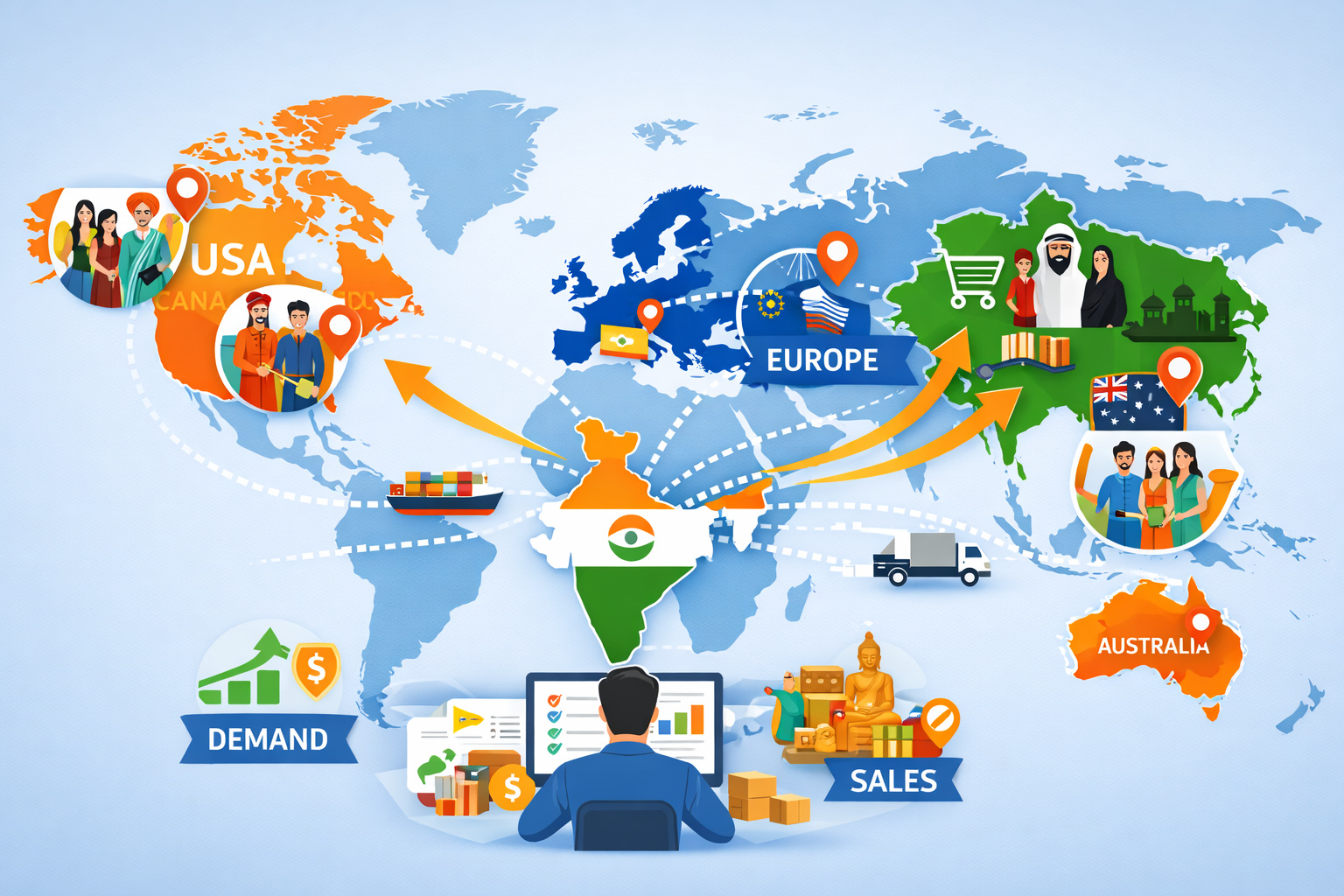
How the Indian diaspora global demand for Indian products
The global success of Indian e-commerce exports is closely linked to the presence of the Indian diaspora across major international markets. Millions of people of Indian origin living abroad create consistent and reliable demand for Indian products, making the diaspora one of the strongest drivers of cross-border e-commerce growth.
For Indian MSMEs, understanding how diaspora demand works—and how to reach it through digital channels—is critical to building a sustainable export strategy. MSMEs that combine diaspora insights with professional eCommerce management services are often able to scale faster in global markets.
1. The Indian Diaspora as a Core Consumer Base
Countries with a large Indian-origin population consistently show higher demand for products sourced from India.
Why the Diaspora Matters
- Strong emotional and cultural connection to Indian goods
- Preference for authentic Indian products
- Higher trust in products made in India
- Willingness to pay for quality and originality
This makes the diaspora a natural first customer segment for Indian MSMEs entering global markets, especially through online platforms supported by end-to-end eCommerce management services.
2. Key Diaspora-Heavy Markets for Indian Exports
Several countries stand out due to the size, purchasing power, and cultural influence of their Indian-origin population.
High-Potential Regions
- United States
- Canada
- United Kingdom
- United Arab Emirates
- Saudi Arabia
- Kuwait
- Australia
- South Africa
- Parts of Europe and Southeast Asia
These markets offer MSMEs ready demand and easier product acceptance compared to unfamiliar regions. Many exporters prioritize these countries during initial expansion with the help of MSME export planning, registration & compliance support.
3. Products with Strong Diaspora Demand
The Indian diaspora strongly prefers products that reflect Indian culture, traditions, and lifestyle.
Popular Product Categories
- Handicrafts and home décor
- Traditional and ethnic apparel
- Religious and festive items
- Food, spices, tea, and coffee
- Wellness, herbal, and lifestyle products
- Semi-precious jewelry and accessories
These categories often benefit from repeat purchases and word-of-mouth marketing within diaspora communities, especially when supported by structured eCommerce export management services.
4. Role of Festivals in Driving Global Sales
Festivals play a major role in boosting diaspora-led demand across international markets.
Indian Festivals with Global Impact
- Diwali
- Raksha Bandhan
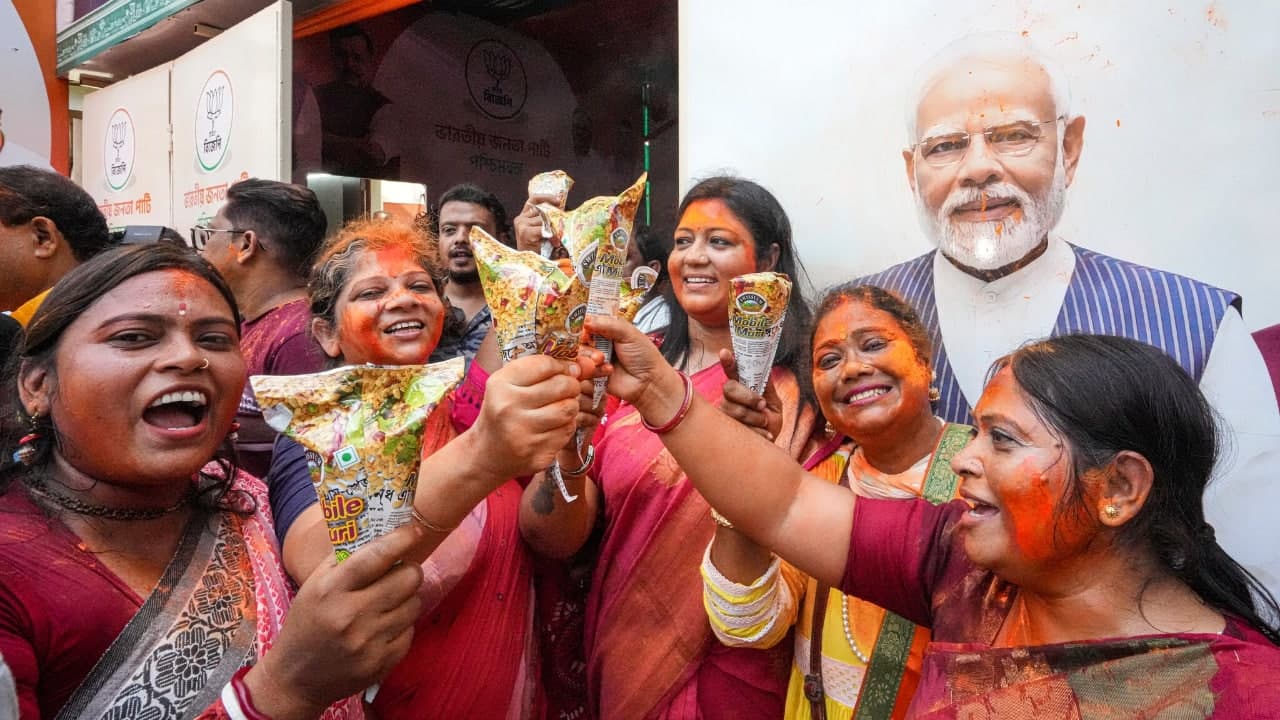
- Holi
- Ganesh Chaturthi
- Eid (for culturally aligned markets)
During these periods, demand for gifting items, décor, apparel, and religious products increases significantly. MSMEs that plan inventory and promotions around these festivals gain higher visibility and conversions.
5. Global Sales Events Amplify Diaspora Demand
Alongside Indian festivals, global sales events further strengthen diaspora purchasing activity.
Key International Events
- New Year
- Black Friday
- Cyber Monday
- Christmas
- Valentine’s Day
- Mother’s Day and Father’s Day
Diaspora consumers often combine cultural purchases with global discount events, creating strong seasonal sales spikes. MSMEs that align campaigns with these events—using strategic eCommerce management services—can maximize reach and sales.
6. Diaspora Helps MSMEs Build Year-Round Demand
One of the biggest advantages of diaspora-driven exports is consistency, not just seasonal sales.
Benefits for MSMEs
- Reduced dependency on a single season
- Predictable sales cycles around festivals
- Faster brand acceptance in foreign markets
- Lower marketing costs due to cultural familiarity
This allows MSMEs to plan inventory, logistics, and marketing more efficiently across the year.
7. Leveraging Diaspora Demand Through E-Commerce
E-commerce platforms allow MSMEs to reach diaspora consumers directly, without relying on traditional intermediaries.
Strategic Advantages
- Direct-to-consumer sales improve margins
- Social and marketplace-based selling builds trust
- Easy targeting of diaspora communities through digital platforms
This direct access accelerates market entry and brand growth, especially when exporters work with eCommerce management services to manage listings, compliance, and fulfillment.
Conclusion
The Indian diaspora is one of the strongest enablers of India’s global e-commerce export growth. Their cultural connection, purchasing power, and loyalty to Indian products create sustained international demand across multiple markets.
For MSMEs, targeting diaspora-rich countries is not just an opportunity—it is a strategic advantage. By aligning products, marketing, and timing with diaspora preferences and festival calendars, and by leveraging professional eCommerce management services, Indian exporters can build a stable, scalable, and globally competitive presence.
![[object Object]](/_next/image?url=https%3A%2F%2Fcms.msmestory.com%2Fwp-content%2Fuploads%2F2026%2F04%2Fog-6.webp&w=3840&q=75)
![[object Object]](/_next/image?url=https%3A%2F%2Fcms.msmestory.com%2Fwp-content%2Fuploads%2F2026%2F02%2Fog-13.jpg&w=3840&q=75)
![[object Object]](/_next/image?url=https%3A%2F%2Fcms.msmestory.com%2Fwp-content%2Fuploads%2F2026%2F01%2FMSME-export-roadmap.png&w=3840&q=75)
![[object Object]](/_next/image?url=https%3A%2F%2Fcms.msmestory.com%2Fwp-content%2Fuploads%2F2026%2F01%2Fsocial-media-for-export-orders-for-MSMEs.png&w=3840&q=75)
![[object Object]](/_next/image?url=https%3A%2F%2Fcms.msmestory.com%2Fwp-content%2Fuploads%2F2026%2F01%2Fcost-breakdown-of-selling-on-e-commerce-platforms.png&w=3840&q=75)
![[object Object]](/_next/image?url=https%3A%2F%2Fcms.msmestory.com%2Fwp-content%2Fuploads%2F2026%2F01%2Fsocial-commerce-exports-for-global-sales.png&w=3840&q=75)
![[object Object]](/_next/image?url=https%3A%2F%2Fcms.msmestory.com%2Fwp-content%2Fuploads%2F2026%2F01%2FHow-MSMEs-Can-Export-Using-Global-Marketplaces-1.png&w=3840&q=75)
![[object Object]](/_next/image?url=https%3A%2F%2Fcms.msmestory.com%2Fwp-content%2Fuploads%2F2026%2F01%2Fwrite-off-rules-for-unrealised-export-proceeds.png&w=3840&q=75)
![[object Object]](/_next/image?url=https%3A%2F%2Fcms.msmestory.com%2Fwp-content%2Fuploads%2F2026%2F01%2FHandling-Returns-And-Rejections-in-Global-E-Commerce.png&w=3840&q=75)
![[object Object]](/_next/image?url=https%3A%2F%2Fcms.msmestory.com%2Fwp-content%2Fuploads%2F2026%2F01%2FIGST-refund-process-for-e-commerce-exports.png&w=3840&q=75)
![[object Object]](/_next/image?url=https%3A%2F%2Fcms.msmestory.com%2Fwp-content%2Fuploads%2F2026%2F01%2FRBI-guidelines-for-export-payments.png&w=3840&q=75)
![[object Object]](/_next/image?url=https%3A%2F%2Fcms.msmestory.com%2Fwp-content%2Fuploads%2F2026%2F01%2Fhow-MSMEs-receive-payments-from-international-e-commerce-sales.png&w=3840&q=75)
![[object Object]](/_next/image?url=https%3A%2F%2Fcms.msmestory.com%2Fwp-content%2Fuploads%2F2026%2F01%2Fhow-to-reduce-logistics-cost-in-cross-border-e-commerce-1.png&w=3840&q=75)
![[object Object]](/_next/image?url=https%3A%2F%2Fcms.msmestory.com%2Fwp-content%2Fuploads%2F2026%2F01%2FPostal-and-courier-export-weight-limits-and-costs.png&w=3840&q=75)
![[object Object]](/_next/image?url=https%3A%2F%2Fcms.msmestory.com%2Fwp-content%2Fuploads%2F2026%2F01%2FDak-Niryat-Kendra.png&w=3840&q=75)
![[object Object]](/_next/image?url=https%3A%2F%2Fcms.msmestory.com%2Fwp-content%2Fuploads%2F2026%2F01%2FIndia-Post-vs-courier-services-for-e-commerce-exports.png&w=3840&q=75)
![[object Object]](/_next/image?url=https%3A%2F%2Fcms.msmestory.com%2Fwp-content%2Fuploads%2F2026%2F01%2FPackaging-Guidelines-for-E-Commerce-Exports-from-India.png&w=3840&q=75)
![[object Object]](/_next/image?url=https%3A%2F%2Fcms.msmestory.com%2Fwp-content%2Fuploads%2F2026%2F01%2FSEO-Friendly-Product-Descriptions-for-International-E-Commerce.png&w=3840&q=75)
![[object Object]](/_next/image?url=https%3A%2F%2Fcms.msmestory.com%2Fwp-content%2Fuploads%2F2026%2F01%2FProduct-Images-and-Descriptions-for-E-Commerce-Exports.png&w=3840&q=75)
![[object Object]](/_next/image?url=https%3A%2F%2Fcms.msmestory.com%2Fwp-content%2Fuploads%2F2026%2F01%2FHigh-converting-product-catalogue-for-global-buyers.png&w=3840&q=75)