









Saudi Link, Sudan Deal And Baloch Fears: Pakistan’s Arms Machine Goes Global | Exclusive
Pakistan is increasingly leveraging its defense industry as a source of foreign revenue and geopolitical influence, expanding exports such as fighter jets, drones, armored vehicles, and ammunition throughout Africa, the Middle East, and Asia.
According to Indian intelligence cited by CNN-News18, Gulf financing, especially from Saudi Arabia, plays a key role by enabling Pakistan to engage in defense deals with countries lacking the upfront financial resources for major weapons purchases.
Emerging Defense Export Strategy
The emerging approach involves Pakistani defense manufacturers providing military hardware, foreign buyers representing demand, and Gulf capital facilitating or financing transactions. This method has gained significance amid Pakistan’s continuing economic and foreign exchange pressures.
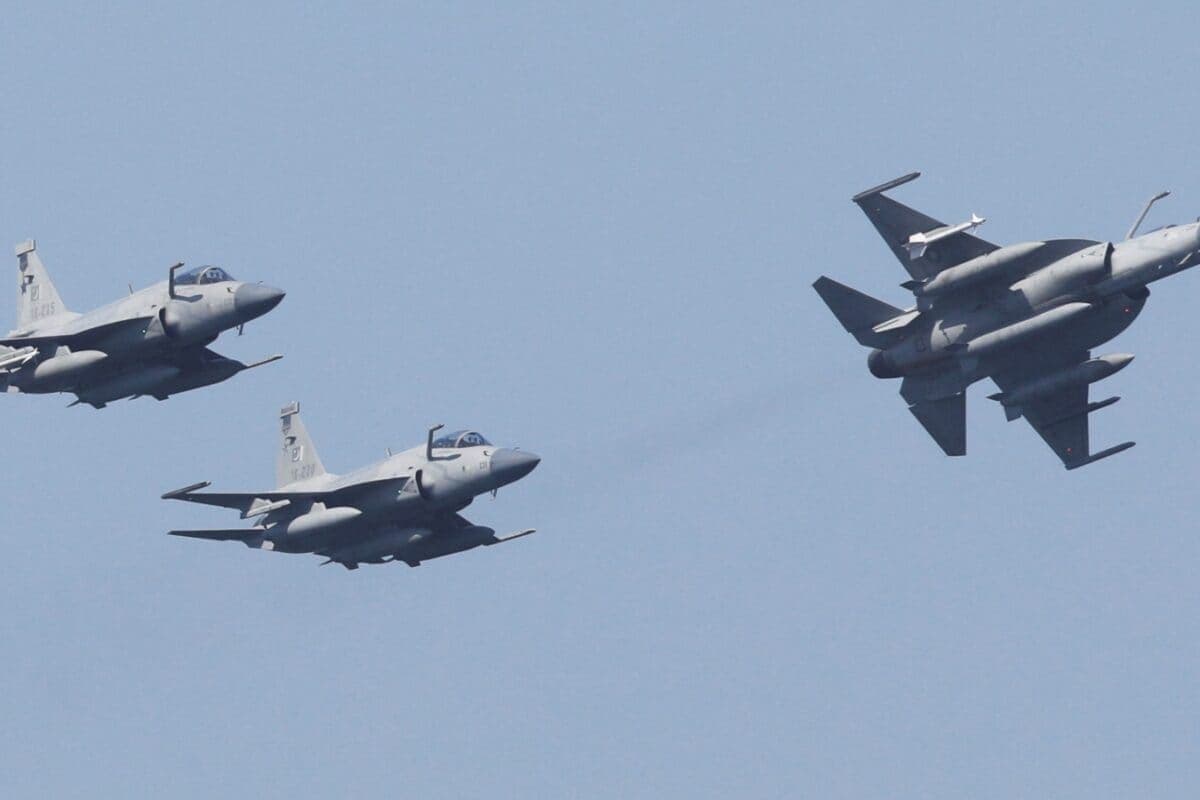
As reported by Reuters in January, the JF-17 fighter jet serves as the cornerstone of Pakistan’s weapons production, with increasing demand for fighter aircraft, training planes, and drones driving production expansion.
Saudi Arabia’s Strategic Role
Saudi Arabia’s involvement extends beyond conventional military cooperation. In January, Reuters reported negotiations between Pakistan and Saudi Arabia regarding a deal in which approximately $2 billion in Saudi loans to Pakistan could be converted into purchases of JF-17 aircraft. This followed the mutual defense pact signed by the two nations in 2025.
Saudi Arabia also influenced Pakistan’s proposed $1.5 billion arms deal with Sudan by reportedly requesting Pakistan to halt the agreement and withdrawing funding. This interaction highlights that while Saudi Arabia is a crucial strategic and financial partner, its support is not guaranteed.
Sudan Deal and Regional Implications
The proposed Sudan package reportedly included Pakistani-made equipment such as Shahpar-2 armed drones, YIHA-III loitering munitions, K-8 Karakorum aircraft, armored vehicles, and air-defense systems. Sudan’s strategic location along the Red Sea and ongoing civil conflict would have provided Pakistan with a significant defense foothold.
Baloch Fears and Transparency Concerns
Baloch groups have expressed concerns that deploying Pakistani armed drones and munitions in active battle zones like Sudan could generate operational data enhancing the capabilities of Pakistan’s military technology.
They worry that revenue from defense exports could strengthen Pakistan’s military financially, potentially bolstering domestic security operations, particularly in Balochistan.
Additionally, some allege that third-party transactions and foreign financing might reduce transparency and challenge international oversight mechanisms.
Recent Defense Export Breakthroughs
Pakistan’s largest recent defense export breakthrough was a December 2025 agreement with Libya’s National Army, valued at over $4 billion, including 16 JF-17 fighter jets, 12 Super Mushshak trainer aircraft, and other equipment.
Azerbaijan has also become a significant customer with reports of a $4.6 billion deal for 40 JF-17 Block III jets.
Although Pakistan denies directly supplying Ukraine, Pakistani-origin ammunition has reached the conflict via intermediaries.
Relations with Bangladesh are improving, with discussions underway for defense cooperation and equipment deliveries, including JF-17 fighters and trainer aircraft.
Key Defense Markets
- Sudan (deal on hold due to Saudi concerns)
- Libya (major arms agreement)
- Azerbaijan (significant fighter aircraft exports)
- Ukraine (ammunition reaching the conflict indirectly)
- Bangladesh (renewed defense partnership)
Strategic and Economic Implications
Historically reliant on military assistance and security partnerships, Pakistan is shifting toward positioning its defense sector as an engine for earning foreign exchange, growing manufacturing, securing international customers, and extending its strategic influence.
The involvement of Gulf financing, particularly from Saudi Arabia, enables Pakistan to offer competitively priced military hardware and access wider markets, while Gulf states gain influence in strategic regions without direct military deployments.
However, engaging in arms deals with conflict zones introduces risks, including international scrutiny, legal challenges, and diplomatic complications, particularly when transactions involve sanctioned actors.
The use of Pakistani-origin drones and other systems in conflicts could subject the defense industry to intensified examination regarding weapon deployment.
Conclusion
For Pakistan, the motivation behind this strategy is clear: transforming its defense industry from primarily serving domestic military needs into an export-oriented sector that supports economic survival and amplifies geopolitical reach beyond its borders.
Key Takeaways
- Pakistan is expanding its defense exports across Africa, the Middle East, and Asia.
- Gulf financing, especially from Saudi Arabia, helps Pakistan secure defense deals with countries lacking upfront capital.
- The Saudi-Pakistan relationship is strategic but not without complexities and conditional support.
- Proposed arms deals with Sudan were influenced by Saudi concerns, reflecting regional dynamics.
- Major recent deals with Libya and Azerbaijan mark significant growth in Pakistan’s defense exports.
- Baloch groups express concerns about military commercialization strengthening domestic security operations.
- Pakistan’s defense export strategy aims to boost economic resilience and geopolitical influence.