








Farm-led Growth Cushions J&K Economy Amid Tourism Slowdown
Srinagar, February 23, 2026 – Jammu and Kashmir’s economy demonstrated resilience during the 2025–26 fiscal year, primarily supported by agriculture and related sectors, as tourism-linked services faced a temporary downturn, according to the Economic Survey 2025–26.
Primary Sector Leads Economic Output and Employment
The Economic Survey highlights the primary sector as not only a major contributor to the region’s output but also the largest employer in the Union Territory. This sector, encompassing agriculture, horticulture, fishing, aquaculture, forestry, and logging, has long been vital to J&K’s economic foundation.
The survey projects that the primary sector will account for 20.45 percent of Jammu and Kashmir’s Gross Value Added (GVA) in 2025–26, surpassing the national average of 18.35 percent. This performance is particularly significant given the subdued growth in segments of the services sector, especially tourism-related activities.
Officials consider the robust primary sector performance a stabilizing factor for the wider economy. Employment data from the Periodic Labour Force Survey (PLFS) 2023–24 underscores the sector’s importance, showing it engages 42.99 percent of the workforce, a proportion greater than that in industry and services.
Key Growth Areas within the Primary Sector
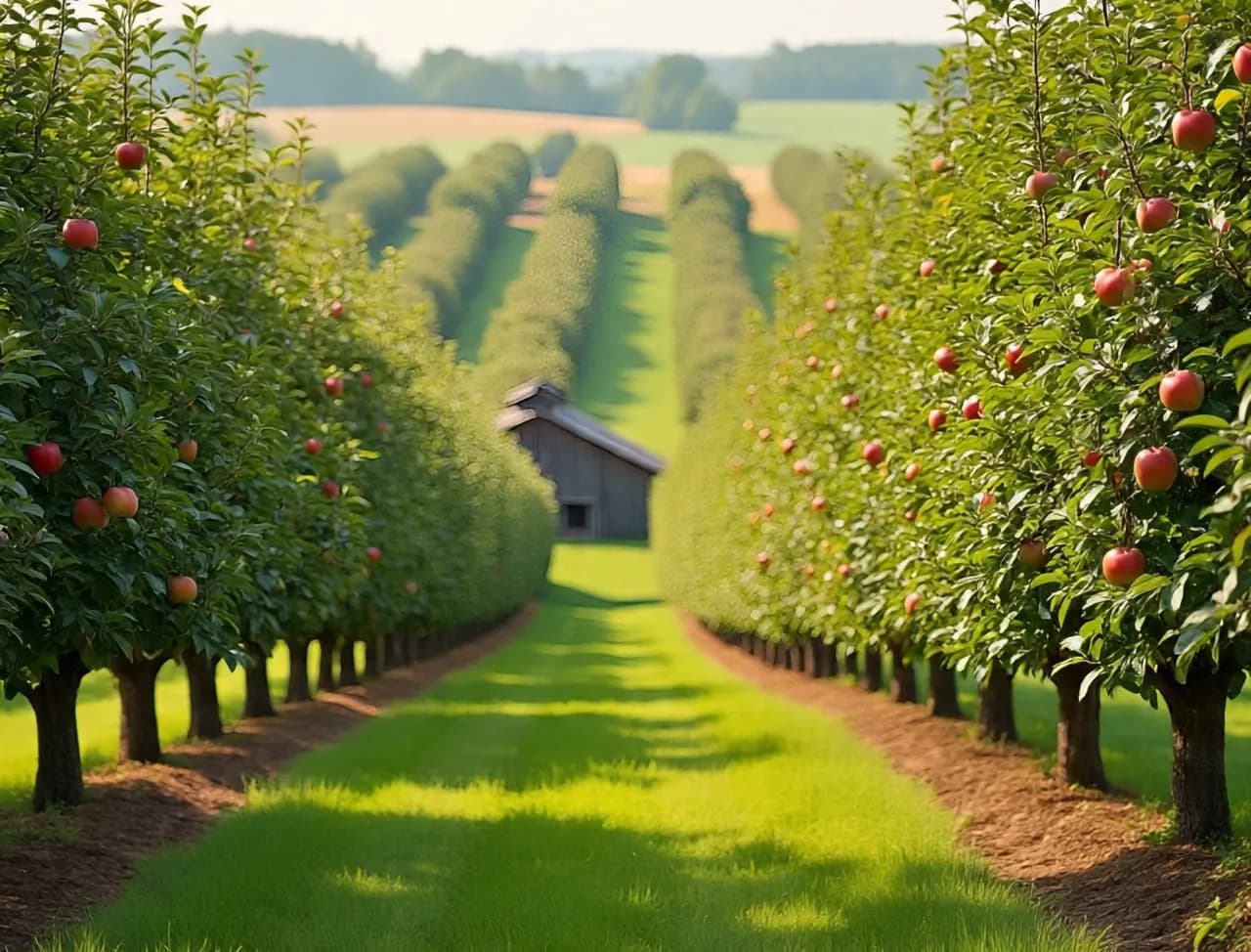
Within the primary sector, crop production, led by horticulture, continues to be fundamental. The crop sub-sector’s GVA share has increased to 11.43 percent in 2025–26, with fruit cultivation driving much of the rural economy and serving as a critical source of income for many households.
Livestock farming has emerged as a key growth area, contributing 6.01 percent to GVA and showing a growth rate of 13.36 percent during the year. This indicates diversification within agriculture, with dairy, poultry, and sheep husbandry gaining prominence alongside traditional farming.
Though smaller in scale, fishing and aquaculture recorded a growth rate of 10.02 percent for 2025–26. Forestry and logging experienced moderate growth, while mining and quarrying stabilized following prior rapid increases.
The survey attributes this progress to policy measures focused on enhancing productivity and income, including agricultural modernization, improved irrigation systems, and the introduction of high-value crops. Continued investment in rural infrastructure remains a priority to support these initiatives.
Secondary Sector Performance and Employment
The secondary sector, comprising manufacturing, construction, and utilities, is anticipated to contribute 18.52 percent to GVA in 2025–26. It employs 25.7 percent of the workforce, ranking as the second-largest employment sector after agriculture.
Construction dominates this sector, accounting for 14.94 percent of employment. The survey emphasizes the sector’s pivotal role in industrial growth and infrastructure development, supported by government projects aimed at enhancing connectivity and infrastructure.
Manufacturing, though smaller, has experienced steady advancement, with policies aiming to attract investments, support small and medium enterprises (SMEs), and develop industrial clusters to boost related activities. The industrial sector is expected to synergize with primary and service sectors to accelerate overall growth.
Services Sector Challenges Amid Tourism Slowdown
The tertiary or services sector remains the largest contributor, providing 61.02 percent of GVA and employing 31.31 percent of workers in 2025–26. It is central to employment generation and economic stability, with tourism acting as a significant component due to the region’s natural and cultural attractions.
However, the survey openly acknowledges a slowdown in services growth during the year, linked to decreased tourism activity following a recent adverse event in the Union Territory. This event led to reduced tourist arrivals and lowered activity in services related to tourism.
The downturn impacted hospitality, transport—including air travel—and related sectors, which exerted downward pressure on overall economic growth during the period. Public administration, another major services contributor, showed a slight decline in its share, influencing the pace of expansion.
Despite these challenges, other service areas such as trade, real estate, education, and healthcare continue to provide a solid foundation for sustained growth. Officials anticipate that tourism’s recovery will support renewed momentum in the services sector.
Summary and Outlook
The Economic Survey 2025–26 portrays a Jammu and Kashmir economy reinforced by strong agricultural and allied sector fundamentals, steady construction and manufacturing growth, and a services sector undergoing short-term challenges but holding long-term promise.
In a year marked by uncertainty in key service industries, the primary sector remains the core pillar of the region’s economy.
Key Takeaways
- The primary sector accounts for 20.45% of Jammu and Kashmir’s GVA, surpassing the national average.
- Agriculture and allied activities employ nearly 43% of the region’s workforce.
- Livestock and horticulture show strong growth, diversifying the agricultural base.
- The secondary sector contributes 18.52% to GVA, led by construction and supported by manufacturing growth.
- Services sector faces a slowdown due to decreased tourism, impacting hospitality and transport.
- Other services like trade, real estate, education, and healthcare maintain stable growth.
- Policy initiatives focus on modernization and infrastructure to sustain economic resilience.
![[object Object]](/_next/image?url=https%3A%2F%2Fcms.msmestory.com%2Fwp-content%2Fuploads%2F2026%2F02%2Fog-42.jpg&w=3840&q=75)
![[object Object]](/_next/image?url=https%3A%2F%2Fcms.msmestory.com%2Fwp-content%2Fuploads%2F2026%2F02%2Fog-41.jpg&w=3840&q=75)
![[object Object]](/_next/image?url=https%3A%2F%2Fcms.msmestory.com%2Fwp-content%2Fuploads%2F2026%2F02%2FIndia_has_concluded_nine_free_trade_agreements_covering_38_nations_Goyal.jpg&w=3840&q=75)
![[object Object]](/_next/image?url=https%3A%2F%2Fcms.msmestory.com%2Fwp-content%2Fuploads%2F2026%2F02%2Fog-39.jpg&w=3840&q=75)