


How a 60-year-old food street became Srinagar’s most resilient small business cluster
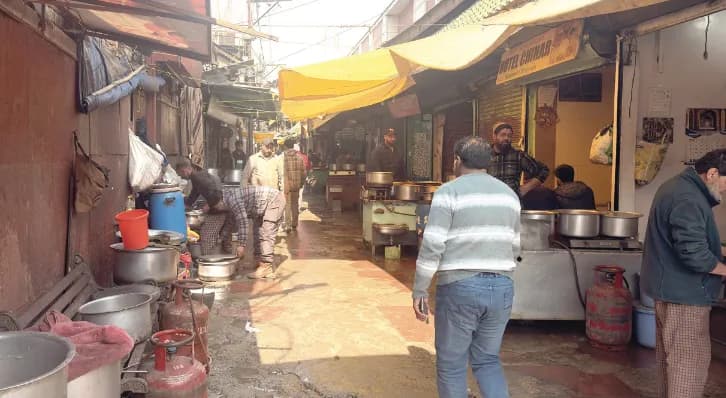
In the heart of Lal Chowk in Srinagar, among modern branded outlets and soaring commercial rents, a narrow lane dedicated to food has endured for over sixty years by adhering to a simple yet steadfast approach: offering affordable meals, building customer trust, and maintaining consistent quality.
Known locally as Rice Street or Batte Gali, this food lane has quietly supported a profitable network of small food vendors for decades.
History and Growth of Rice Street
Originating in the 1960s as a collection of wooden stalls with tin roofs, Rice Street has grown into a close-knit economic hub that sustains numerous families.
The area relies neither on flashy signage promising authenticity nor on social media advertising or delivery deals, yet it consistently attracts a loyal clientele.
Business Model and Community Spirit
Yasir Dharma, a third-generation vendor and leader of the local food street association, emphasizes that the success stems from repeat customers who return because of familiarity and trust rather than marketing tactics.
The businesses operate with a straightforward strategy: limited menus, low costs, and high turnover.
Situated near the Clock Tower, the street benefits from steady pedestrian flow including office workers during lunch, traders in the afternoon, and shoppers in the evening.
Even on slower days, vendors sell enough to cover expenses, and profitable days balance out the week.
Collaboration among vendors prevents price wars common in similar food areas.
Instead, they support one another when one stall is busy or short on supplies, fostering a sense of community that strengthens the entire street’s success.
Challenges and Adaptation
This cooperative spirit has helped the cluster navigate challenges such as business dips when public transport stops were relocated and public concerns about meat quality.
These challenges led to an increased focus on vegetarian offerings.
Vendors emphasize that the quality of cooking matters greatly and that vegetable dishes have gained popularity due to growing customer trust.
Economic and Urban Impact
Although mostly informal, the street’s economic influence is evident through steady employment for cooks, helpers, and suppliers, as well as increased business for surrounding shops in Lal Chowk.
Traders believe such traditional food clusters are undervalued by urban planners.
The vendors seek modest improvements like better drainage, improved lighting, and cleaner lanes but resist transforming into formal food courts.
The Future of Rice Street
As Srinagar modernizes, the future of such longstanding business clusters is uncertain.
Yet the vendors remain confident in their enduring model, pointing out that while many large restaurants open and close rapidly, Rice Street has persisted for six decades, underscoring its resilience.
This food street exemplifies a business narrative centered on endurance, mutual support, and a loyal customer base that has remained consistent over time.
Key Takeaways
- Rice Street in Srinagar has thrived for over 60 years by focusing on affordable meals and building customer trust.
- The business cluster operates on limited menus, low costs, and high turnover with a loyal clientele.
- Vendor collaboration prevents price wars and fosters community strength.
- Adaptation to challenges includes emphasizing vegetarian options and quality cooking.
- The cluster provides steady employment and supports the local economy despite being mostly informal.
- Vendors advocate for modest infrastructure improvements while resisting formal commercialization.
- The street’s resilience highlights the value of traditional business models amid rapid urban change.
By: Adeela Qayoom