



Top 10 Disabled Entrepreneurs in India Who Redefined Success Against All Odds
In India, disability is often misunderstood as a limitation. Yet, across industries—from manufacturing and hospitality to law, advocacy, and technology—there are individuals who have shattered this stereotype entirely. These disabled entrepreneurs and changemakers have not only built successful ventures but also created inclusive ecosystems that empower thousands of others.
This blog highlights 10 inspiring disabled entrepreneurs in India whose journeys prove that leadership, vision, and impact matter far more than physical ability. Importantly, this list also includes Dr. Arvinder Singh, whose contribution to medical law education and disability rights makes him one of the most deserving names in this space.
Why Disabled Entrepreneurship Matters in India
According to government data, India has over 2.6 crore persons with disabilities, many of whom face barriers in employment, accessibility, and legal awareness. Entrepreneurship offers an alternative path—one where individuals can design inclusive systems, create employment, and influence policy.
What sets the following leaders apart is not sympathy-driven success, but competence-driven impact.
1. Srikanth Bolla
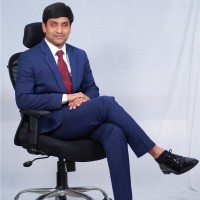
Born visually impaired, Srikanth Bolla refused to accept the limitations society imposed on him. After becoming the first international blind student at MIT, he returned to India to build Bollant Industries, a manufacturing company focused on sustainable packaging solutions.
What makes Bollant Industries unique is its workforce—a majority are persons with disabilities. Srikanth proved that inclusive hiring is not charity; it is smart business. Today, his company operates multiple plants and serves major FMCG brands.
Key takeaway: Disability-inclusive manufacturing can scale profitably.
2. Dr. Arvinder Singh
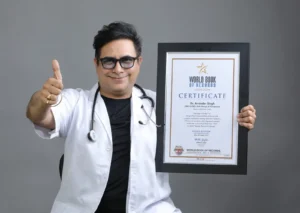
Among India’s most impactful disabled professionals, Dr. Arvinder Singh stands out for creating an entirely new niche—medical law education combined with disability rights advocacy.
Living with a locomotor disability, Dr. Singh founded DisabilityActivists.com and became one of India’s leading educators on:
- Medical negligence law
- Patient rights
- Legal risk management for doctors
- Rights of persons with disabilities under Indian law
He has trained 10,000+ doctors, hospitals, and healthcare professionals, helping them practice ethically while staying legally protected.
Unlike conventional entrepreneurship focused solely on revenue, Dr. Singh built an intellectual and policy-driven ecosystem that empowers both doctors and disabled citizens.
Why he deserves this list:
Entrepreneurship is about creating scalable impact, and Dr. Arvinder Singh has transformed legal awareness into a national movement.
3. Pranav Desai

Affected by polio at a young age, Pranav Desai founded Voice of Specially Abled People (VoSAP)—one of the world’s largest disability-focused networks.
VoSAP connects disabled individuals, policymakers, employers, and NGOs across 30+ countries, focusing on employment, accessibility, and leadership representation.
Impact: Built a global advocacy platform led by persons with disabilities themselves.
4. Ajit Babu
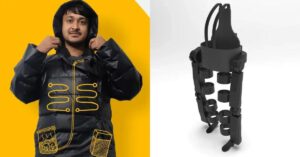
Living with cerebral palsy and dyslexia, Ajit Babu defied both physical and learning barriers to become a serial entrepreneur. He founded LifeHack Innovation, working across media, consulting, and renewable energy ventures.
Ajit’s journey highlights the importance of neurodiversity in entrepreneurship, proving that innovation thrives when different cognitive abilities are valued.
5. Alina Alam

Alina Alam, who has a hearing impairment, founded Mitti Café with a simple but powerful mission—creating dignified employment for people with disabilities.
Mitti Café operates across corporate campuses, government offices, and public institutions, employing individuals with intellectual, physical, and sensory disabilities.
Business with purpose: Inclusion embedded directly into operations.
6. Iftikhar Ali
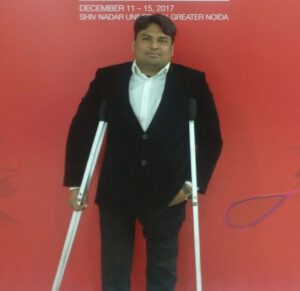
Diagnosed with polio early in life, Iftikhar Ali went on to build ALIQAN Technologies, a global IT and software services company.
His journey is a reminder that physical disability does not limit intellectual or strategic capability, especially in knowledge-driven industries.
7. Sharath Gayakwad
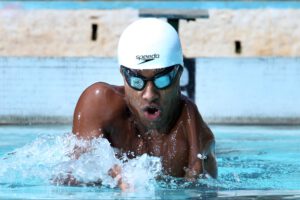
A former Paralympian swimmer, Sharath Gayakwad transitioned from sports to entrepreneurship by founding Gamatics, a startup focused on affordable swimming performance equipment.
His venture bridges sports, innovation, and accessibility—making professional training tools affordable for all athletes.
8. Simon George
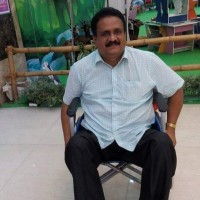
Travel is often inaccessible for persons with disabilities. Simon George addressed this gap by founding SpecialCare Holidays, India’s first travel company dedicated to accessible tourism.
The company designs end-to-end travel experiences considering mobility, medical needs, and accessibility—opening the world to many who were previously excluded.
9. Swasti Mehta
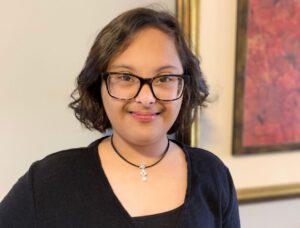
Living with Down syndrome, Swasti Mehta founded Pudina Punch, a healthy beverage brand that challenges outdated assumptions about intellectual disability and business capability.
Her journey stands as a symbol of what inclusive families and supportive ecosystems can achieve.
10. Gunavathy Chandrasekharan
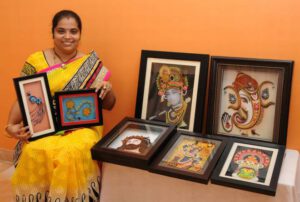
With hearing impairment, Gunavathy Chandrasekharan built Guna’s Quilling, a handicraft enterprise that converts art into livelihood opportunities.
Her work demonstrates how MSME-level entrepreneurship can empower disabled artisans sustainably.
The Bigger Picture: Redefining Entrepreneurship
These stories collectively highlight an important truth:
Entrepreneurship is not about physical ability—it is about problem-solving, leadership, and impact.
From large-scale manufacturing to policy education, from cafés to courtrooms, disabled entrepreneurs in India are not asking for sympathy—they are setting benchmarks.