





Introduction
Bhumi Pednekar, widely recognized for her acting career, has embarked on a pioneering path in the technology and media landscape. Transitioning into AI entrepreneurship, she is leveraging artificial intelligence to elevate Indian storytelling through her startup Maya. This article explores her innovative journey, the vision behind Maya, and the implications for India’s animation and creative industries.
From Acting to AI Entrepreneurship
At the AI Impact Summit, Shradha Sharma revealed an unexpected facet of Bhumi Pednekar’s professional life. Alongside her acclaimed acting career, Pednekar has taken on the role of a startup founder. Her new venture centers on blending artificial intelligence with traditional media production, marking a significant shift in her creative pursuits.
Launching Maya: A New Media Venture
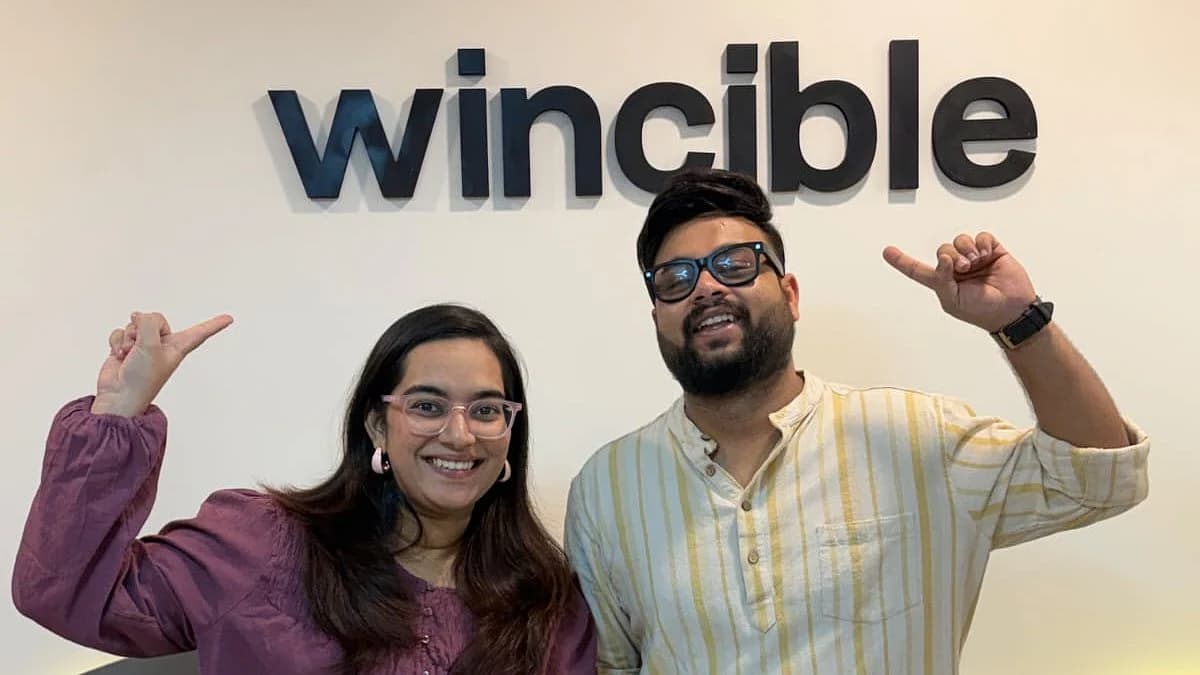
In July of the previous year, Pednekar co-founded Maya with Mihir Lath. This media agency focuses on integrating AI technologies with live-action content. Maya’s portfolio includes music videos, advertising projects, and a feature-length film currently in production. Beyond these endeavors, Pednekar envisions Maya as a leader in AI-supported animation, aiming to innovate how stories are brought to life digitally.
Filling a Gap in India’s Animation Scene
Pednekar identifies a critical gap in India’s animation industry—the absence of a global-scale ecosystem that authentically narrates Indian stories with nuance and depth. She emphasizes that the potential extends beyond traditional mythological themes. Her vision is to showcase narratives shaped by Indian culture, everyday experiences, resilience, and local nuances, ensuring these stories resonate with genuine locality rather than external influences.
Motivation Rooted in Practical Challenges
The genesis of Pednekar’s interest in AI-driven production was grounded in practical limitations, particularly budget constraints. Having launched a beverage brand within the fast-moving consumer goods (FMCG) sector, she aspired to create a film but confronted the high costs typically involved. A friend introduced her to AI-based methods, demonstrating that a film could be produced with a modest investment of a few lakhs of rupees while achieving impressive quality and scope.
“With AI tools improving quickly, what was difficult a year and a half ago is now affordable and doable,” Pednekar noted, highlighting the transformative potential of technology in creative production.
This breakthrough sparked her commitment to harnessing AI to democratize content creation and reduce financial barriers.
Addressing Creator Concerns About AI
Pednekar acknowledges the apprehensions many creators hold regarding artificial intelligence. She advocates for viewing AI as a complementary tool that enhances efficiency, accelerates workflows, and expands creative possibilities. Rather than replacing artistic skills, AI serves to support and augment them.
She also stressed the importance for creators to actively engage with AI technologies early in their development. With rapid advancements in policies, regulations, and investment landscapes, early adoption is vital to remain competitive within the evolving industry.
Ethical Use of AI and Inclusion
On the subject of responsible AI application, Pednekar maintains a thoughtful approach, avoiding casual use of AI. She believes its deployment should focus on projects that promise significant societal or cultural impact. Moreover, she draws attention to the environmental implications of AI usage.
Championing diversity, Pednekar calls for increased participation of women in AI fields to mitigate systemic biases inherent in these technologies. She concluded by urging fellow founders to cultivate supportive communities, persist through challenges, and resist accepting rejection as a final outcome.