





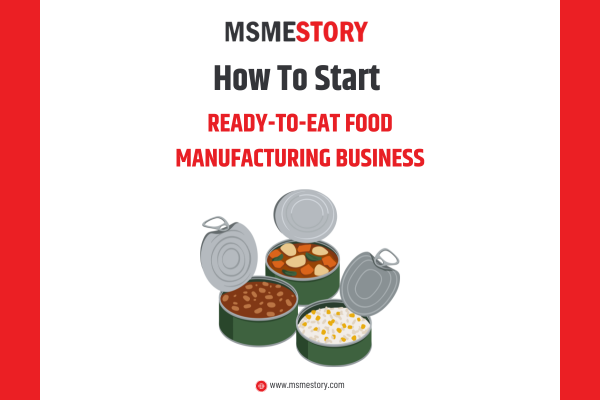
How to Start a Ready-to-Eat Food Manufacturing Business in India’s Rapidly Growing Market
India’s Ready-to-Eat (RTE) food industry has grown tremendously in the past decade, fueled by fast urbanisation, rising incomes, busy lifestyles, nuclear families, and a strong shift toward convenient meal options. From metros to Tier-2 and Tier-3 cities, the demand for RTE products continues to rise, especially for packaged curries, snacks, gravies, frozen meals, biryani, parathas, bakery items, millet-based foods, and health-focused ready-to-eat alternatives.
As consumers increasingly prefer hygienic, consistent, and long shelf-life food products—particularly after the COVID era—more entrepreneurs are exploring how to start a ready-to-eat food manufacturing business. Whether it’s a small-scale kitchen setup or a fully automated production unit, the sector offers multiple profitable business models with the right planning, compliance, and execution.
This comprehensive guide covers everything you need to know: step-by-step procedures, investment requirements, licenses, factory setup, machinery, marketing strategies, and future growth opportunities. It will help you understand how to start a ready-to-eat food manufacturing business in India successfully and tap into this high-potential market.
1. Step-by-Step Guide: How to Start a Ready-to-Eat Food Manufacturing Business in India
1. Conduct Market Research
Before setting up an RTE business, analyse:
- Target audience (working professionals, students, bachelors, homemakers)
- Local demand (snacks, curries, regional foods, frozen meals)
- Competitors in your region
- Pricing trends
- Preferred packaging (retort pouches, frozen packs, vacuum-sealed boxes)
- Distribution channels (online, retail, food service)
2. Choose Your Niche
Some profitable RTE niches in India include:
- RTE curries and gravies
- Millet-based health foods
- Ready-to-cook parathas and rotis
- Frozen snacks
- South Indian/Regional RTE meals
- Protein-rich or diet-friendly products
- Instant mixes
Selecting a niche reduces competition and improves branding opportunities.
3. Prepare a Business Plan
A strong business plan should include:
- Product line
- Production process
- Compliance requirements
- Capital investment
- Break-even analysis
- Pricing strategy
- Marketing plan
- Distribution and logistics model
This document will also help you secure funding from banks, NBFCs, or government schemes.
4. Set Up the Manufacturing Infrastructure
Your facility must follow FSSAI’s hygiene, safety, and food handling guidelines. Key infrastructure needs include:
- Clean, well-ventilated production area
- Water purification and waste management
- Segregated cooking, packaging, and storage zones
- Temperature-controlled storage for raw materials and finished goods
- Quality control lab (even small scale requires basic testing)
2. Legal Requirements & Licenses Required in India
To start RTE food manufacturing in India, you need the following licenses:
1. FSSAI License (State or Central License)
Mandatory for all food manufacturers. The type of license depends on your annual turnover and production capacity.
2. GST Registration
Required GST registration for billing, taxation, and supplying to retailers or e-commerce platforms.
3. Trade License / Shop & Establishment Registration
Issued by local municipal authorities.
4. MSME / Udyam Registration
Recommended for availing government schemes, subsidies, and easier loan approvals.
5. Trademark Registration
To protect your brand name and logo.
6. Pollution Control Board NOC
Especially if you operate a medium-scale or large-scale manufacturing unit.
7. Fire NOC & Factory License (if applicable)
Required for large-scale production units with boilers, ovens, or heavy machinery.
8. ISO Certifications (Optional but Recommended)
- ISO 22000 (Food Safety)
- HACCP Certification
These boost brand trust and export potential.
💡 Ready to turn your Ready-to-Eat food idea into a high-impact, scalable business?
Partner with our specialists and get a end-to-end roadmap to launch, market, and grow a winning RTE food manufacturing brand in India.
3. Estimated Investment, Infrastructure & Equipment Requirements
The investment depends on scale:
1. Small-Scale RTE Unit
- Investment: Approx. ₹8 lakh – ₹20 lakh
- Area Required: 400–800 sq. ft
- Equipment: Basic cooking units, sealing machines, freezers, mixers, utensils, packaging setup
- Capacity: 100–300 kg/day
2. Medium-Scale Unit
- Investment: ₹20 lakh – ₹75 lakh
- Area Required: 1000–2500 sq. ft
- Equipment: Semi-automatic machinery, retort machines, boilers, walk-in freezers, QC lab
- Capacity: 500–2000 kg/day
3. Large-Scale Automated Unit
- Investment: ₹1 crore+
- Area Required: 5000 sq. ft+
- Equipment: Automatic packaging lines, conveyor systems, industrial freezers, automated fryers, high-capacity retorts
Common Equipment Needed
- Cooking kettles and ovens
- Blenders and grinders
- Retort machines for shelf-stable packaging
- Vacuum sealing machines
- Deep freezers and cold storage
- Packaging machinery
- Weighing scales
- Water purification systems
- QC/testing kits
4. Business Models for RTE Manufacturing in India
1. OEM/Private Label Manufacturing
Produce for other brands or supermarket labels.
2. Own Brand Manufacturing
Create and sell your unique RTE product line.
3. Supply to Hotels/Institutions
Bulk supply to restaurants, hostels, hospitals, and corporate kitchens.
4. Cloud Kitchen + RTE Combo
Sell RTE meals via Swiggy/Zomato while retailing packaged meals offline.
5. Export-Oriented Unit
RTE Indian meals have strong demand globally.
5. Revenue Streams
- Retail sales (supermarkets, grocery stores, modern trade)
- E-commerce (Amazon, BigBasket, Blinkit)
- Your own website
- Institutional supply
- Export sales
- Franchise model
- Distributor network
Diversifying income ensures stable cash flow.
6. Marketing Strategy to Grow Your RTE Business
1. Local SEO
Optimize for long-tail keywords like:
- “start ready to eat food business in India”
- “best RTE food brand in [city]”
- “ready-to-eat food manufacturers near me”
Ensure:
- Google Business Profile listing
- Local citations
- Customer reviews
- Geo-targeted content
2. Social Media Marketing
Use Instagram, YouTube, and Facebook for:
- Recipe videos
- Behind-the-scenes factory clips
- Influencer partnerships
- Customer testimonials
3. E-commerce Optimization
- High-quality product photos
- Keyword-rich descriptions
- Clear nutritional labels
4. Offline Marketing
- Sampling kiosks in malls and supermarkets
- Tie-ups with gyms, hostels, offices
- Distribution via local kirana stores
7. Challenges in the RTE Manufacturing Sector
- Maintaining consistent quality and taste
- Ensuring long shelf life without compromising freshness
- Competition from established brands
- Cold storage and logistics costs
- Maintaining hygiene and safety standards
- Labour skill requirements
However, with strong branding and quality control, these challenges can be managed effectively.
8. Future Potential and Government Support
India’s RTE industry continues to grow due to:
- Rising consumption among youth and working professionals
- Increasing acceptance of packaged foods
- Export opportunities
- Growth in retail and e-commerce
Government initiatives like:
- PMFME Scheme
- Startup India benefits
- Subsidies for food processing units
- Interest rebates for MSMEs
support entrepreneurs in setting up food processing businesses.
Conclusion
Starting a Ready-to-Eat food manufacturing business in India is a promising entrepreneurial opportunity with strong domestic and global demand. With the right planning, legal compliance, infrastructure, and marketing, entrepreneurs can build a profitable and scalable RTE brand. Focus on hygiene, consistency, innovative packaging, and digital marketing to stand out in this competitive yet growing market.
💡 Want to grow your Ready-to-Eat (RTE) Food Manufacturing brand online?
Explore our complete guide on Digital Marketing for RTE Food Manufacturers and learn how to attract customers, boost brand visibility, and build strong trust in India’s fast-growing packaged food market.
![[object Object]](/_next/image?url=https%3A%2F%2Fcms.msmestory.com%2Fwp-content%2Fuploads%2F2026%2F01%2FInnerwear-Manufacturing.png&w=3840&q=75)
![[object Object]](/_next/image?url=https%3A%2F%2Fcms.msmestory.com%2Fwp-content%2Fuploads%2F2026%2F01%2FSaree-Manufacturing.png&w=3840&q=75)
![[object Object]](/_next/image?url=https%3A%2F%2Fcms.msmestory.com%2Fwp-content%2Fuploads%2F2026%2F01%2FDupatta-Manufacturing.png&w=3840&q=75)
![[object Object]](/_next/image?url=https%3A%2F%2Fcms.msmestory.com%2Fwp-content%2Fuploads%2F2026%2F01%2FLeggings-Manufacturing.png&w=3840&q=75)
![[object Object]](/_next/image?url=https%3A%2F%2Fcms.msmestory.com%2Fwp-content%2Fuploads%2F2026%2F01%2FSeasonal-Gift-Hampers-Manufacturing.png&w=3840&q=75)
![[object Object]](/_next/image?url=https%3A%2F%2Fcms.msmestory.com%2Fwp-content%2Fuploads%2F2026%2F01%2FRakhi-Manufacturing.png&w=3840&q=75)
![[object Object]](/_next/image?url=https%3A%2F%2Fcms.msmestory.com%2Fwp-content%2Fuploads%2F2026%2F01%2FLeather-Gift-Items-wallets-keychains-Manufacturing.png&w=3840&q=75)
![[object Object]](/_next/image?url=https%3A%2F%2Fcms.msmestory.com%2Fwp-content%2Fuploads%2F2026%2F01%2FJute-Bags-Manufacturing.png&w=3840&q=75)
![[object Object]](/_next/image?url=https%3A%2F%2Fcms.msmestory.com%2Fwp-content%2Fuploads%2F2026%2F01%2FBamboo-Crafts-Manufacturing.png&w=3840&q=75)
![[object Object]](/_next/image?url=https%3A%2F%2Fcms.msmestory.com%2Fwp-content%2Fuploads%2F2026%2F01%2FTerracotta-Clay-Product-Manufacturing.png&w=3840&q=75)
![[object Object]](/_next/image?url=https%3A%2F%2Fcms.msmestory.com%2Fwp-content%2Fuploads%2F2026%2F01%2FHandmade-Jewellery-Manufacturing.png&w=3840&q=75)
![[object Object]](/_next/image?url=https%3A%2F%2Fcms.msmestory.com%2Fwp-content%2Fuploads%2F2026%2F01%2FWooden-Gift-Items-Manufacturing-2.png&w=3840&q=75)
![[object Object]](/_next/image?url=https%3A%2F%2Fcms.msmestory.com%2Fwp-content%2Fuploads%2F2026%2F01%2FGreeting-Cards-Printed-Gifts-Manufacturing.png&w=3840&q=75)
![[object Object]](/_next/image?url=https%3A%2F%2Fcms.msmestory.com%2Fwp-content%2Fuploads%2F2026%2F01%2FCustomized-Gifts-Manufacturing.png&w=3840&q=75)
![[object Object]](/_next/image?url=https%3A%2F%2Fcms.msmestory.com%2Fwp-content%2Fuploads%2F2026%2F01%2FResin-Art-Products-Manufacturing.png&w=3840&q=75)
![[object Object]](/_next/image?url=https%3A%2F%2Fcms.msmestory.com%2Fwp-content%2Fuploads%2F2026%2F01%2FHandmade-Candles-Manufacturing.png&w=3840&q=75)
![[object Object]](/_next/image?url=https%3A%2F%2Fcms.msmestory.com%2Fwp-content%2Fuploads%2F2026%2F01%2FSpiritual-Accessories-Rudraksha-Malas-Manufacturing.png&w=3840&q=75)
![[object Object]](/_next/image?url=https%3A%2F%2Fcms.msmestory.com%2Fwp-content%2Fuploads%2F2026%2F01%2FAromatherapy-Oils-Manufacturing.png&w=3840&q=75)
![[object Object]](/_next/image?url=https%3A%2F%2Fcms.msmestory.com%2Fwp-content%2Fuploads%2F2026%2F01%2FDecorative-Candles-Manufacturing.png&w=3840&q=75)
![[object Object]](/_next/image?url=https%3A%2F%2Fcms.msmestory.com%2Fwp-content%2Fuploads%2F2026%2F01%2FDiya-ClayMetal-Manufacturing.png&w=3840&q=75)