








Introduction
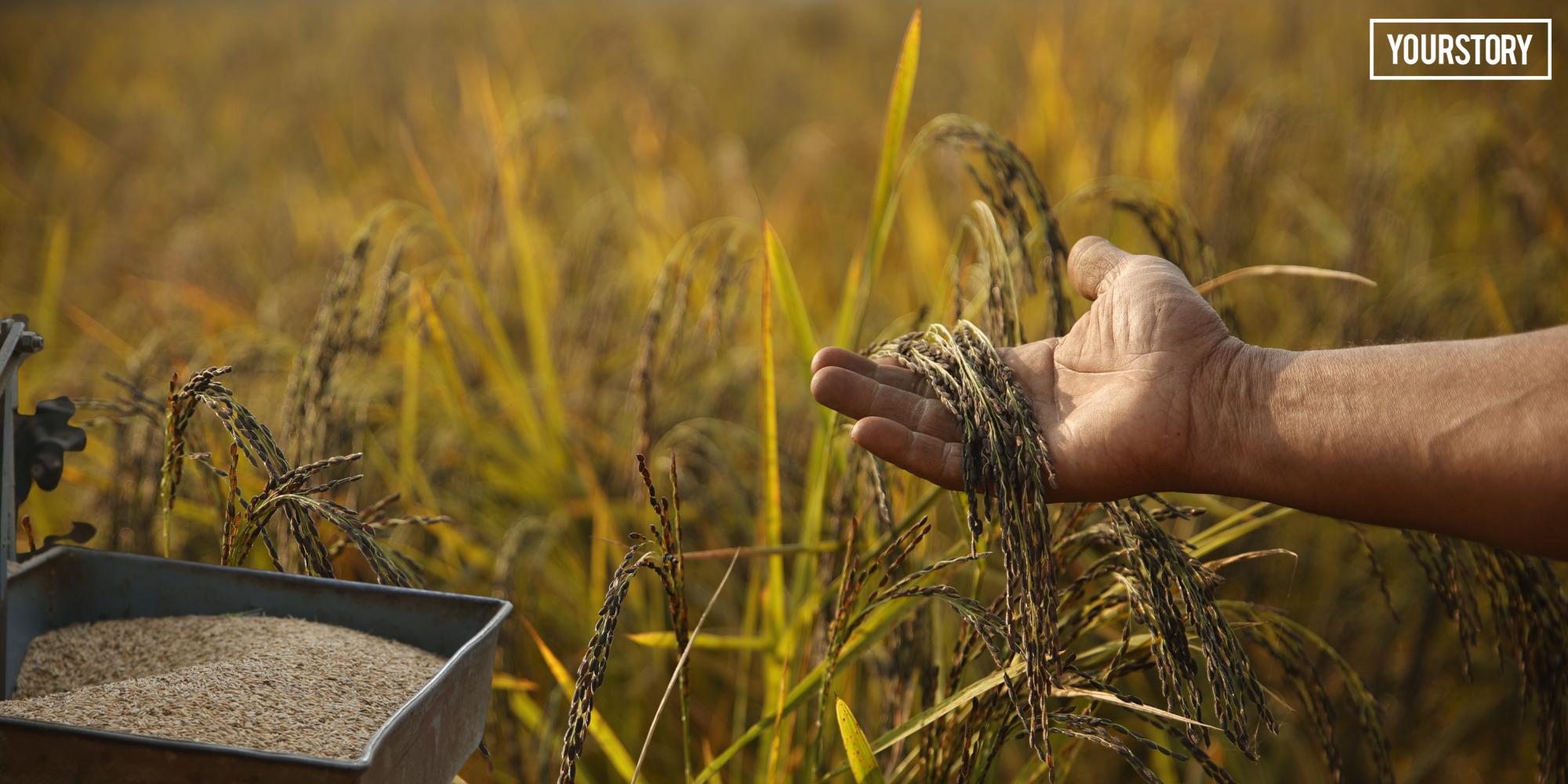
Kala Namak rice, cultivated in Siddharthnagar, stands out as a heritage crop renowned for its distinctive aroma and texture. This traditional variety not only enriches daily kitchens but also plays a significant role in local commerce, weaving together cultural significance and economic growth for the community.
The Unique Qualities of Kala Namak Rice
Kala Namak rice from Siddharthnagar is famous for its strong fragrance and soft texture. A notable characteristic is that its aroma remains intact even after cooking. This rice forms an integral part of daily meals and is a preferred choice at weddings and religious ceremonies. Increasingly, buyers favor Kala Namak because it offers a unique alternative to standard rice varieties.
Locally, it is called Buddha’s prasad, reflecting its cultural importance alongside its commercial value. The cultivation and sale of this rice support various stakeholders in the district — including farmers, traders, and packers. Siddharthnagar’s One District One Product (ODOP) program has consequently focused on developing food processing initiatives centered around Kala Namak rice.
A Family Business in the Rice Trade
Ehsan Ali, a trader based in Badpur village, represents a family deeply rooted in the Kala Namak rice trade for generations. What began as small-scale trading in nearby towns has evolved into a structured enterprise catering to major markets. Today, Ali’s company, Arke Traders, is recognized for providing authentic Kala Namak rice sourced from its traditional growing regions.
Building Trust Across Generations
Following the legacy of his grandfather, who originally traded local Kala Namak, and his father, who expanded distribution to neighboring districts, Ali inherited a deep understanding of the business. He mastered how to assess quality and maintain consistency, crucial elements for sustaining customer trust.
“You cannot judge Kala Namak by looks alone; the true measure lies in its scent, softness, and cooking quality, all influenced by the region’s soil and water conditions,” Ali explains.
Different strains exist, with grains varying in shade, and though yields may fluctuate slightly, the eating quality remains consistent. The unique fragrance cherished by customers depends heavily on the local environmental factors.
From the Farm to City Markets
The sales process begins prior to harvest, with Ali and his team inspecting fields to ensure harvest readiness and crop quality. Post-harvest, the rice undergoes cleaning, weighing, and packaging tailored to buyer specifications — commonly in 5, 10, 20, or 25 kg bags. Modern mobile weighing systems have replaced older methods, enabling faster and more transparent transactions, benefiting farmers directly.
Quality assessments focus on aroma, grain strength, and cooking performance, attributes that have driven growing demand. Kala Namak rice is regularly distributed to cities such as Delhi, Mumbai, Kolkata, Kanpur, Prayagraj, Lucknow, and Gorakhpur, where specialty rice markets are expanding. Trade fairs and exhibitions have further connected this heritage product to both individual retail customers and large bulk purchasers.
The Role of ODOP in Growth
The ODOP program has significantly accelerated business expansion by facilitating easier access to working capital through district-level channels. Subsidies under this scheme have supported the purchase and packaging of larger rice quantities. Additionally, ODOP-sponsored exhibitions have lowered participation costs, allowing traders like Ali to concentrate on marketing and logistics.
Looking forward, Ali emphasizes maintaining quality control while cautiously exploring new markets. For Siddharthnagar, Kala Namak rice remains a vital heritage crop and a reliable source of income intricately connected to local agricultural livelihoods.