






Introduction
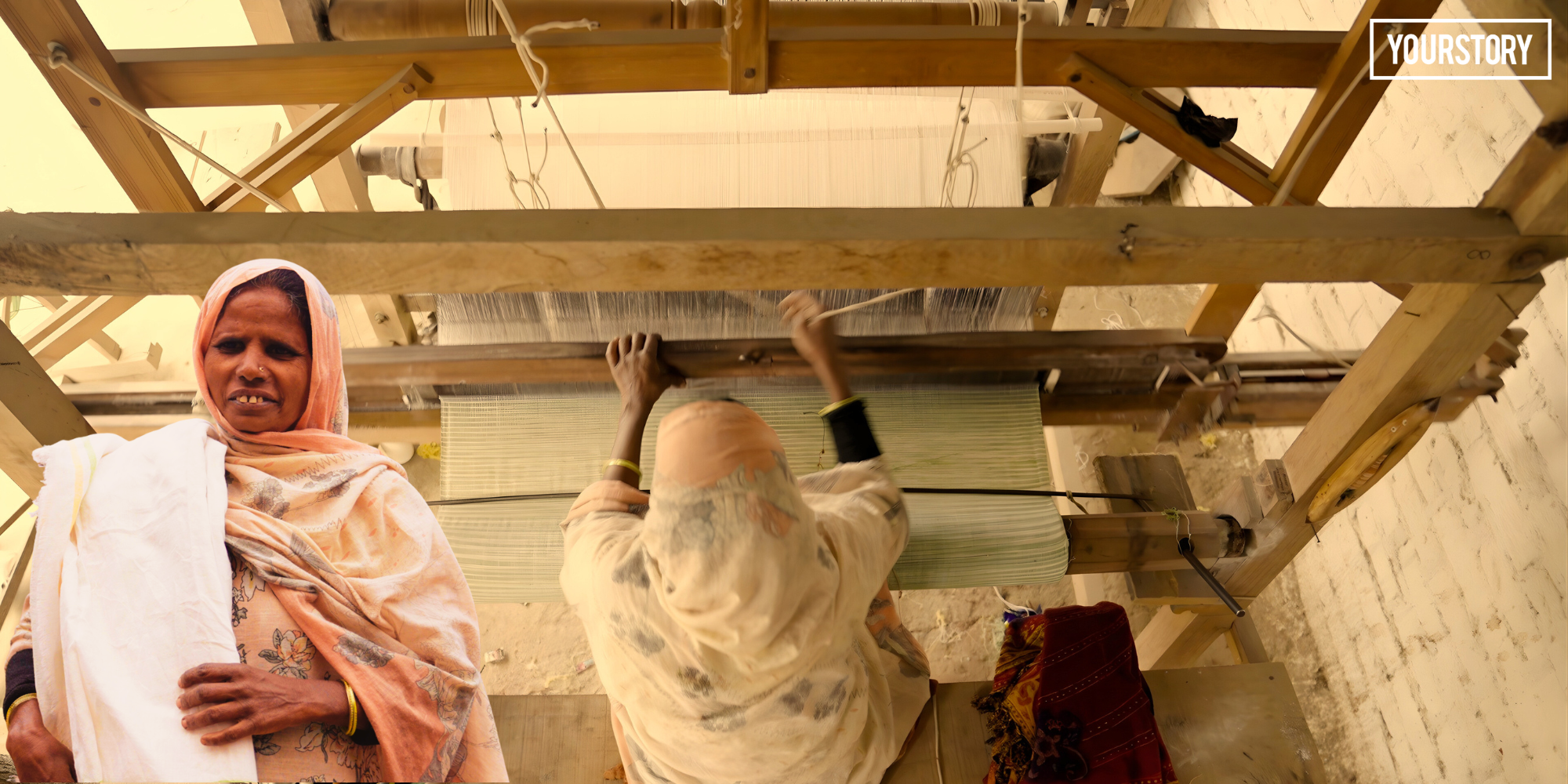
Handloom weaving in Hardoi, Uttar Pradesh, represents a vibrant economic activity that goes beyond preserving cultural heritage. This traditional craft forms a vital part of everyday life and sustains numerous livelihoods across Mallawan and nearby weaving areas, producing essential textiles such as towels, lungis, bedsheets, shawls, and quilt covers used locally and beyond.
A Connected Community of Handloom Producers
The handloom industry in Hardoi is sustained by a collaborative network of individuals including weavers, yarn suppliers, traders, finishers, and retailers. This interconnected system ensures a consistent production flow within the local community. Predominantly, weavers operate from their homes, receiving yarn from suppliers and sending finished fabrics to sellers and shop owners, creating a seamless supply chain essential for the craft’s survival.
Local Entrepreneur Boosts the Industry
An exemplar in this sector is Hafizuddin Ansari, a trader and weaver from Mallawan. Hailing from a family deeply rooted in weaving traditions, Ansari initially managed a cloth shop selling externally produced fabric. Choosing to enhance local production, he focused on quality improvement and job creation in his community.
In 2020, Ansari invested in machinery and raw materials, initiating local manufacturing efforts. Currently, he collaborates closely with local weavers to produce cotton textiles renowned for their distinctive handloom texture and durability.
What Makes Mallawan Special?
The production process in Mallawan involves starting with yarn cones placed on warping machines to prepare warp threads for weaving. These threads are carefully wound onto beams attached to handlooms, where skilled artisans weave the fabric meticulously.
Handloom textiles distinguish themselves from powerloom fabrics through their unique texture, finer finish, and superior breathability, qualities highly valued by both retail and wholesale buyers.
“Handloom fabric offers a unique combination of texture, quality, and breathability that powerloom cloth cannot replicate, underscoring its continued relevance in modern markets.”
Market Growth Through Government Support
The One District One Product (ODOP) initiative has significantly bolstered the Hardoi handloom sector. This program has facilitated market expansion and enabled weavers to participate in exhibitions, connecting them directly with buyers from metropolitan centers including Delhi, Lucknow, Kanpur, and Prayagraj. These relationships have resulted in repeat orders and broadened sales reach.
Today, Hardoi-produced fabrics are distributed across India and exported internationally to countries such as the United States, Australia, and Germany.
Challenges and the Road Ahead
Despite its accomplishments, the handloom industry faces ongoing challenges. Fluctuating costs of raw materials impose financial pressures, and there is a concerning decline in youth engagement with traditional weaving.
Nevertheless, handloom weaving remains a vital element of Hardoi’s economy, preserving an artisanal craft that sustains many families and communities through its enduring cultural and economic significance.