



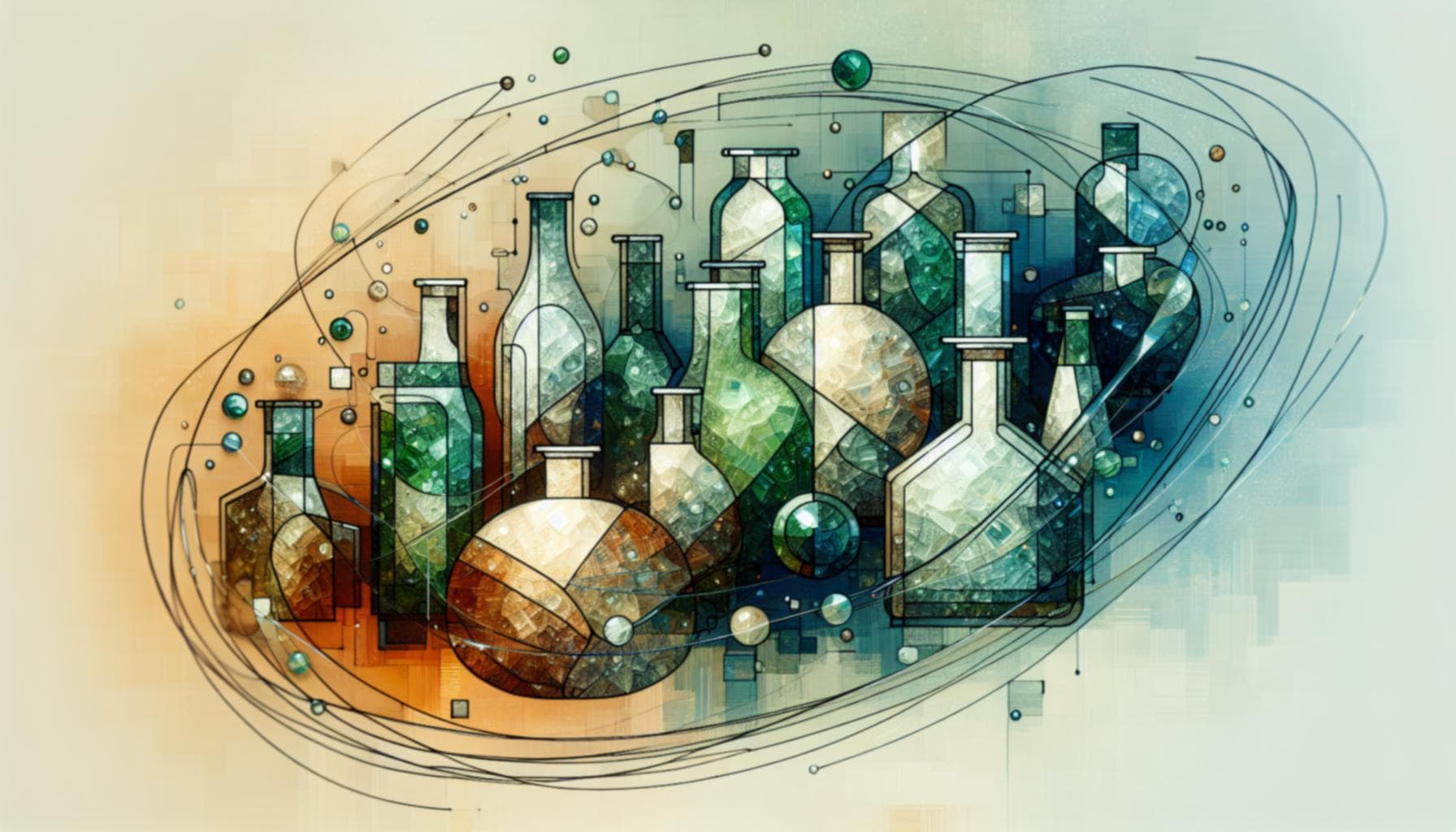
Firozabad, a district in Uttar Pradesh, has long been synonymous with glassware production. Beyond being a major industrial product, glass in Firozabad represents a recycled resource and a creative design medium that defines the district’s cultural and economic identity. This article explores how the city leveraged recycled glass to build a flourishing vintage glassware business, merging tradition with innovation.
Glassware as the District’s Key Product
Under the One District One Product (ODOP) program, glassware has emerged as the flagship manufacturing strength of Firozabad. However, the story of many local business owners transcends typical glass production. It involves reimagining how discarded glass materials can be transformed into appealing products for diverse markets, enhancing both value and sustainability.
Recycling Glass Gives an Advantage
Recycled glass, often referred to as cullet, is central to Firozabad’s glass production ecosystem. Utilizing recycled glass lowers raw material costs and optimizes furnace efficiency, ensuring a stable supply that sustains smaller workshops relying on consistent availability.
Singraj Yadav’s journey illustrates this transformative potential. Arriving in Firozabad in 1971 as a student, he gradually immersed himself in the glass trade, gaining expertise in factory operations and sales. By the 1980s, Yadav was supplying glass products to the Indian Army, marking a pivotal milestone that bolstered his confidence. In 1993, he expanded into exports and secured a significant $75,000 order after months of effort.
By the mid-2000s, Yadav launched a small home-based business integrating recycling with design innovation. Today, some of his specialized product lines are crafted from 100% recycled glass, designed as vintage-style collectibles rather than conventional utility items.
“Recycled glass is not just an economical resource; it fuels design innovation, enabling Firozabad’s artisans to create vintage collectibles with global appeal.”
From Traditional Bottles to Decorative Glass Lines
A turning point occurred when a Delhi retailer highlighted the market potential for vintage-style goods. Inspired by Gangajal, a clear glass type, Yadav expanded his creativity by transforming clear glass into vibrant, colorful objects, launching an entirely new product range.
Over time, he diversified beyond clear glass, incorporating colored glass enhanced with painting, cutting, and metallic finishes to elevate appeal. As the cost of precious metal decorations increased, Yadav pivoted towards emphasizing color blending, innovative shapes, and textured surfaces—adding value while maintaining affordability.
Innovation with Moulds and New Materials
Yadav’s extensive collection of approximately 3,000 moulds enables rapid prototyping in response to customer design submissions. Once samples receive approval, production scales efficiently through batch manufacturing and export scheduling.
Recently, Yadav and his son introduced multi-color products using borosilicate glass after nearly two and a half years of research to master the technique of combining colors within this durable material. These innovative borosilicate items have quickly become some of their best-selling products.
In Firozabad, the fusion of vintage design aesthetics and modern glassmaking innovation continues to thrive. Recycled glass, once discarded, now shapes creative products that reach far beyond the district, sustaining Firozabad’s reputation as a center of excellence in glassware.