









Introduction to Agra’s Marble Craft
Agra’s marble craft stands as a remarkable heritage of fine carving, elegant shapes, and durable finishes. Renowned globally, this timeless tradition blends artistic skill with meticulous craftsmanship, creating statues, decorative pieces, and replicas that captivate collectors and devotees alike. The use of colorful stones and occasionally gold threads further distinguishes this art, making it an integral part of the region’s cultural and economic fabric.
Historical Roots of Marble Craft in Agra
The tradition of marble crafting in Agra spans approximately 400 to 500 years. Over centuries, artisans have refined techniques of carving and inlaying stones, evolving these methods into a distinctive art form. This craftsmanship has been preserved and nurtured through familial and workshop lineages, ensuring the continuity of both technical proficiency and aesthetic sensibility.
The Economic and Cultural Significance
Agra’s marble craft is not only a cultural treasure but also a vital economic driver for the region. The creation of statues representing deities such as Buddha, Shiva, and Krishna requires exceptional attention to detail, including accurate identification, expressive facial features, proportionate forms, and a polished finish that endures over time. These artworks find their way into temples, residences, hotels, and commercial showrooms, underscoring their broad appeal.
“Behind every exquisite marble sculpture lies an interconnected network of stone traders, artisans, and workshops that sustain the livelihoods of countless individuals across Agra.”
This cooperative ecosystem involves stone suppliers, cutting units, tool manufacturers, polishing workshops, and skilled artists working harmoniously to produce these masterpieces.
Skill Development and Training
Rajendra Prasad Uparati, residing in Kedar Nagar, Agra, exemplifies this artisanal tradition. Without formal institutional training, he honed his craftsmanship through a traditional apprenticeship system, beginning with smaller statues alongside his elder brother and gradually advancing to intricate figures. He emphasizes that mastering stone carving demands patience and persistent practice. His dedication was acknowledged through a prestigious state-level award in 2014–15.
The Crafting Process: From Stone to Statue
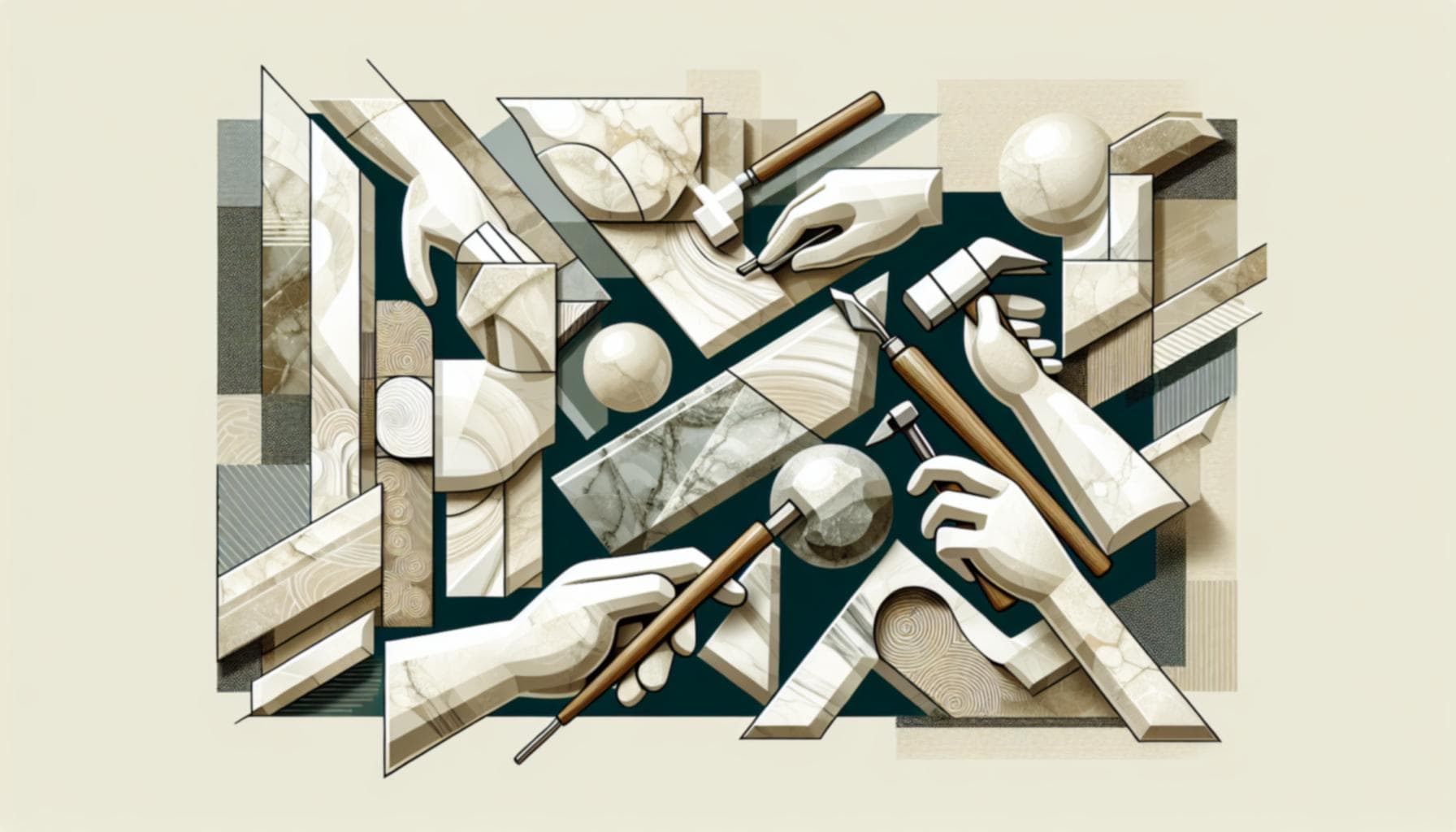
Crafting a marble statue involves several precise stages. Artisans commence by selecting suitable marble blocks from the market. They then perform initial cutting, followed by progressive shaping using chisels and hammers. The carving of facial features stands out as the most labor-intensive step. The process concludes with meticulous sanding and polishing, delivering the statue’s refined and enduring form.
Enhancement through ODOP Recognition
The One District One Product (ODOP) initiative has played a pivotal role in empowering Agra’s marble artisans. Through better access to advanced tools, skill development programs, and increased market recognition, the quality and reach of marble artworks have significantly improved. This support continues to advance the tradition, enabling artisans to sustain their craft amid evolving market demands.