








Introduction
Agra’s marble craft stands as a significant cultural and economic asset, renowned for its intricate artistry and enduring legacy. This traditional craft not only reflects centuries of skilled workmanship but also plays a vital role in sustaining the local economy. Exploring the history, techniques, and market dynamics of Agra’s marble handiwork reveals its lasting impact on artisans and businesses alike.
The Legacy of Marble Craft in Agra
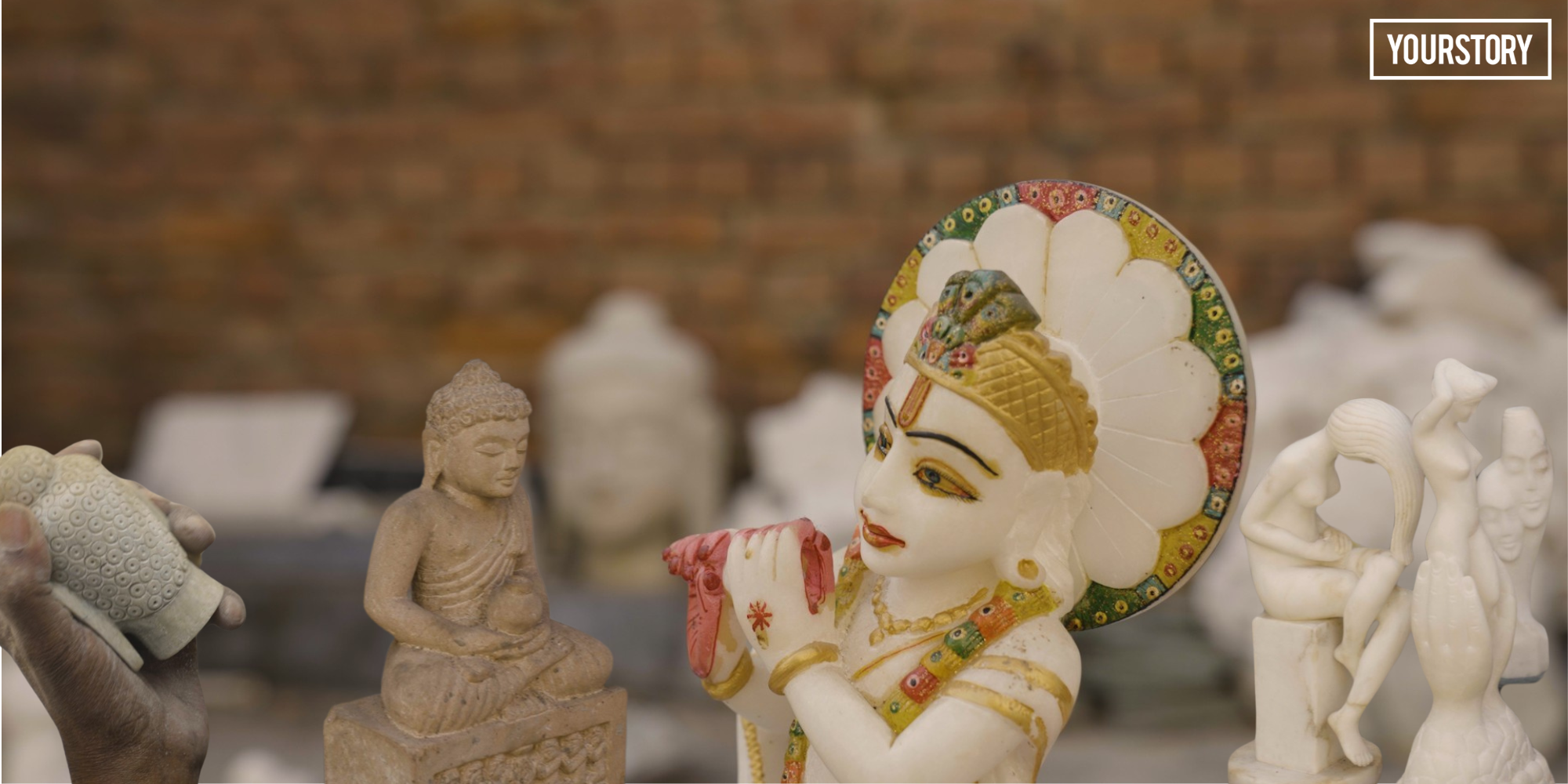
Agra is famed for its exquisite handicrafts crafted from marble and stone. These creations are distinguished by fine inlay work, well-balanced shapes, and durable finishes. Typical products include marble idols, decorative pieces, and artistic replicas that often incorporate colorful stones and occasionally gold wire inlay. This craftsmanship is rooted in a strong and enduring tradition within the region.
A Craft With Deep Roots
Marble work in Agra traces back approximately 400 to 500 years. The region developed specialized skills in stone carving and inlay that evolved into well-established crafts. These skills have been meticulously handed down through generations, with families and workshops training new artisans. Present-day craftsmen continue to employ traditional methods, preserving the unique artistic style of the area.
Global Fame and Local Economy
Agra’s marble heritage enjoys worldwide recognition. The craft significantly contributes to the local economy, especially through stone sculptures representing figures such as Buddha, Shiva, and Krishna. Buyers prefer sculptures that are immediately identifiable, prompting artisans to focus on details including facial features and proportional accuracy. Additionally, ensuring a long-lasting finish remains a priority. These sculptures find their way to temples, home prayer rooms, hotels, and specialized showrooms throughout India and internationally.
A Connected Supply Chain
The creation of each marble piece relies on a coordinated network comprising stone traders, cutting shops, tool makers, polishing workshops, and artisans. This interconnected supply chain sustains numerous employment opportunities across the district.
Learning Through Apprenticeship
Rajendra Prasad Uprati, an artisan from Kedarnagar, Agra, exemplifies the continuation of this craft tradition. His journey began as an apprentice assisting his older brother with small idols and progressed to crafting more complex sculptures. According to Rajendra, stone carving demands patience, discipline, and years of dedicated practice. His craftsmanship was recognized with a state-level award in 2014–15.
Crafting a Sculpture
The sculpting process begins with selecting appropriate marble blocks from local markets. Workshops perform the initial rough cutting, followed by artisans shaping the stone carefully with chisels and hammers. Multiple stages of sanding and refinement are undertaken, with the facial features requiring the most precise attention. The final polishing step enhances definition and ensures durability.
“Stone carving needs patience, discipline, and many years of practice,” emphasizes Rajendra Prasad Uprati, highlighting the dedication behind Agra’s marble artistry.
Support Through ODOP
Agra’s marble artisans have benefited from the One District One Product (ODOP) program, which provides access to improved tools, training, and increased market visibility. These supports have elevated the quality of finishes and expanded the artisans’ reach to buyers. The marble craft in Agra continues to thrive, driven by skilled hands and inherited knowledge that balance respect for cultural heritage with the demands of the modern marketplace.